
What Ian really wanted to do was to go on a long cruise. Four to six weeks. The Diary Queen had other ideas though, and eventually a compromise was reached. Just under four weeks, with leave of absence for me on 6th October to go to the dentist, babysit Ali, and go to book group. It would mean getting the train to Newcastle on 5th October and returning to the boat on 7th October.
There followed a protracted period of research, consulting the waterways guides, railway routes, places we could moor, and places that would be nice to visit. Lincoln won. We hadn’t been there before, and it had the added advantage that getting there would involve going on the tidal part of the River Trent, something with which we were unfamiliar and which would therefore carry a moderate probability of disaster in some form or other, and which was thus a suitable challenge.
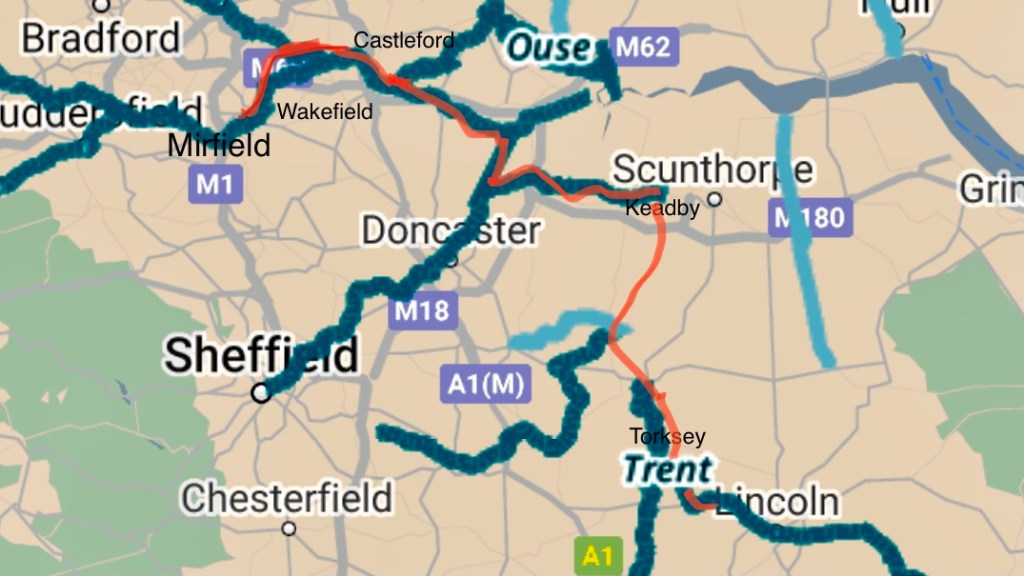
The route was east from Mirfield on the Calder and Hebble Navigation. At Fall Ing Lock, just past Wakefield, we joined the Aire and Calder Navigation, and at Castleford, a long stretch on the River Aire took us to Knottingley. Here the river leaves the Navigation, which we followed south east along New Fleet Drain as far as Southfield Junction. A sharp right turn then took us onto the South Yorkshire Navigations, and down New Junction Canal to Bramwith Junction. Here we turned left onto the Stainforth and Keadby Canal, and on to the River Trent as far as Torksey, where we left the Trent for the Fossdyke Navigation to Lincoln.
Monday 20th September & Tuesday 21st September
Mirfield to Horbury Bridge
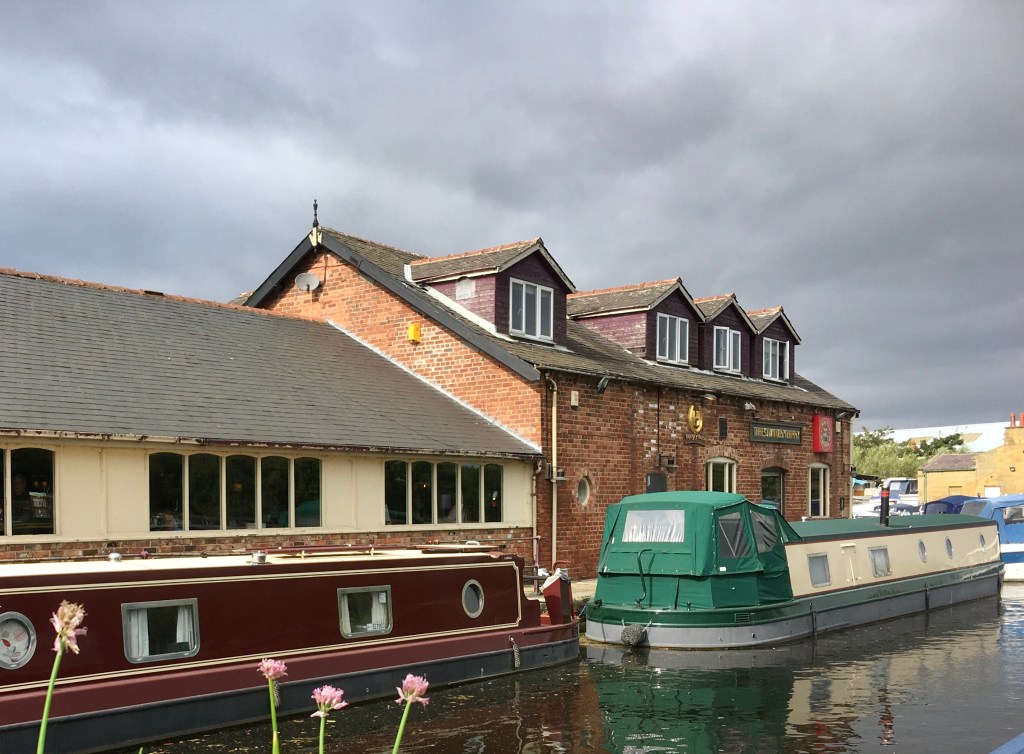
We arrived in Mirfield at lunchtime and got into semi-holiday mode with lunch at Cupushi’s, overlooking the River Calder. Unlike some of the local pubs, which seem to cater only for people with abnormally large appetites, Cupushi serves well-presented, balanced light meals using locally-sourced ingredients, including produce from the allotment of our marina neighbour, Andy.
The marina owner, the other Andy, was interested in our plans. He gave us valuable advice about approaching the locks on the tidal river, and contacting the lock-keepers in advance.
We set off the next morning, with happy anticipation on Ian’s part, and some trepidation on mine, on the now-familiar Calder & Hebble Navigation.
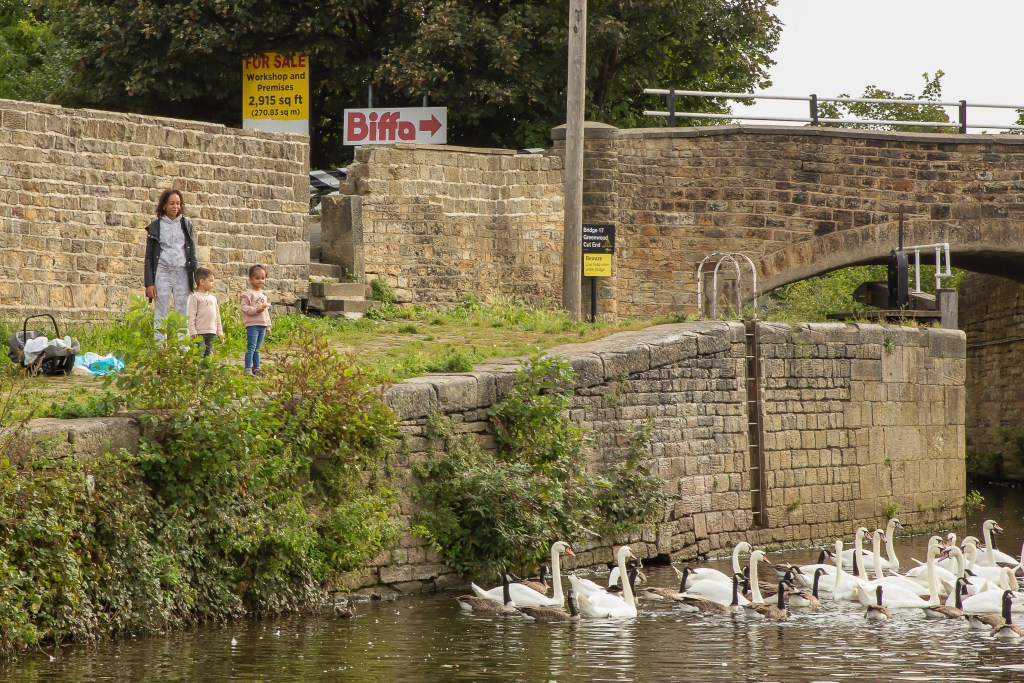

At Millbank Bridge Lock, a man walking his dogs told me that there used to be a lock-keeper’s house there. The lock-keeper had a busy life opening the lock for the coal barges to pass through on their way to the nearby power station.
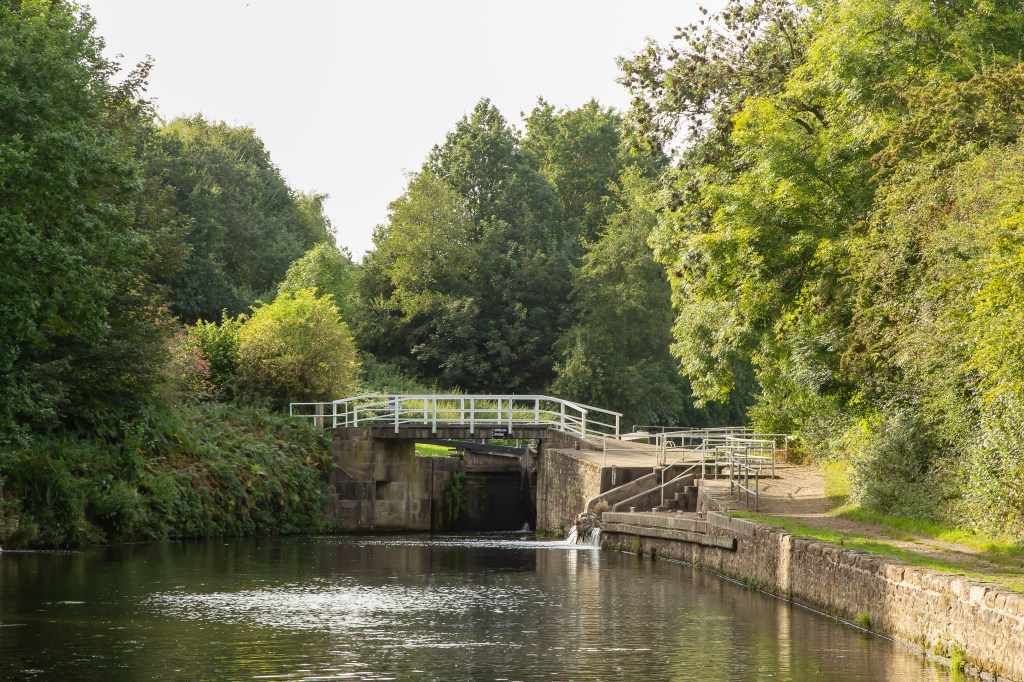
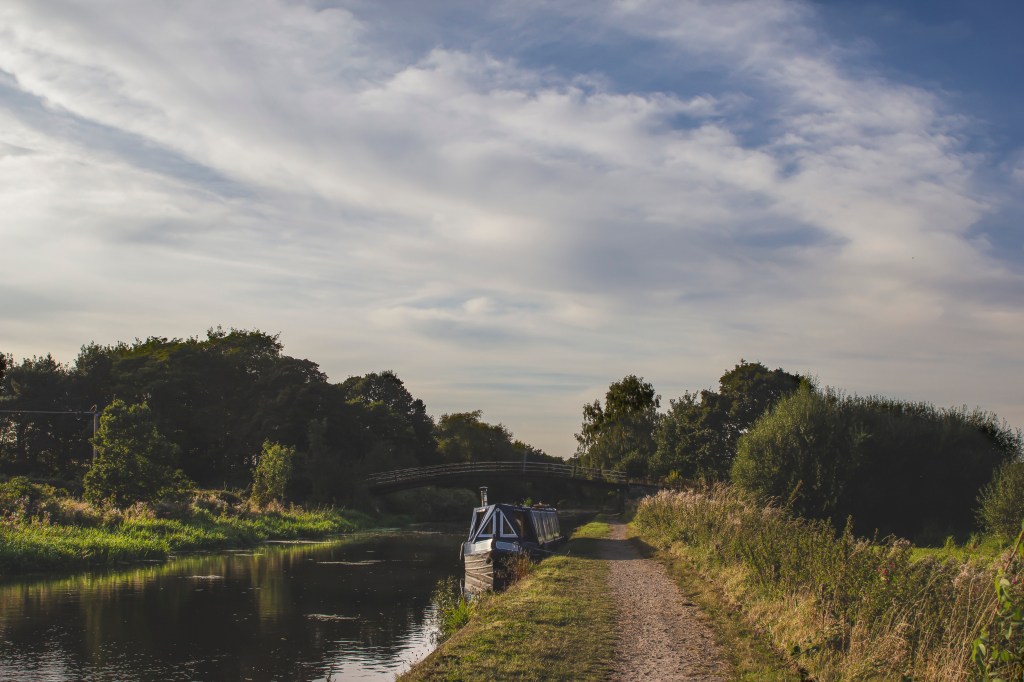
Our first overnight stop was at the Strands, just east of Horbury.
Wednesday 22nd September
Horbury Bridge to Wakefield
The morning was fine with a slight haze over the fields.
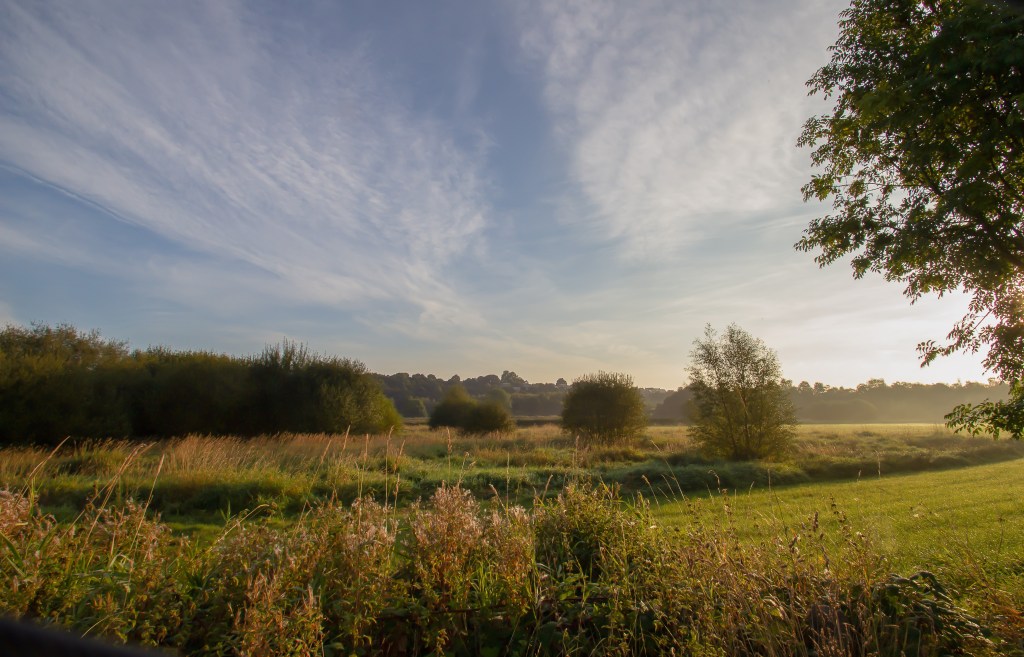
At Broad Cut Low Lock, the navigation re-joins the River Calder for a while.

The river narrowed as we approached Thorne Flood Lock.
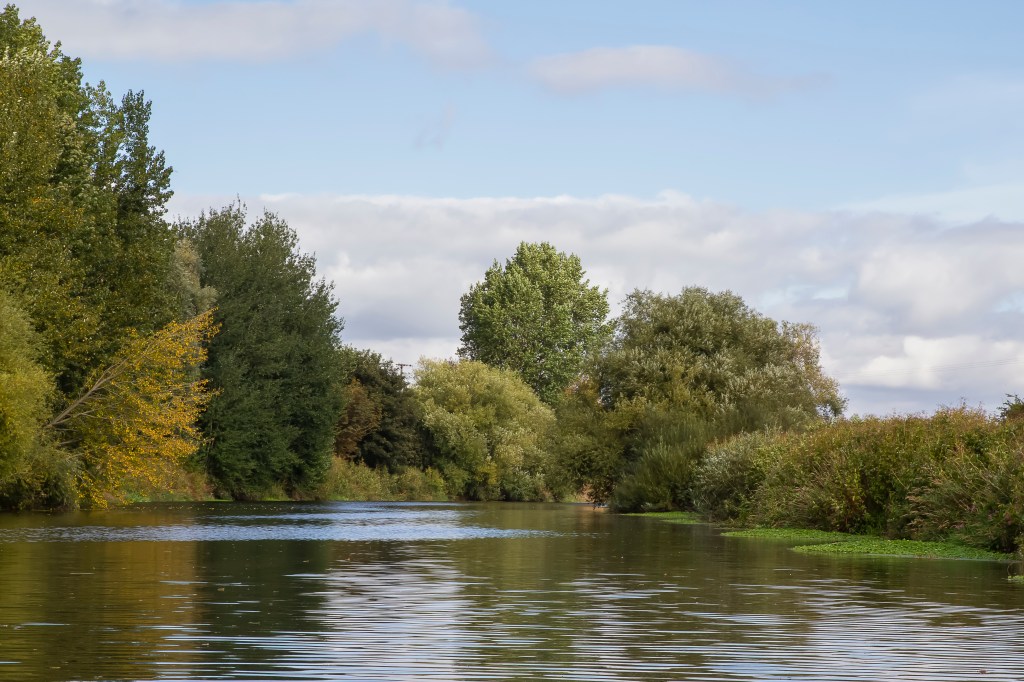

But the weather had changed as we approached Wakefield.
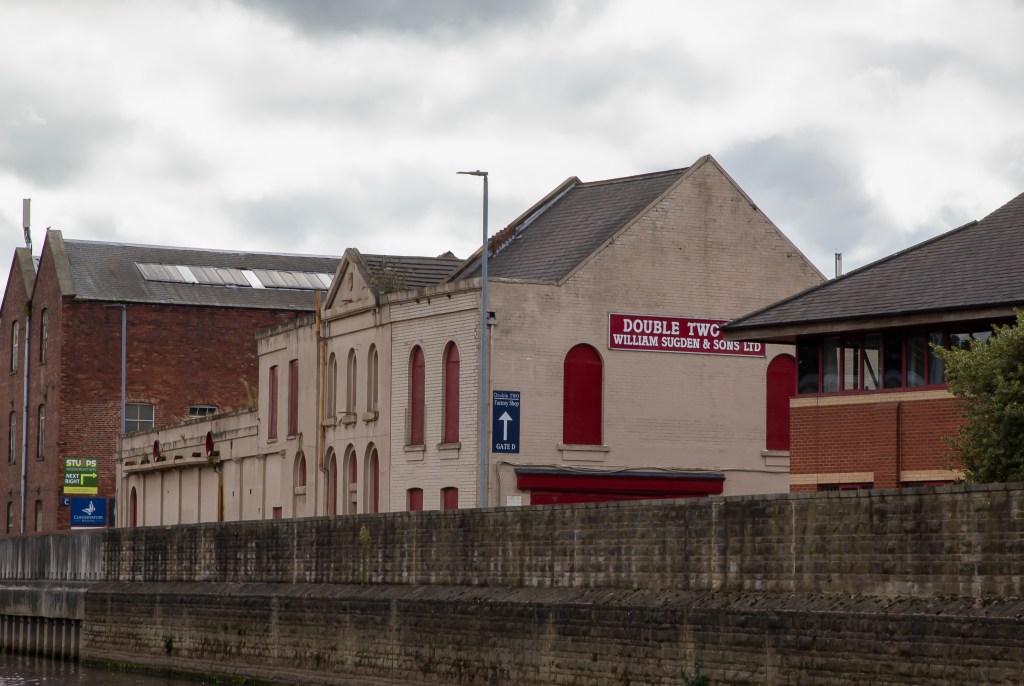
William Sugden & Sons was taken over by Double Two in 1968 to expand their shirt-making business into workwear. More about the history of Double Two here.
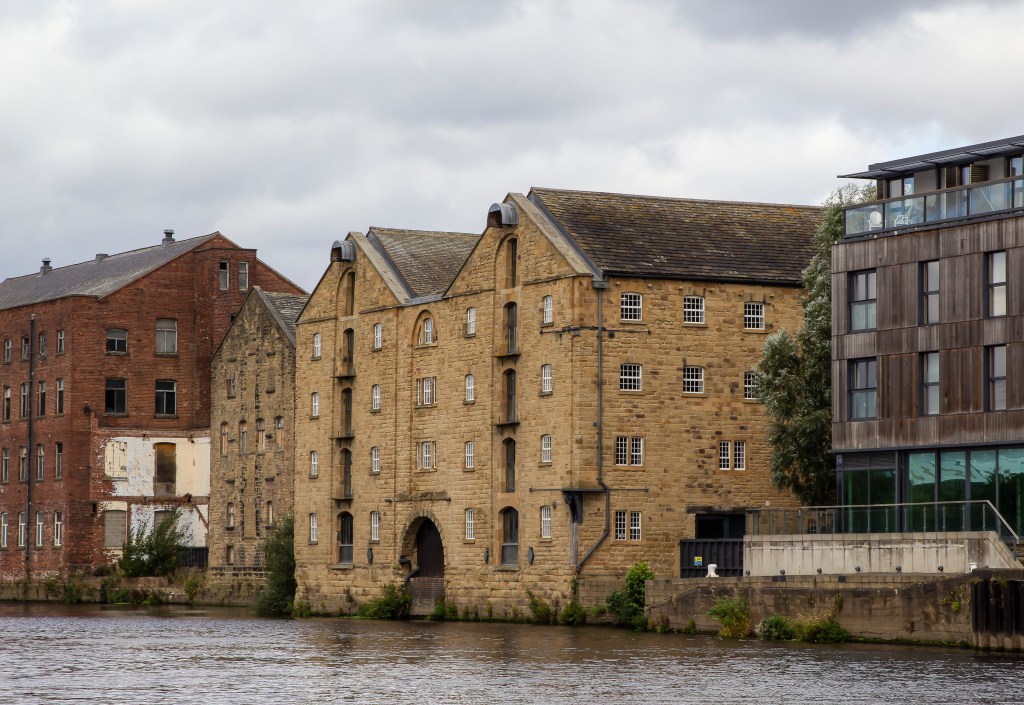
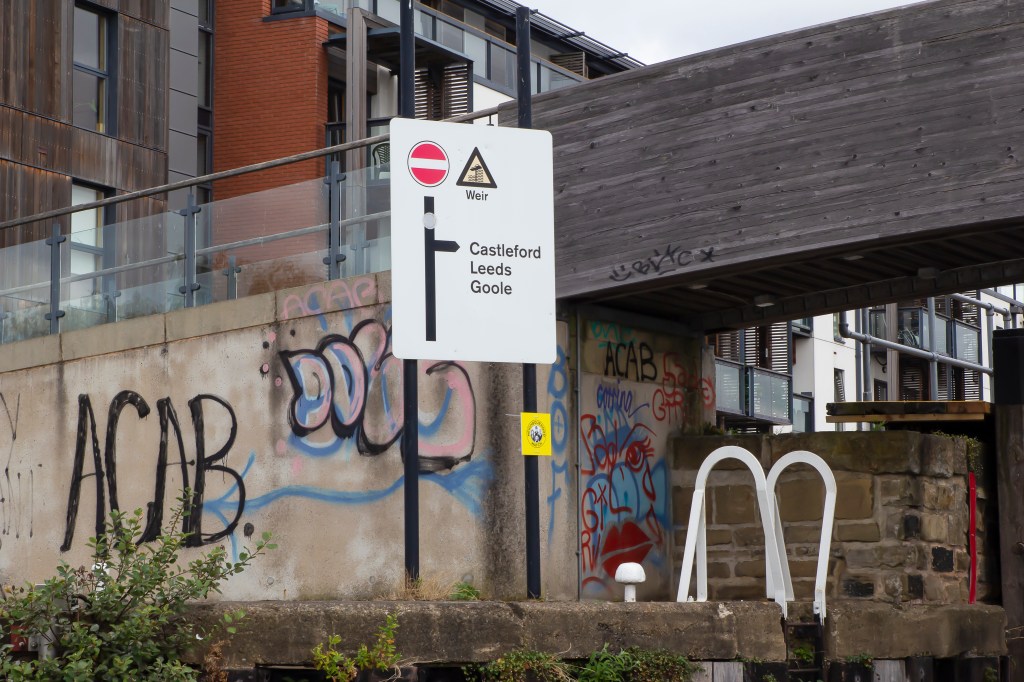
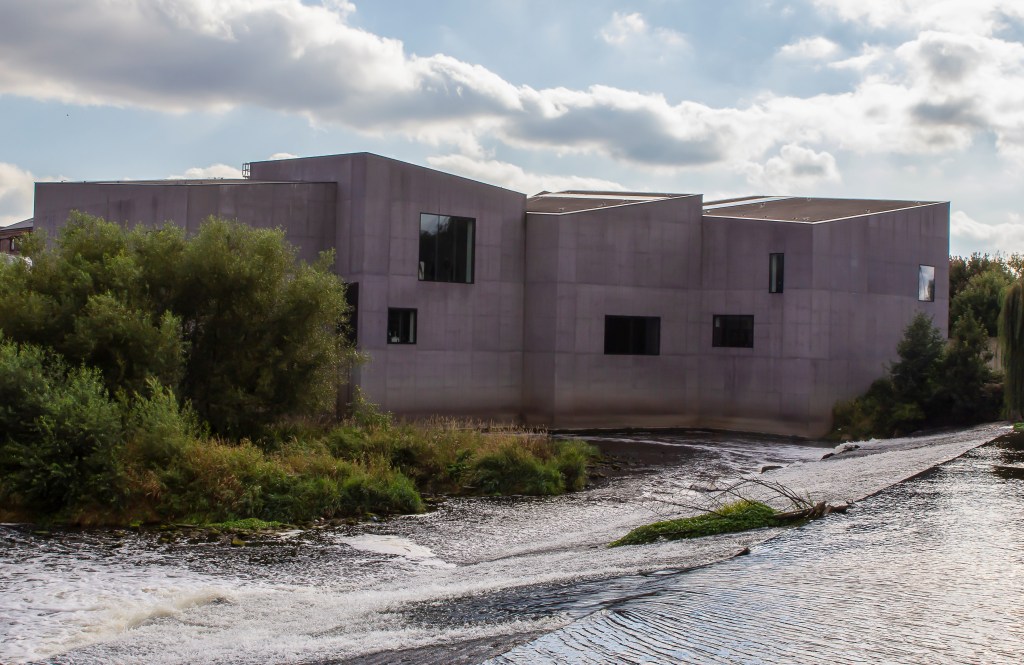
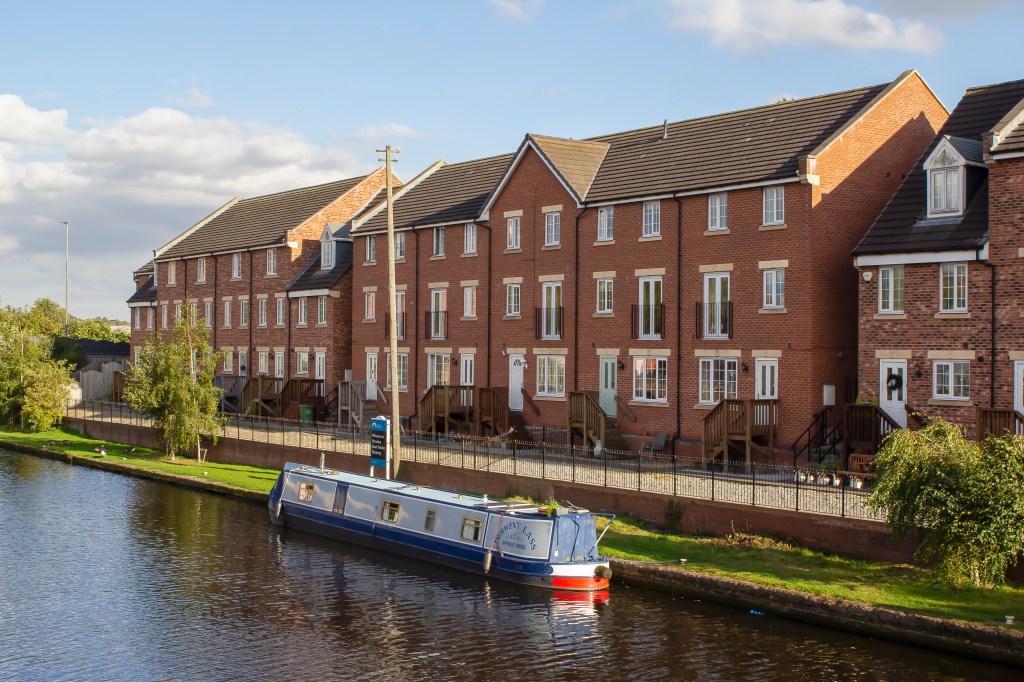
We stopped at Wakefield and had a late lunch on Derwent Lass before setting off to explore. The stunning Hepworth Gallery is situated on the bank of the River Calder, on the south side of the city.
Sadly, Wakefield seemed a bit dreary. Our route from the canal to the old, interesting parts took us along the busy A61 dual carriageway, through a litter-strewn shopping centre with a preponderance of beauty salons and tattoo parlours, and gangs of shouty young men, before we reached the area of the cathedral, where the council had clearly been making an effort with paving and tree-planting. Just as we reached the cathedral doors, a priest came out and locked them. It was 4 o’clock.
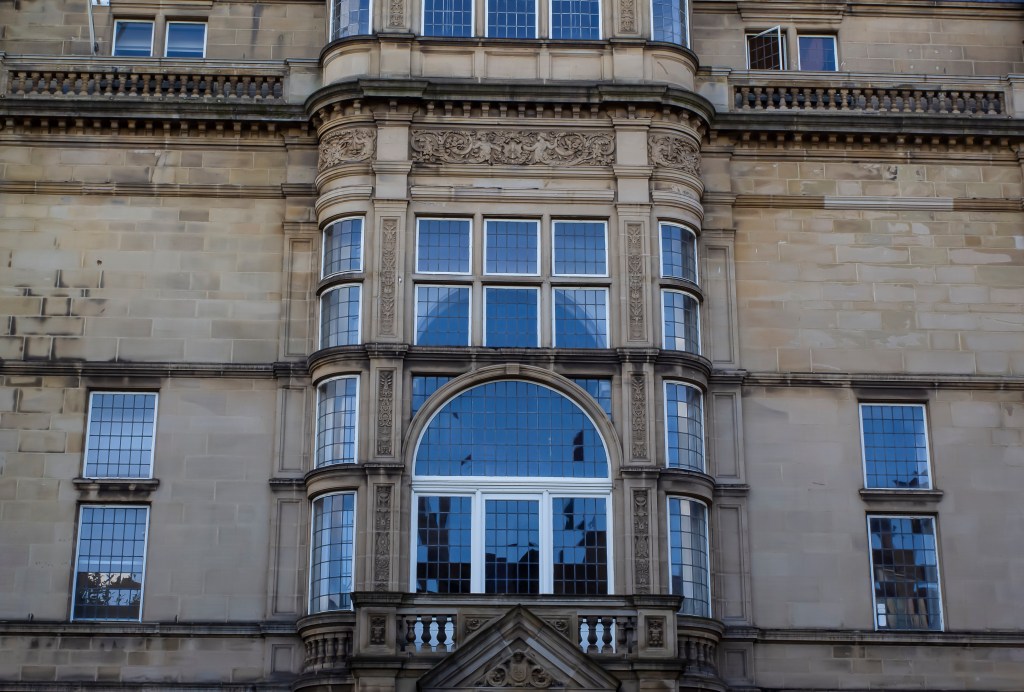
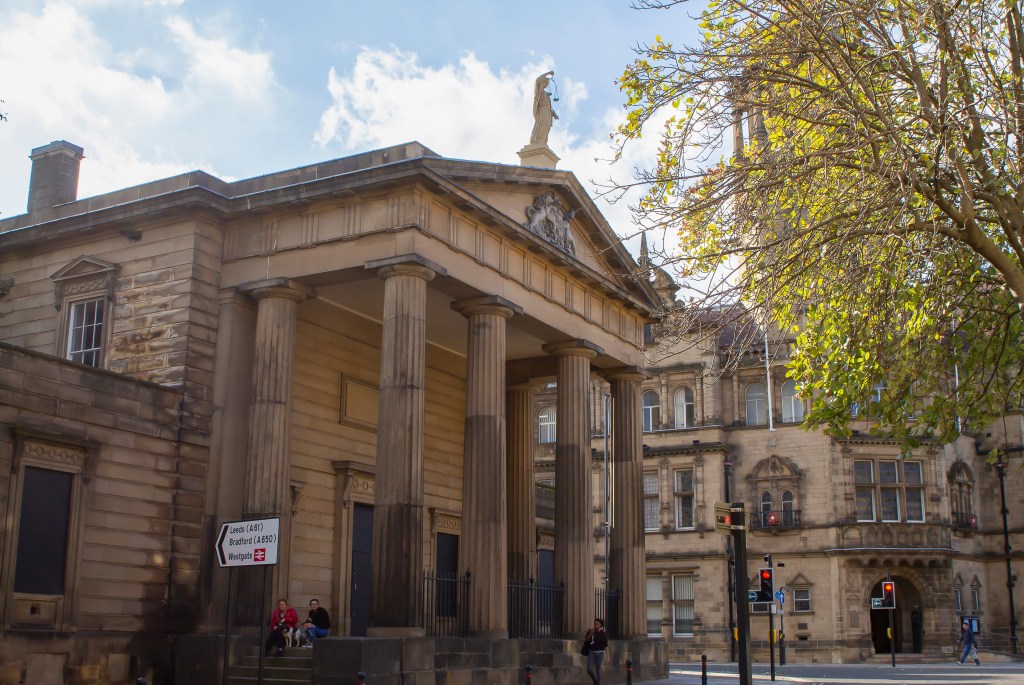
But there were still Victorian buildings to see, relics of Wakefield’s properous past and status as the seat of the West Riding County Council until 1974.
Thursday 23rd September
Wakefield to Castleford
The navigation forms a short cut south of Wakefield and ends at Fall Ing Lock. From this point, we were on the Aire and Calder Navigation. It’s a quite dramatic drop from the cut back into the River Calder.

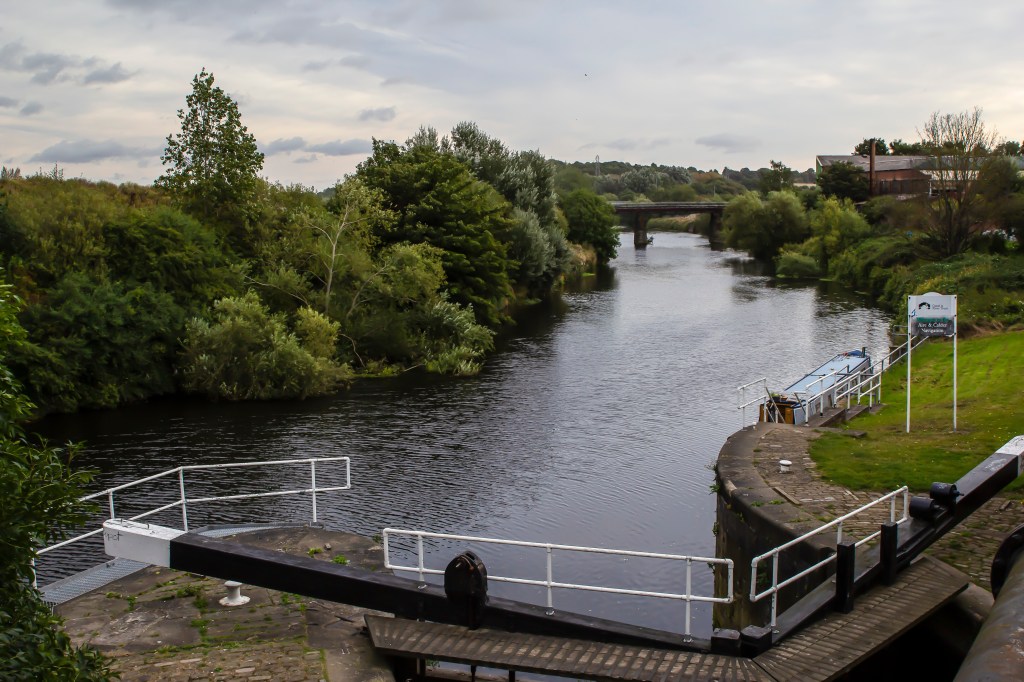
It’s only a short distance to Broad Reach Lock, where the river starts to twist and turn, and the navigation takes a straight line north instead. At Stanley Ferry, there are two aqueducts taking the navigation over the river.
We stopped before the aqueduct for lunch at the Stanley Ferry pub. where there was a section on the menu ‘Golden Years – for our over 60’s’, which somehow seemed very slightly patronising, but the good food and the friendly service more than compensated.
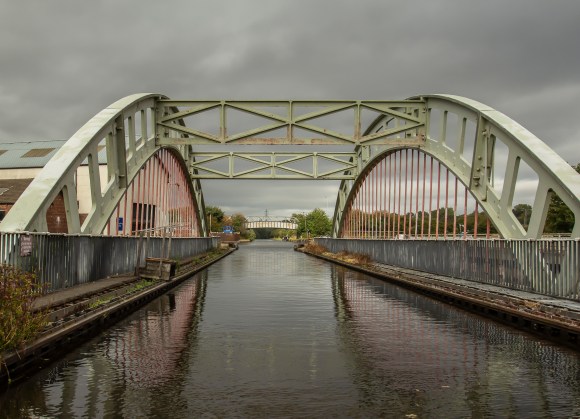
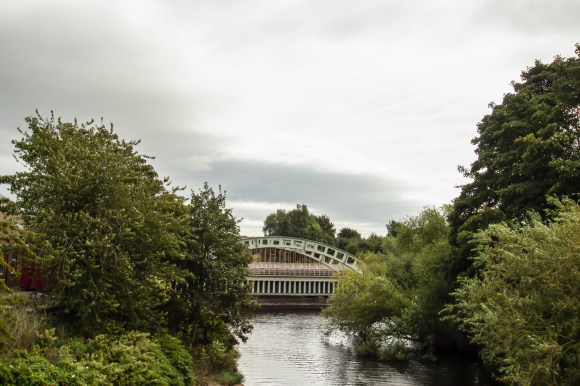
The aqueduct dates back to 1839 and consists of a trough suspended from a two-pin cast-iron arch. The same principle was used in the construction of the Sydney Harbour Bridge nearly 100 years later. We moored up at Castleford.
Friday 24th September
Castleford to Pollington Lock
The mooring was only a short walk from the town centre, so we decided to have a look at the famour weir and explore the town.
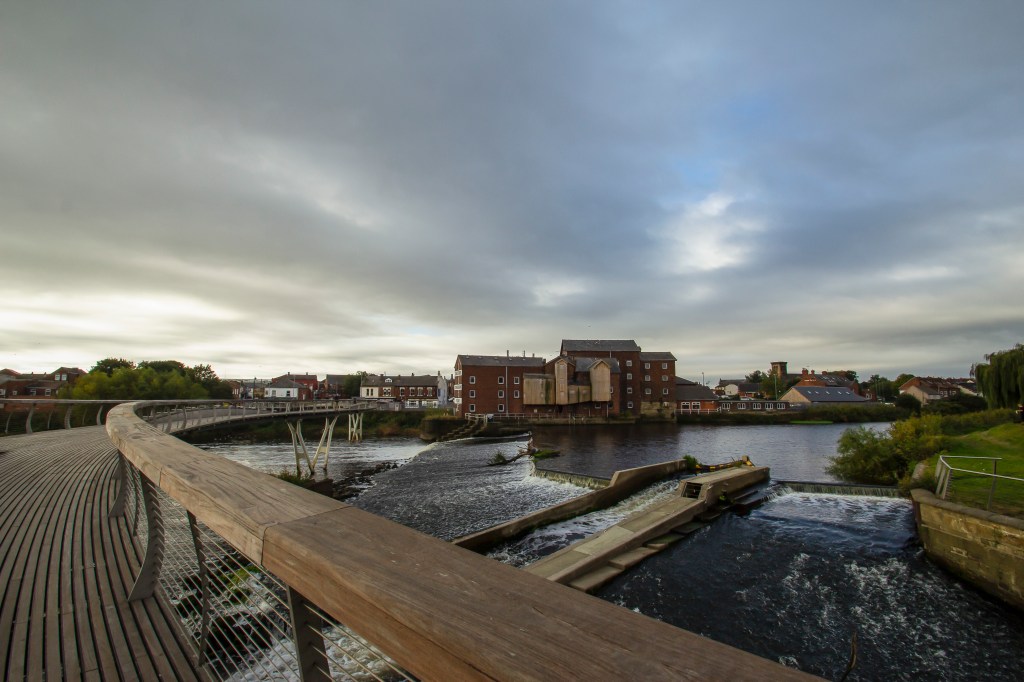
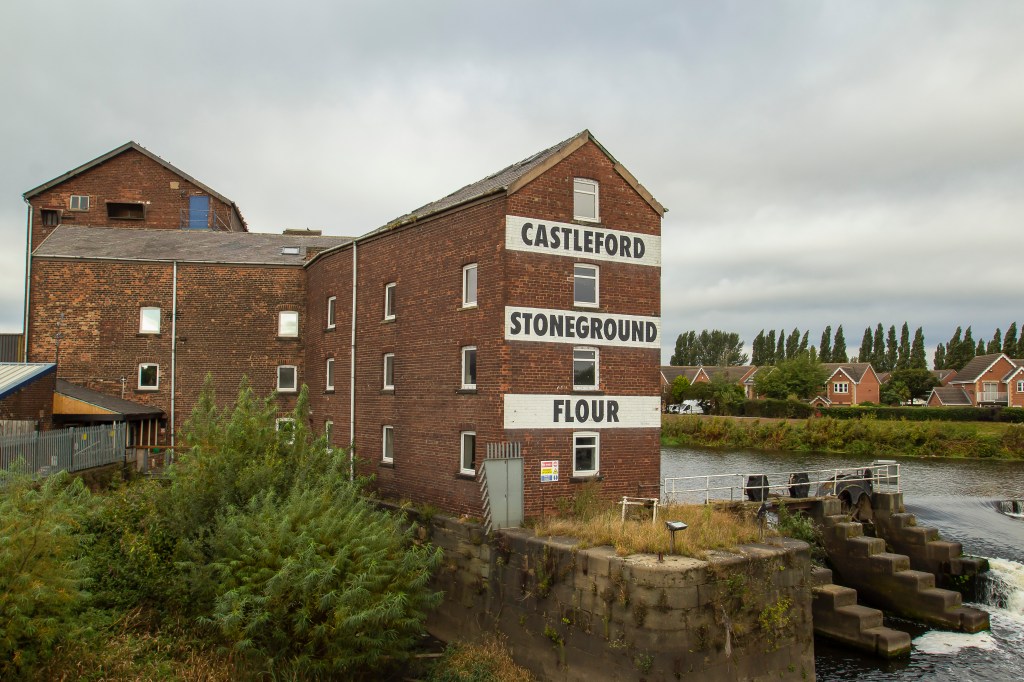
Castleford Mill was built in 1898 and was originally called Queen’s Mill. In 1921 Dr Thomas Allinson was developing ideas of healthy eating, in particular the benefits of wholemeal stoneground flour. The family bought the mill, and it became the largest stoneground flour mill in the world.
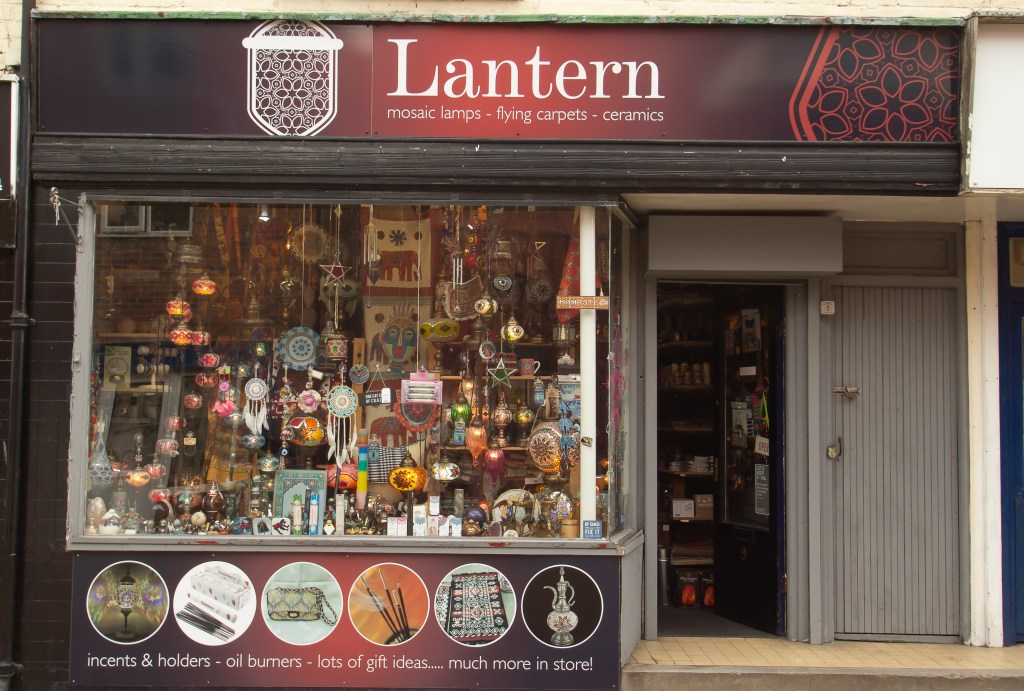
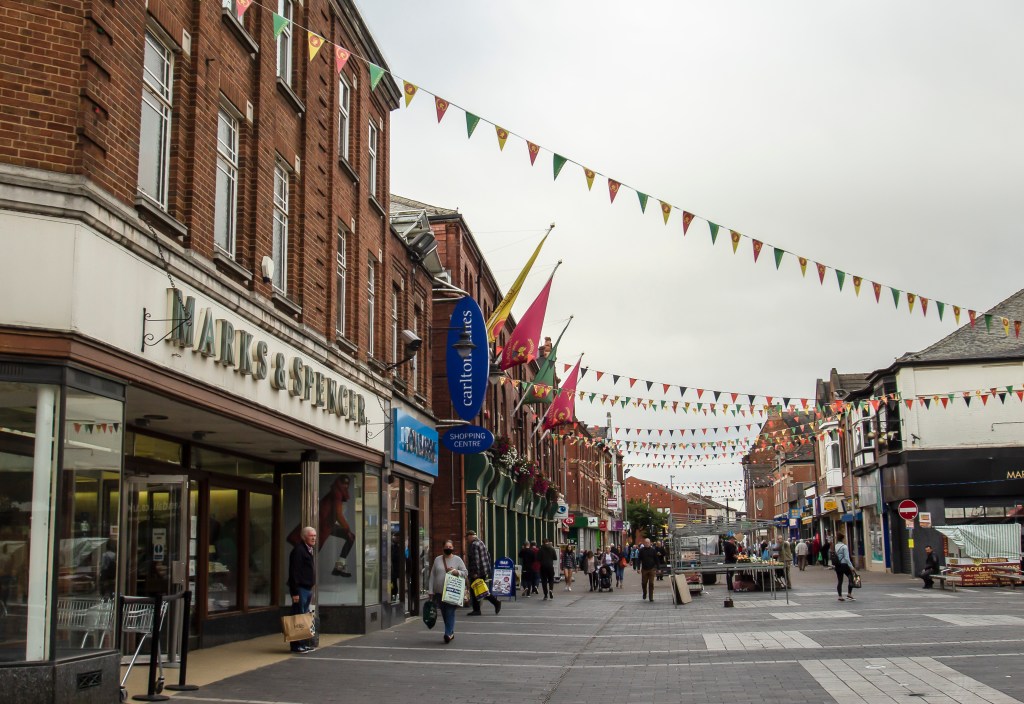
Castleford Market Place, complete with Marks and Spencer, so much more dignified than the trying-to-be-with-it-and-not-really-succeeding ‘M&S’.
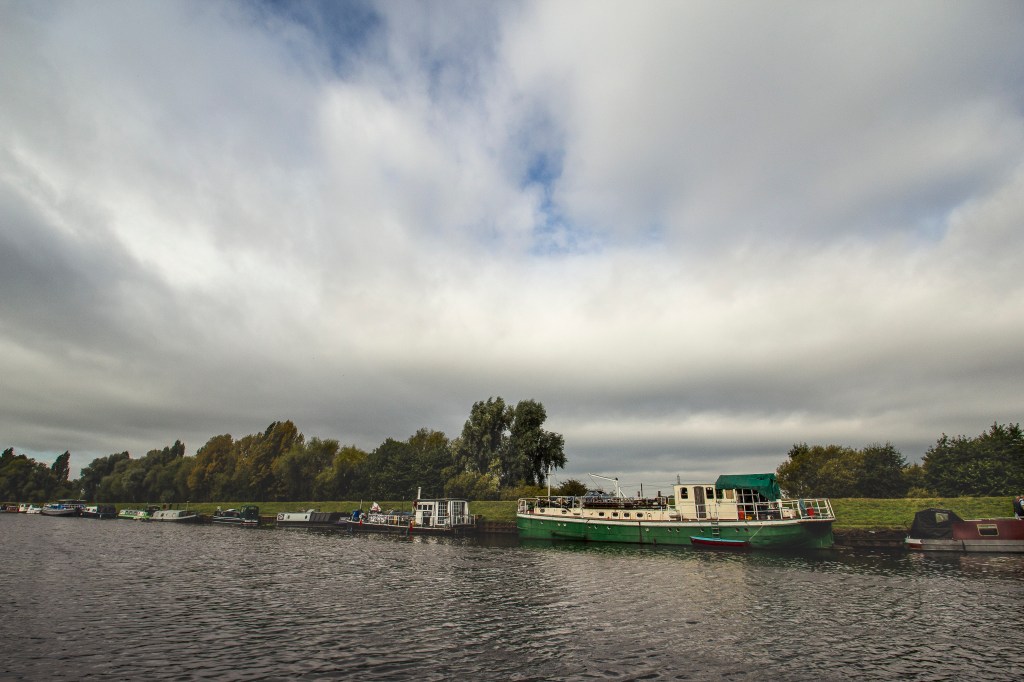
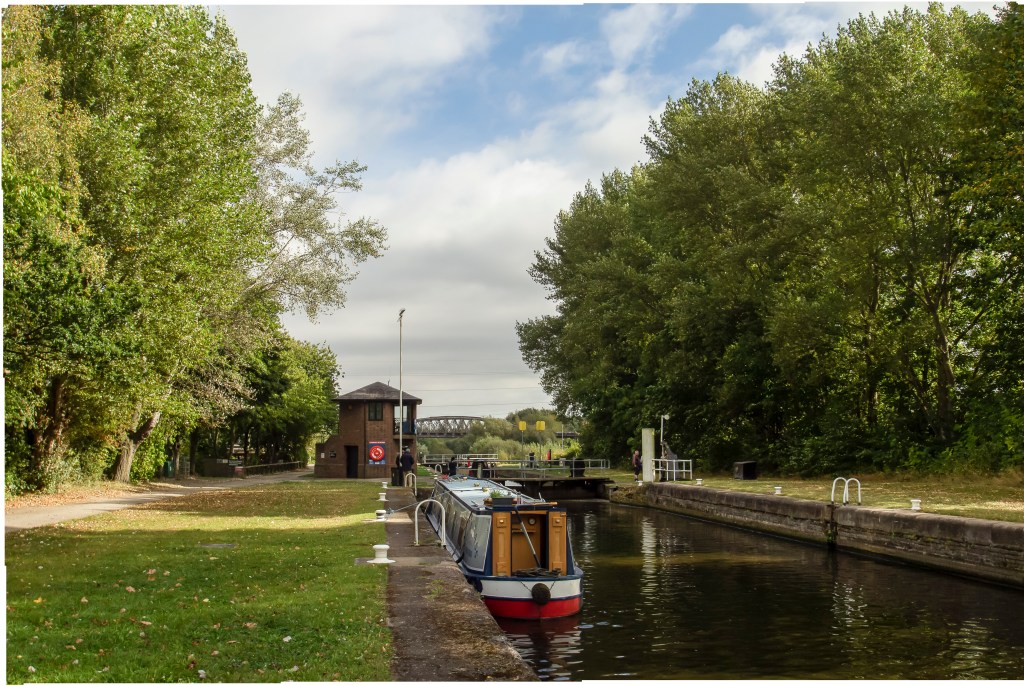
We set off towards Knottingley, only to find that a boat was stuck in Bulholme Lock. One of the sluices wouldn’t open, which meant that the lock wouldn’t fill. It wasn’t a matter of applying brute force to the mechanism because on the Aire and Calder, the locks are electrically controlled. As well as the boat in the lock, there were two boats waiting to go downriver and one to come up.
The Canal & River Trust were summoned. They had a cunning plan. They couldn’t do anything about the electrics, but suggested we could use the adjacent flood lock to fill the normal one. Eventually we were on our way.
We were passing through the West Yorkshire Coalfield. Now large areas that were mined in the past are designated as nature reserves and wetlands.
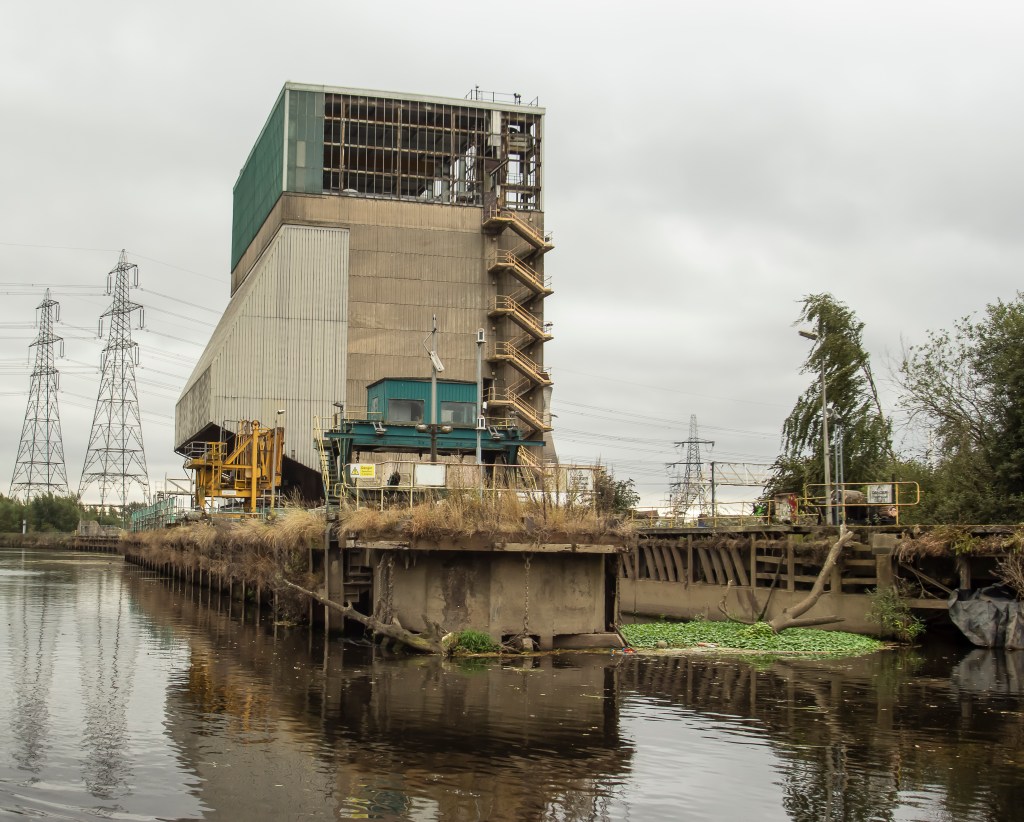

Beyond Whitley Lock, we were into the New Fleet Drain section of the A & C – a long, straight waterway through flat terrain with extensive views either side.
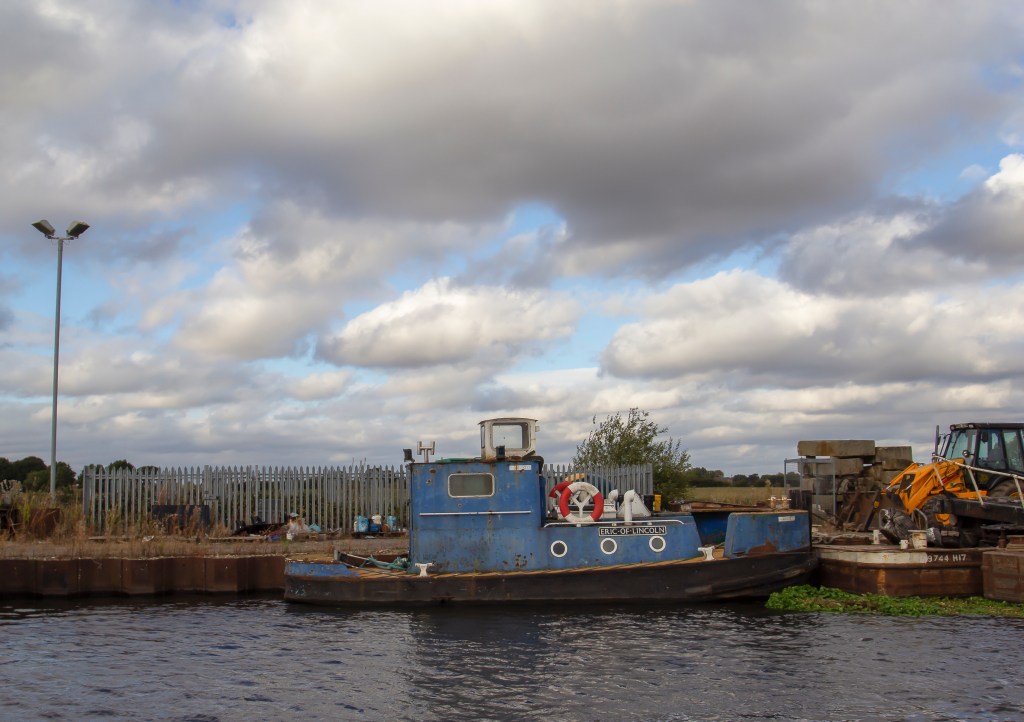
The Aire & Calder carries commercial traffic and this boat caught my eye, named after Eric of Lincoln who according to legend, rather foolishly challenged Little John to a fight at Nottingham Fair, and came off worse.
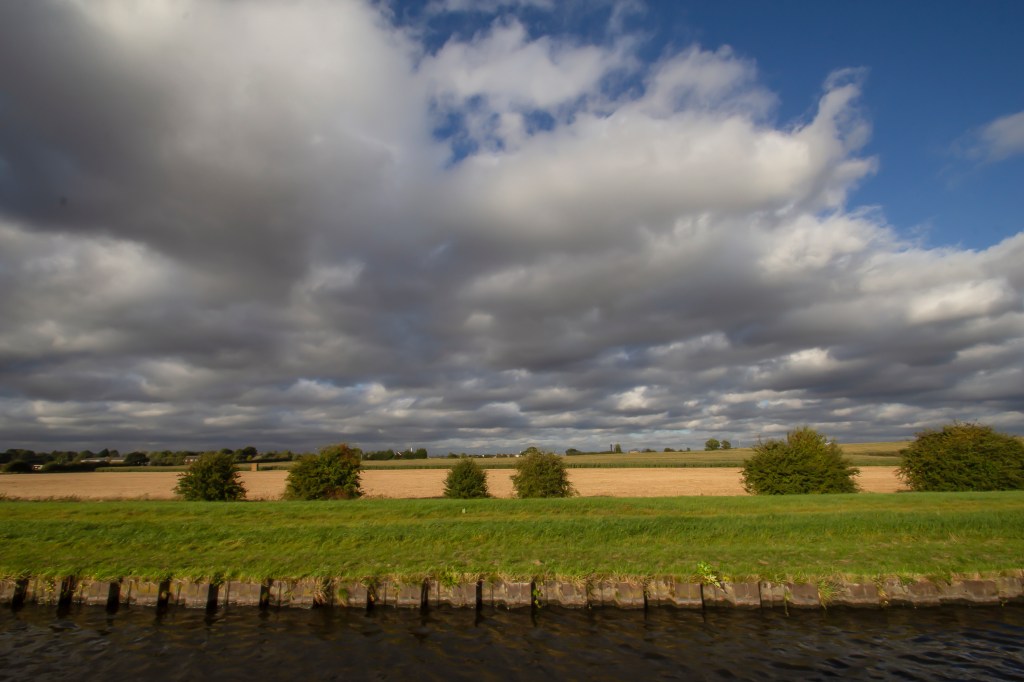
We came through Pollington Lock with another boat, not a narrowboat, but a motor cruiser which would not have looked out of place in Florida. The crew was glamorously attired in what appeared to be designer sunglasses and a long white shirt over a bikini. I, meanwhile, had on leggings under my jeans, two thermal vests, a thick sweater, a waterproof coat and a knitted bobble-hat. I couldn’t help observing that the captain of the other boat addressed his requests to his crew in a pleasant, encouraging tone, rather different from the peremptory instructions which are sometimes directed my way.
Saturday September 25
Pollington Lock to Barnby Dun
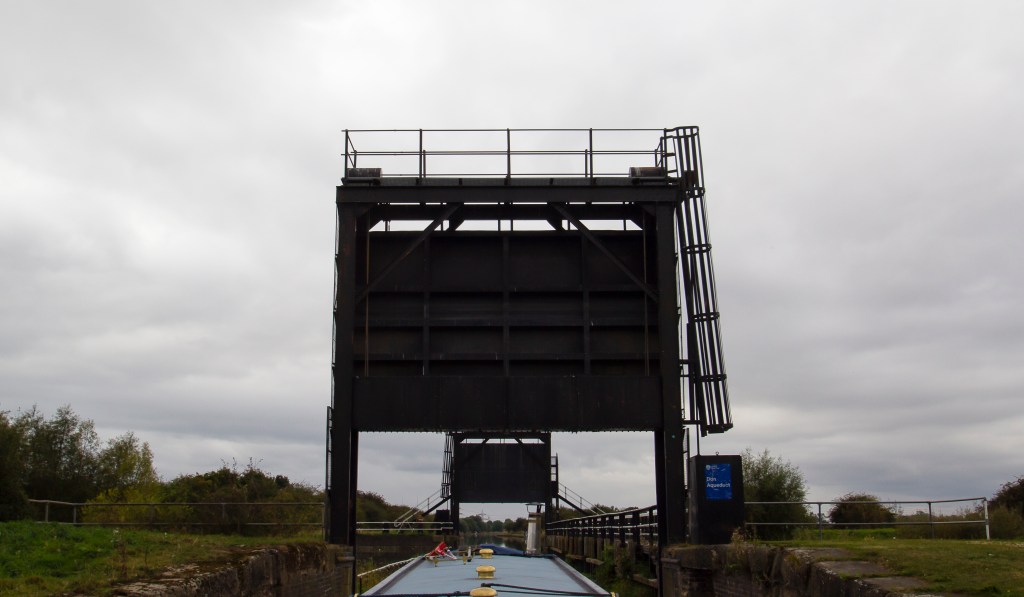
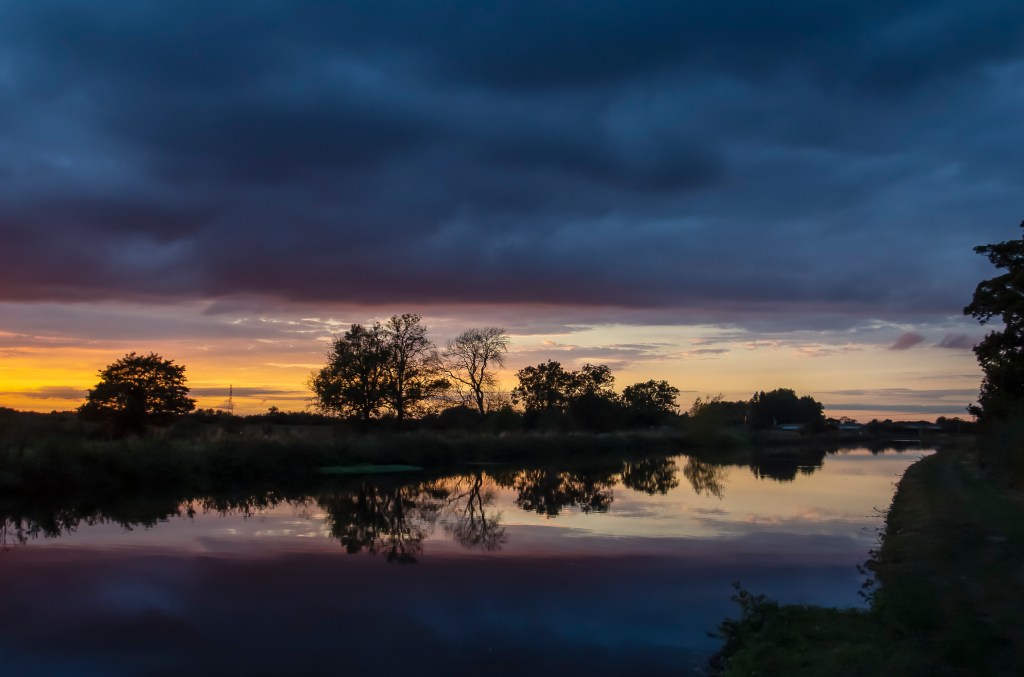
A couple of miles beyond Pollington Lock, where we had moored, we took a sharp right onto the New Junction Canal, part of the South Yorkshire Navigations and the last canal to be built in England, another long, straight cut heading towards Doncaster. Shortly before Barnby Dun, where we moored for the night, we crossed the Don Aqueduct with its foreboding guillotine gates.
Sunday September 26
Barnby Dun to Stainforth
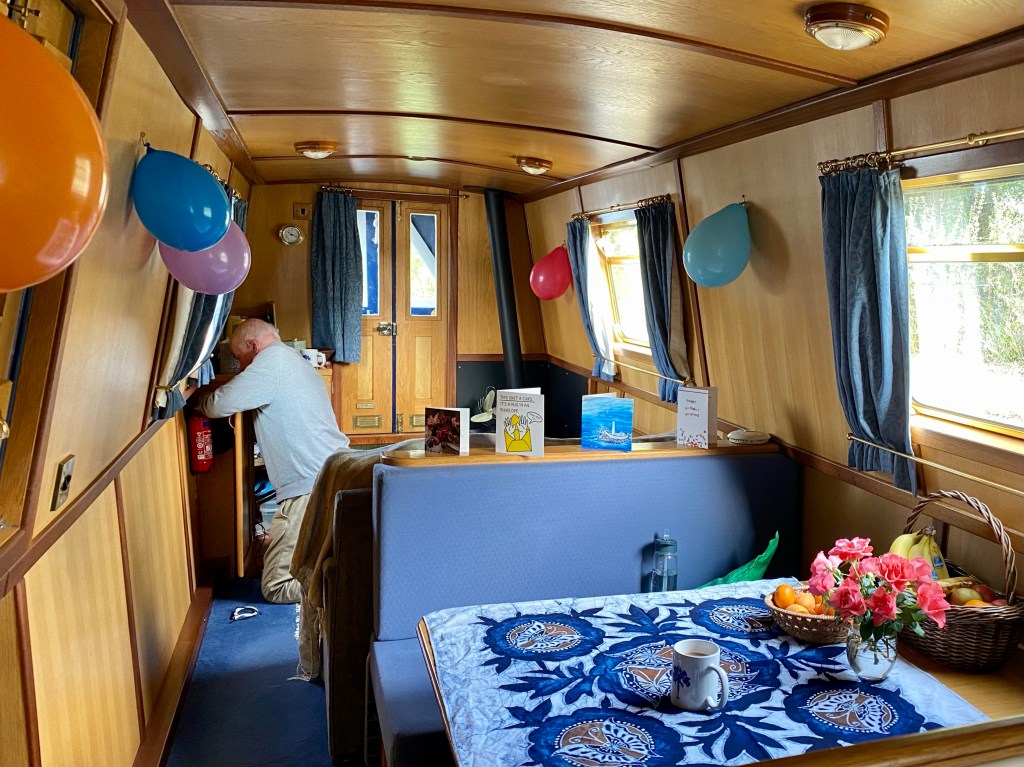
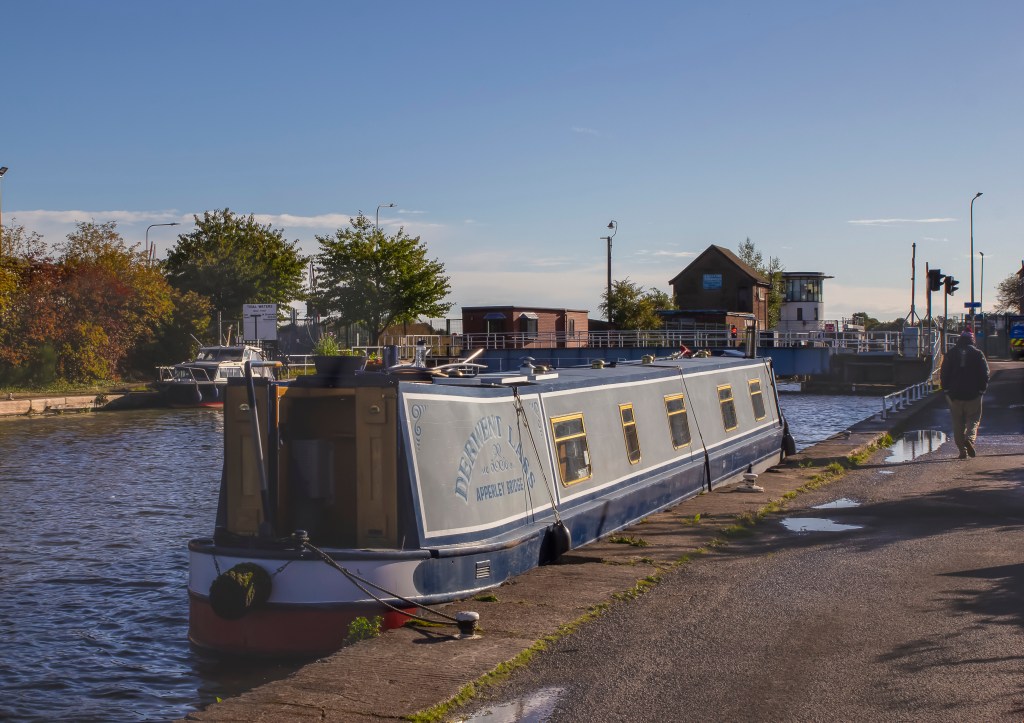
My birthday! A beautiful sunny morning, and as well as birthday cards and presents, Ian even decorated Derwent Lass.
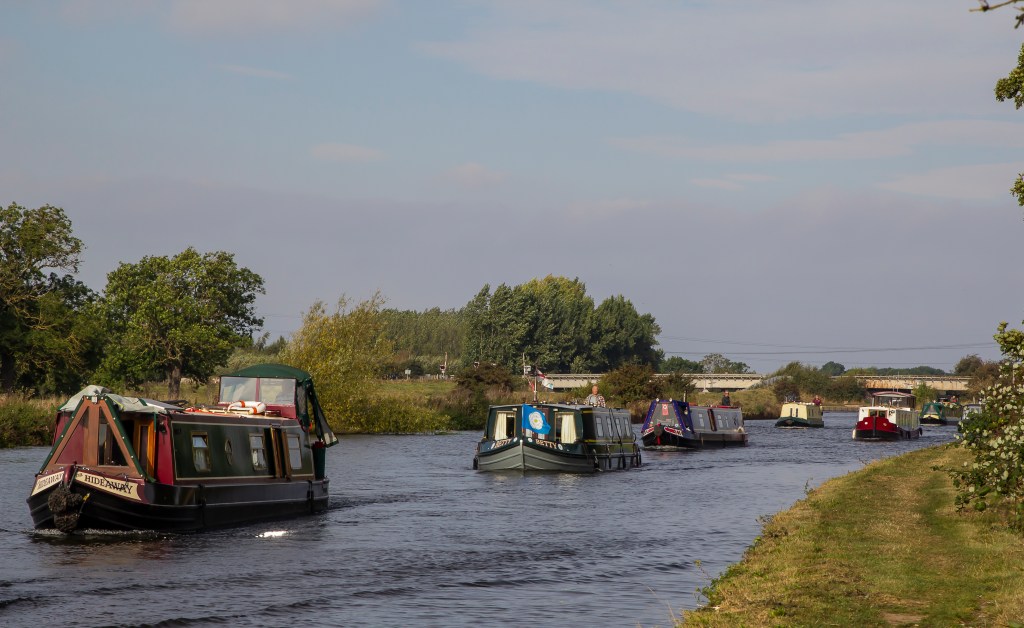
As we were about to leave Barnby Dun, a flotilla of narrowboats appeared from the north. They had been off for a weekend jolly and were making their way back to Strawberry Island Boat Club, near Doncaster.

We had to turn around at Barnby Dun, and go back north a short distance to turn right at Bramwith Junction onto the Stainforth and Keadby Canal – the last leg before we reached the River Trent.
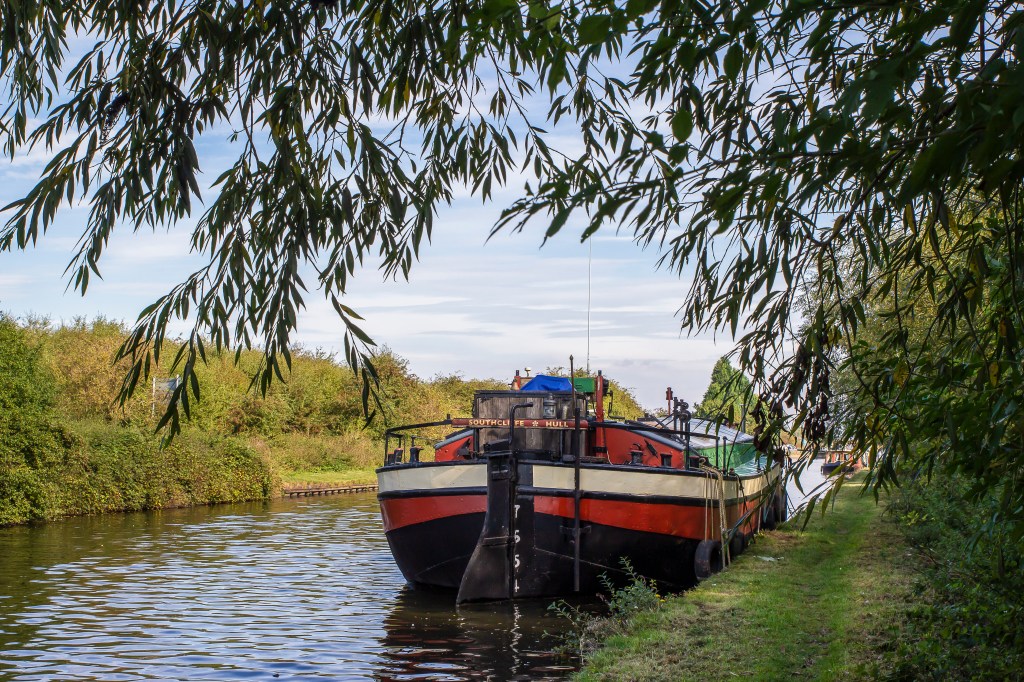
Not far from the junction was a beautiful old boat, Southcliffe, which is mentioned on the National Historic Ships register. She was built in 1923 by Richard Dunston of Thorne and was originally a sailing vessel, not having an engine fitted until 1940.
As I was admiring it, some people walking past told me that it is now used for taking children from deprived areas out for day trips.

Monday September 27
Stainforth to Godnow
As predicted, the week started with a heavy downpour, so the morning was spent doing little jobs. After lunch we were able to move on, but were beset with high winds and swing bridges that wouldn’t work, necessitating another call to the C &R Trust, though this time we managed to get things going without their assistance.
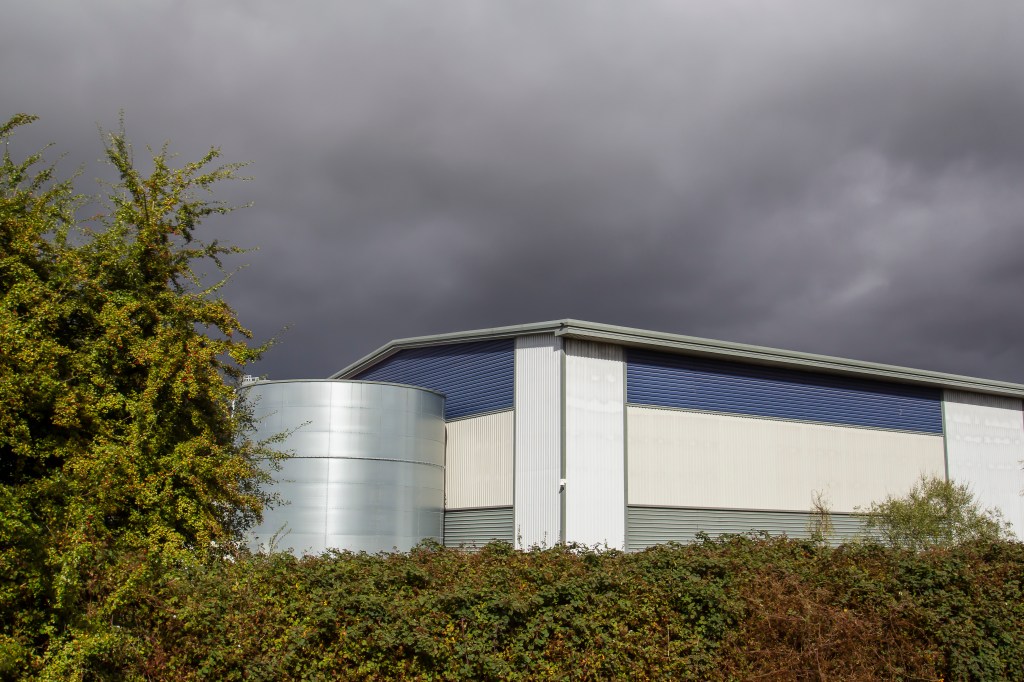
Unlike our road system, where even on minor roads you are alerted to the fact that you’ve passed from one county (or ‘unitary authority’) to another, on the canals it’s sometimes hard to discern which county you’re actually in. But somewhere along the Stainforth and Keadby, between Thorne and Crowle, we passed from South Yorkshire into Lincolnshire, more precisely into the Isle of Axholme. The canal took a long straight path through the flat countryside.

The Hull to Doncaster trainline follows the route of the waterway from Thorne to Keadby.
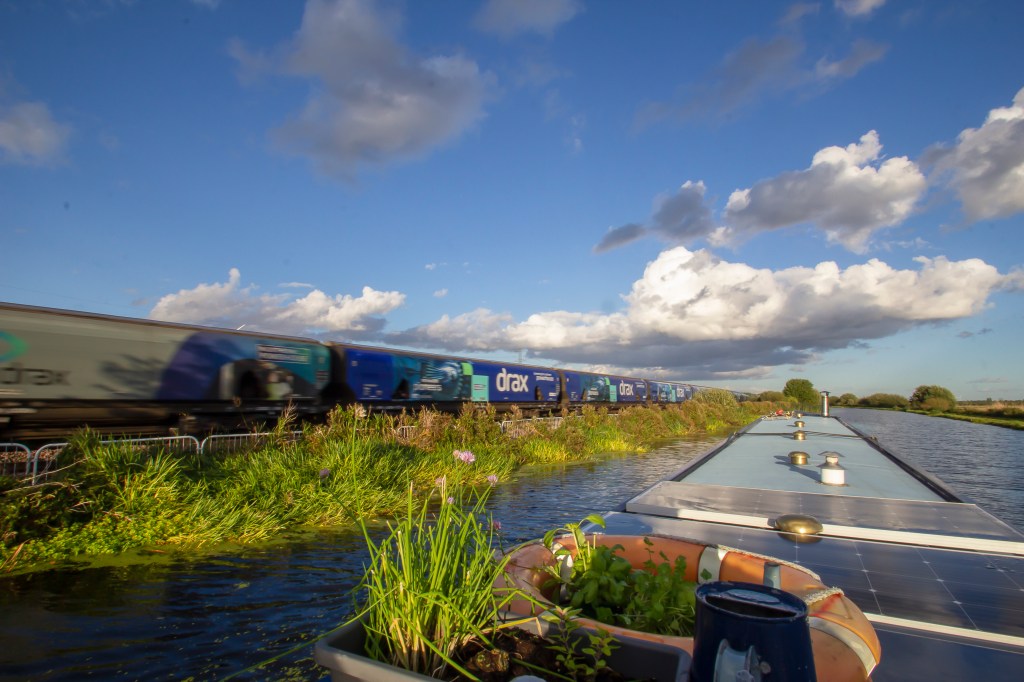
We stopped at Godnow. It was a beautiful evening.
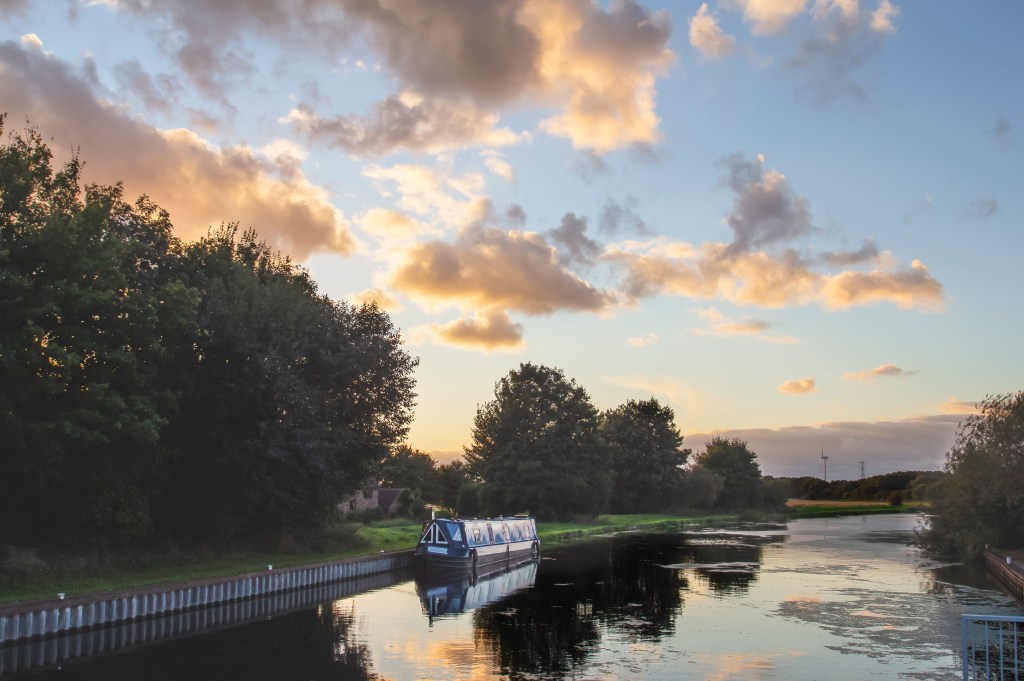
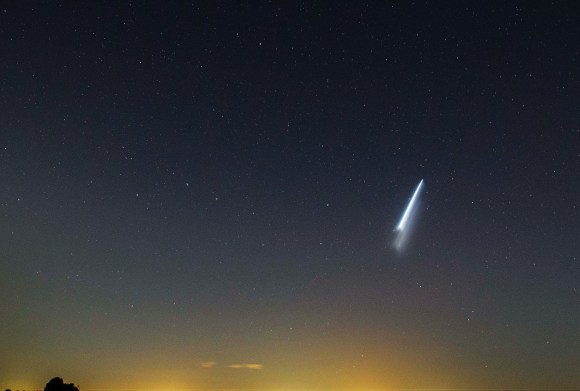
I’d been alerted to the possibility of seeing the Aurora Borealis that night and swotted up on how to best photograph it. At the recommended hour, I went out onto the towpath with camera and tripod, but the faint glow in the north, even with the eye of faith, couldn’t be identified as the Northern Lights.
However, just when I’d given up, a bright light appeared low in the sky. It was the NASA Landsat 9 satellite . So it was worth the effort after all.
Tuesday September 28
Godnow to Keadby
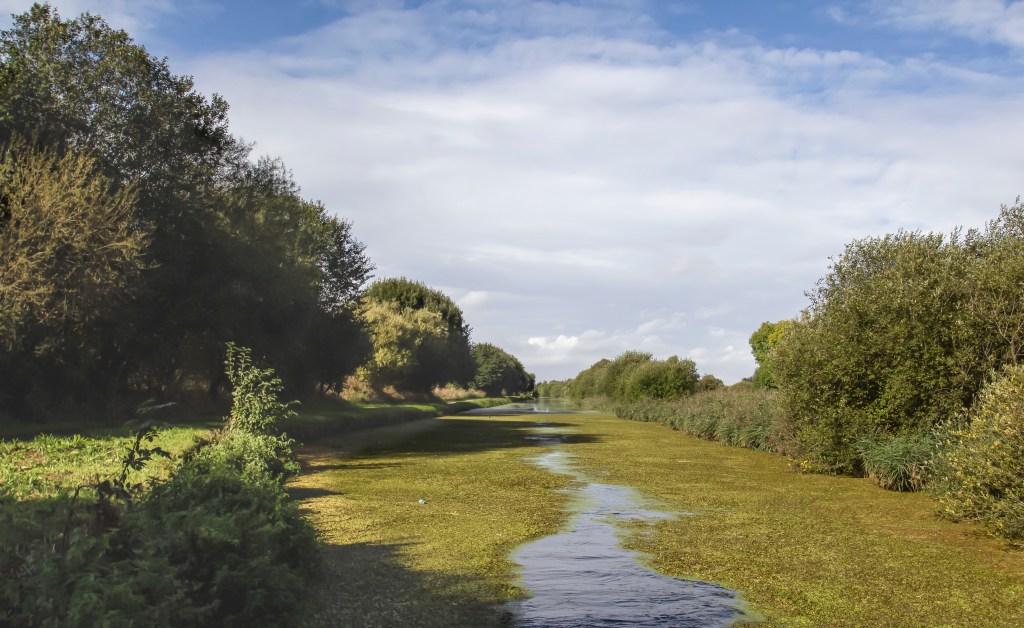
We were nearing Keadby, with its power station and industry.

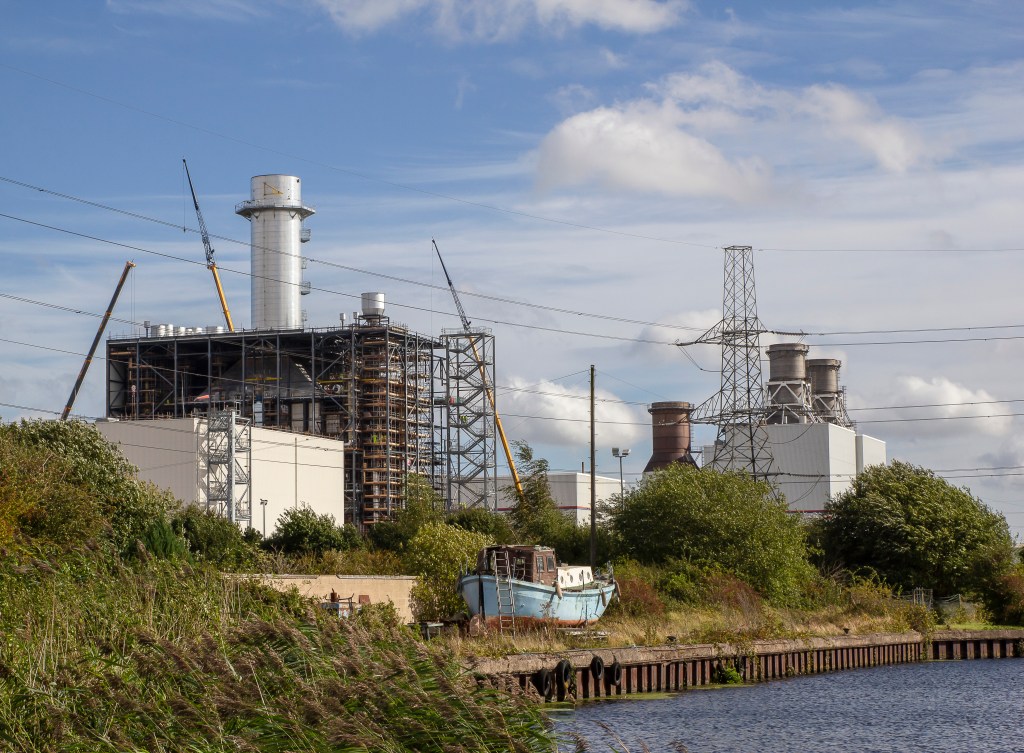
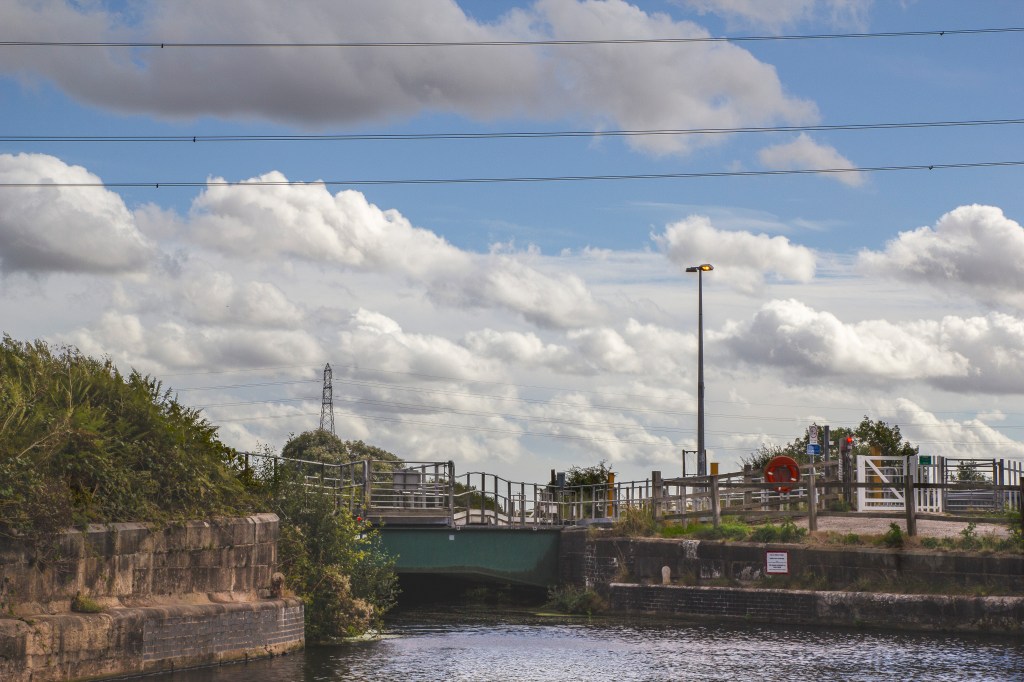
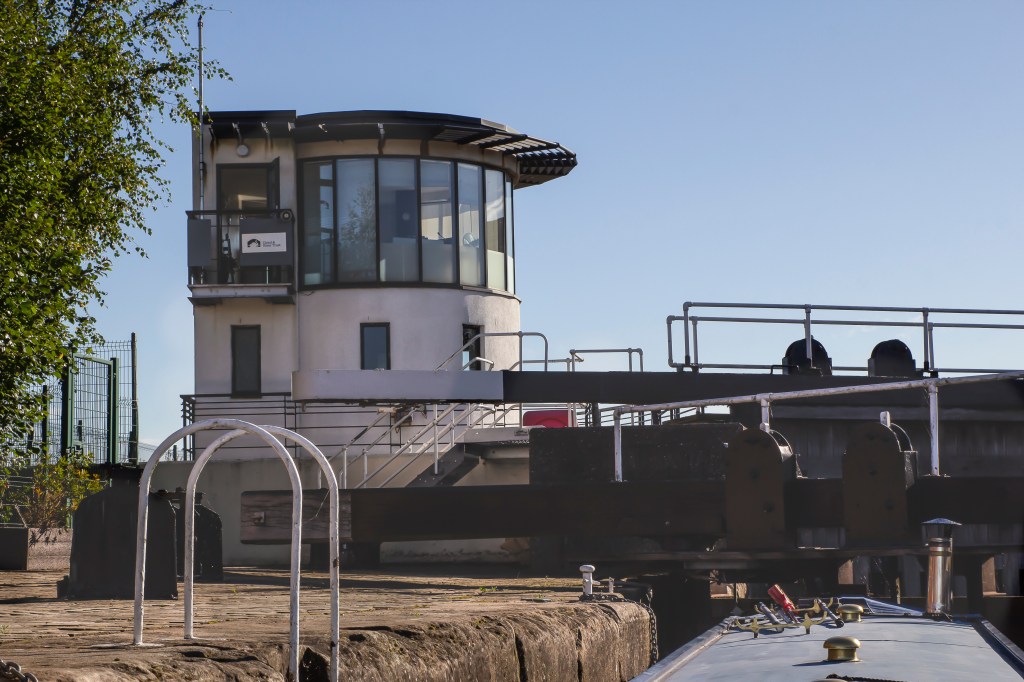
Keadby Lock lets you through into the River Trent. There are clear warnings in the guidebooks and at the lock that small craft shouldn’t venture downstream towards Goole from this point. The lock is manned, and you have to pre-arrange your passage through with the lock-keepers, because timing is dependent upon the tides. It’s further complicated by the existence, just before you get to the lock, of a railway bridge which has been under repair for many months and which only opens twice a week, on Tuesdays and Thursdays at noon, to allow boats passage. So journeys have to be quite carefully planned to make sure that arrival at the bridge and lock coincides with opening times.
We arrived at Keadby in good time for the bridge opening, but Network Rail weren’t hurrying and there was plenty of time to chat with the crews of two other narrowboats, Tumbleweed and Up Spirits, who were also waiting to go through. Bob and Shirley, on Up Spirits, were from Cheshire and had lived on their boat for 14 years. By this time it was very windy, and Bob and Ian had a little discussion about bow thrusters (which make steering the boat easier, especially in the wind).
Ian: Do you have a bow thruster?
Bob(in a withering tone): A bow thruster? They’re for girls! (Slight pause) Have you got one?
Followed by a look of relief when Ian said we didn’t.
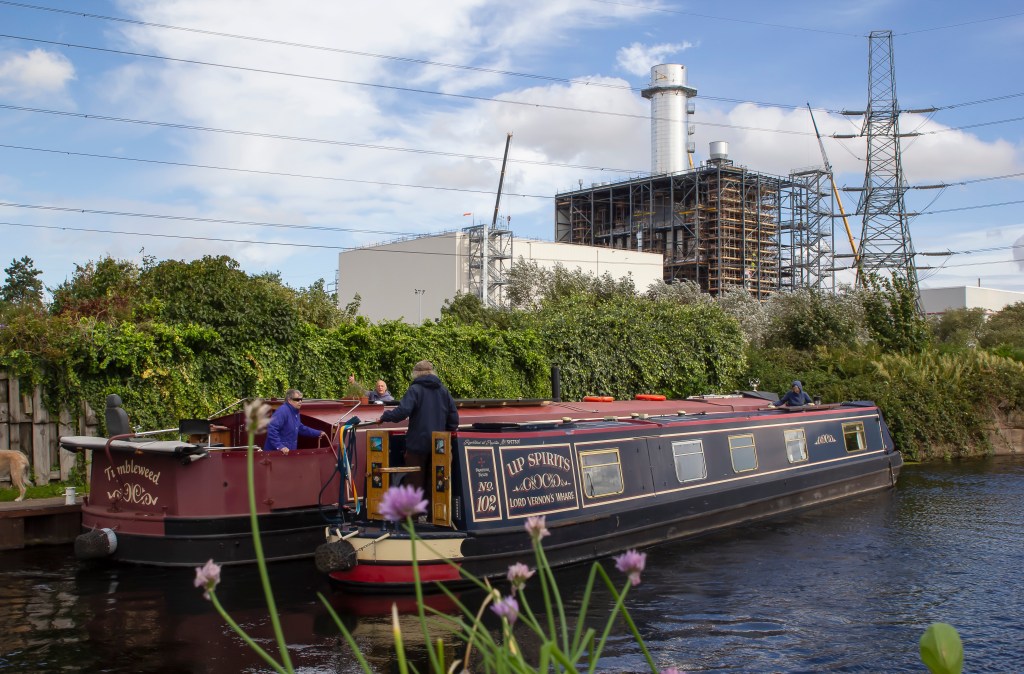

Once through the lock, we all had to wait till the next day for the lock to be opened. There wasn’t a lot to see and do in Keadby.
Wednesday 29 September
Keadby to Torksey
It was a bright cold morning. We had been told the lock would open at 9.30. At 8.30, as I was busy kneading some bread, there was a sharp rap on the window from the Canal & River Trust woman, telling us that some boats would be coming up the lock before we would be able to enter it. But eventually it was our turn to enter the imposing lock, and we went in followed by Up Spirits.

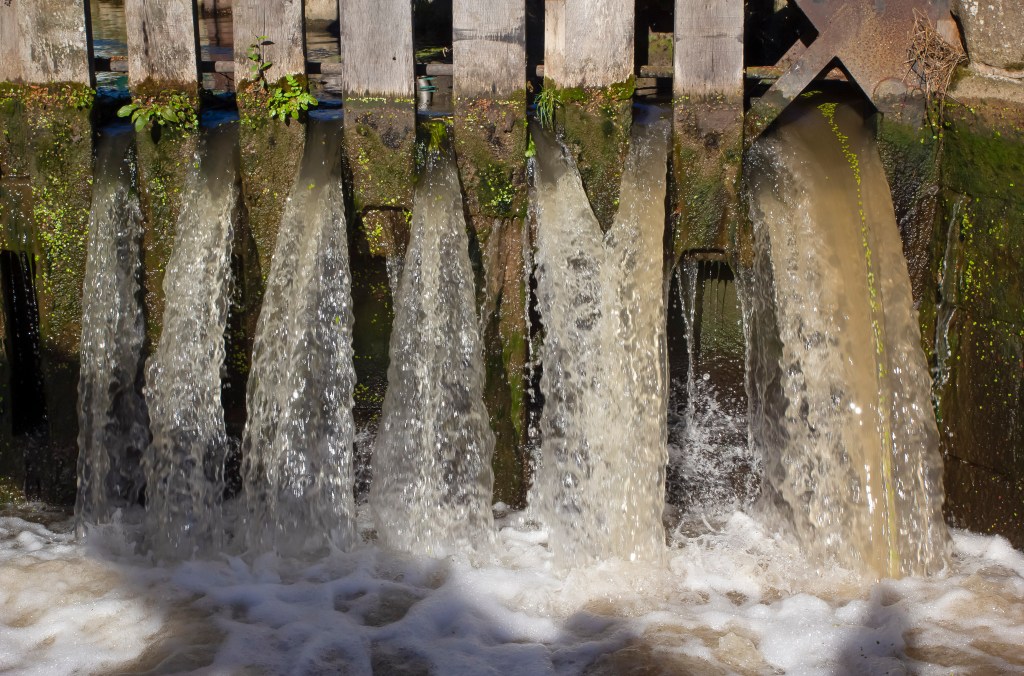
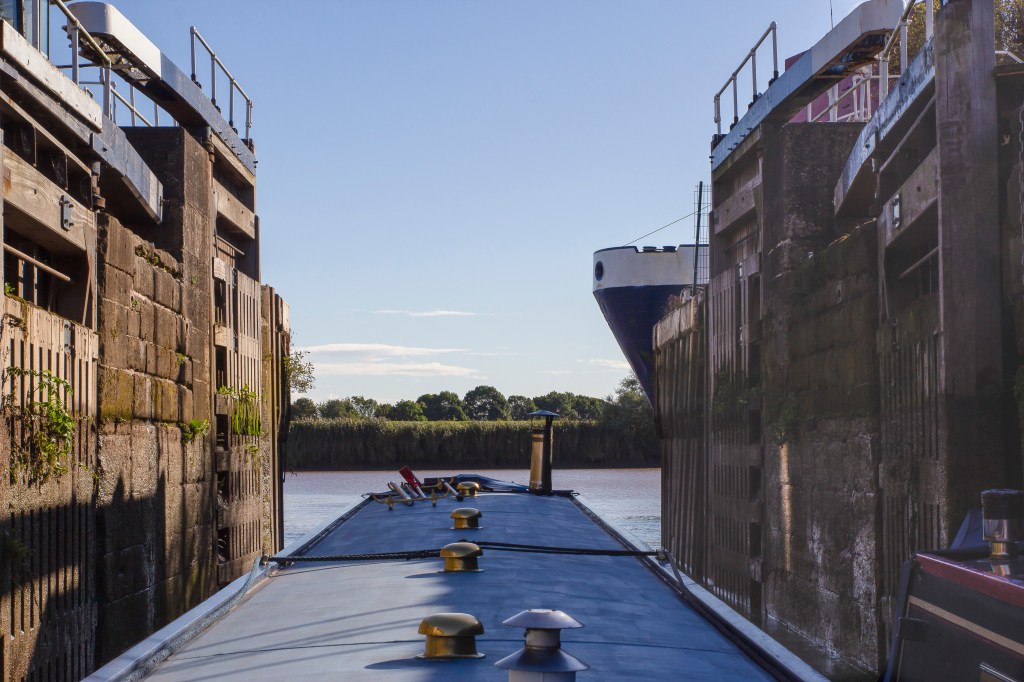
The lock gates opened and there was the River Trent ahead of us. There was something else too – the bow of a rather large ship.


Registered at Antigua Barbuda, LILBO was destined for Russia, Lithuania, Poland and Latvia and would then return to Keadby.
Being on the River Trent reminded us of our Great Loop experiences in America. After being mainly on a narrow waterway, going out onto a wide river was quite exhilarating. Later on, further upstream it became narrower and bordered by gentle wooded hillside. There was more evidence of Lincolnshire’s historic past, from Roman settlements to a Cistercian Priory and a ruined Tudor castle. There were examples of modern engineering too.
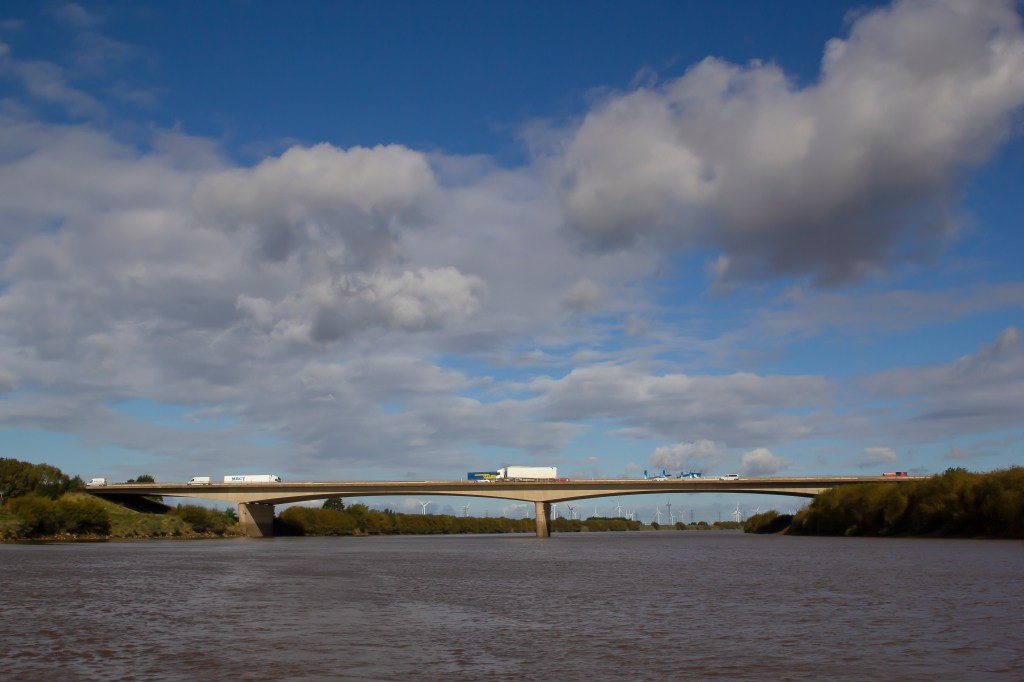

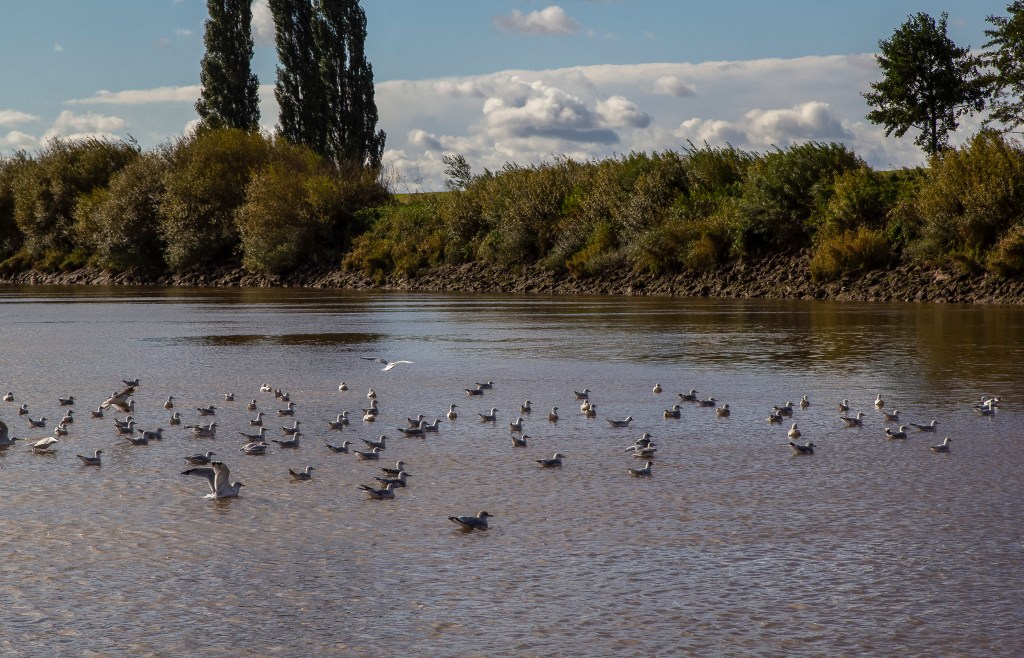
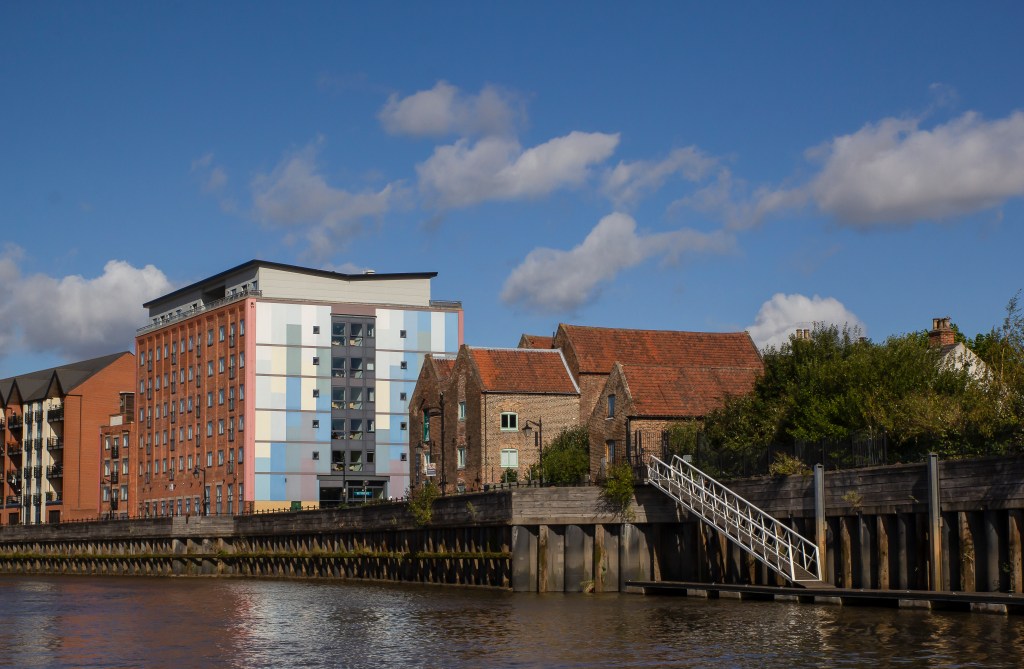

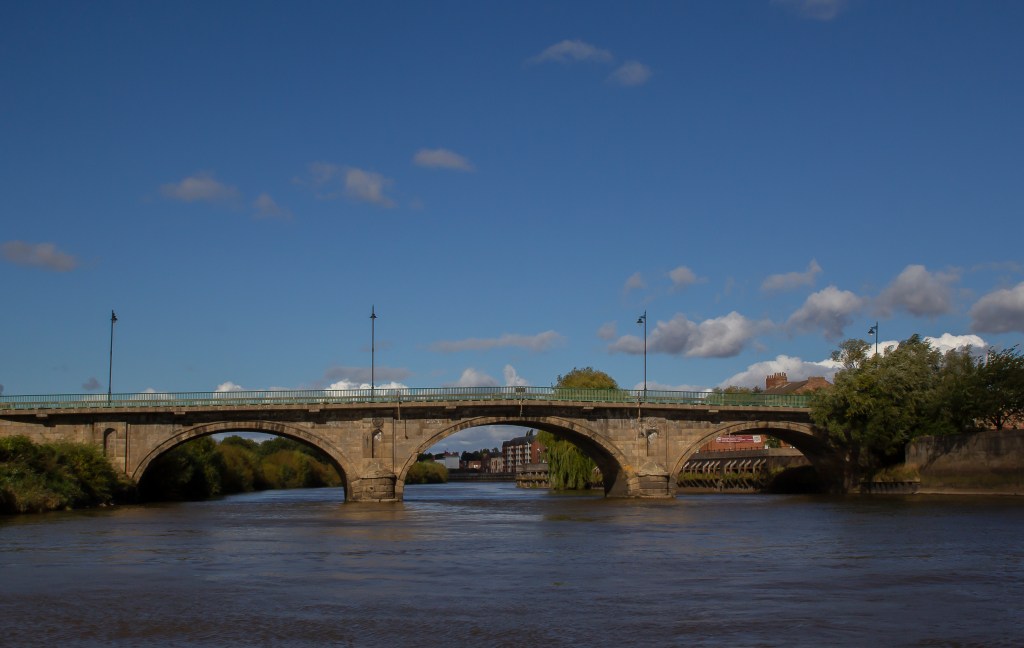
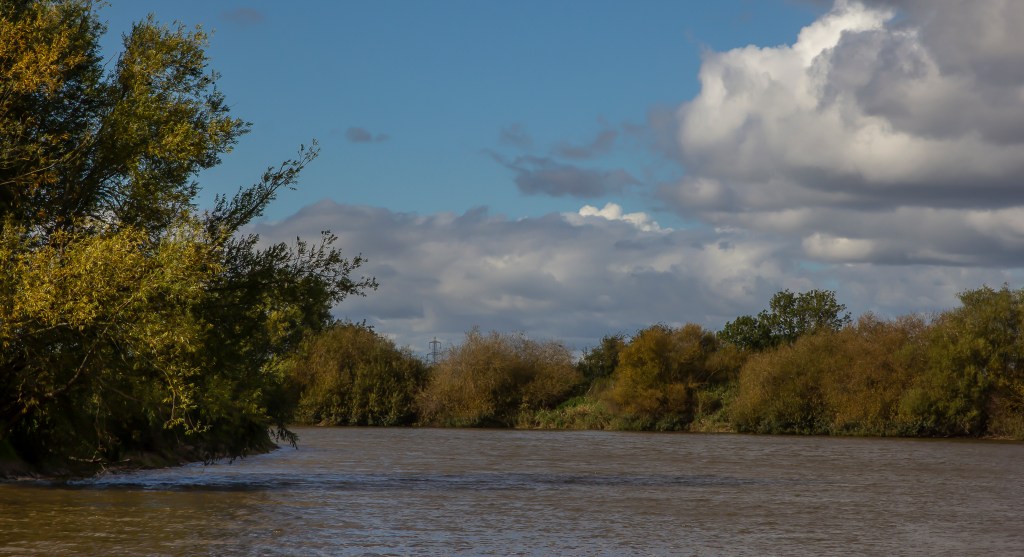
We were not far from Littleborough, the site of the Roman camp Segelocum. King Harold’s army crossed the river here on their way to Hastings in 1066.
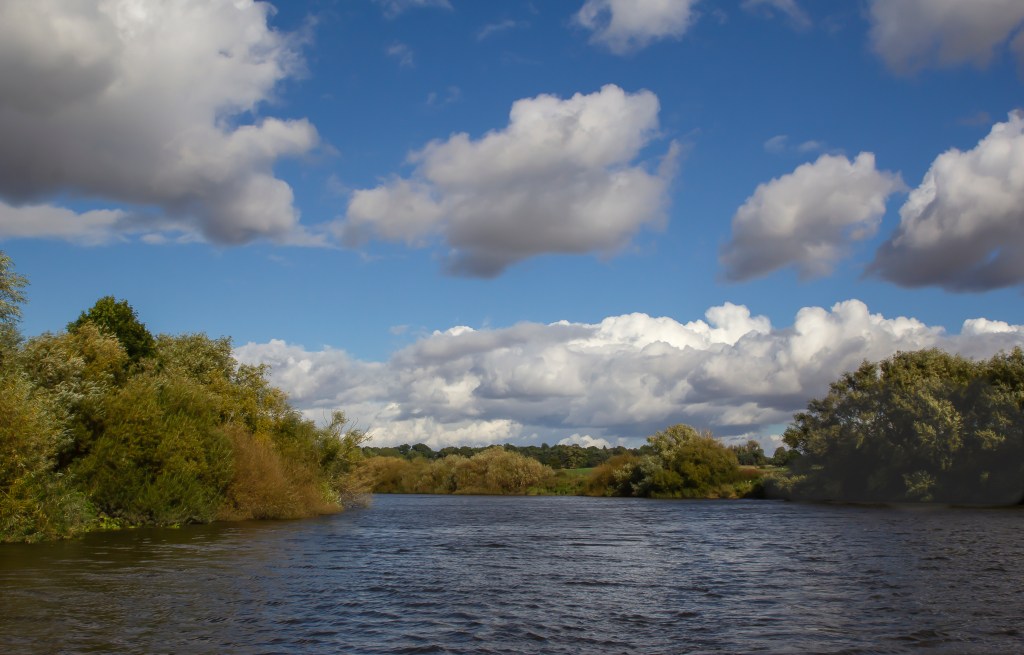
In further echoes of our Great Loop trip, it became very windy, with waves developing on the water. Narrowboats don’t like those sorts of conditions, but it was still far from rivalling the Lake Ontario experience. Storm clouds gathered ahead of us, and as we rounded a bend in the river at Trent Port, we could see another narrowboat aground on the shallows. Ian shouted to see if they needed assistance, but they replied that they were just going to wait for high tide the following Sunday. As it was only Wednesday, we thought this rather odd, but whatever.
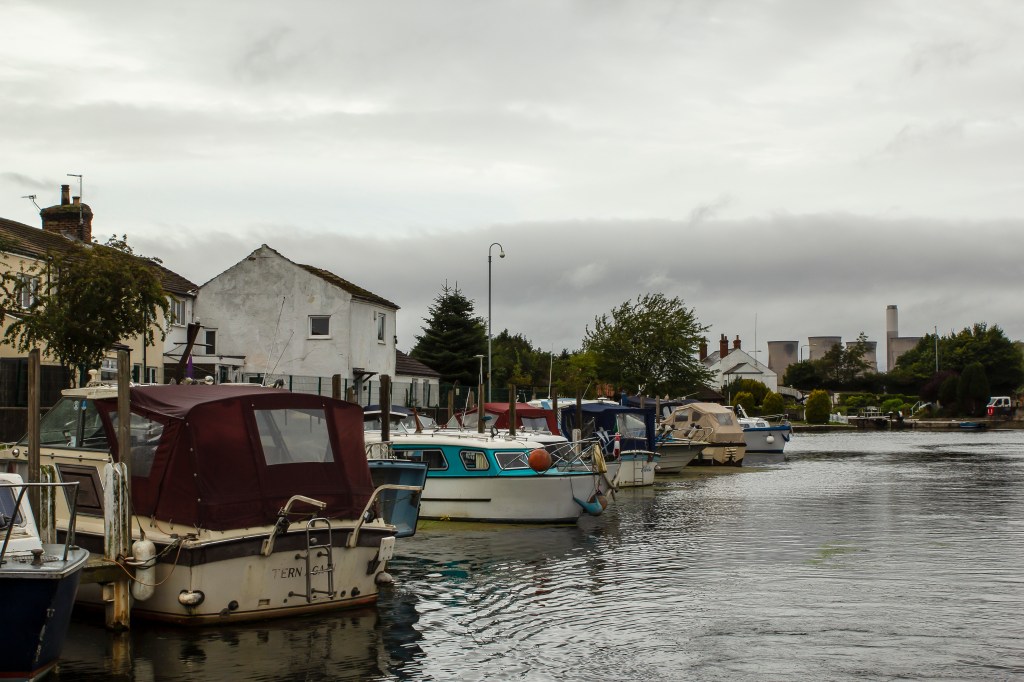
We needed to get through Torksey Lock, where we would leave the river for the Fossdyke Navigation, before we could moor up. The lock was worked by C&R Trust volunteers, who kindly allowed us to moor near the water point, as long as we were off early the next morning before the lock-keeper arrived.
Thursday September 30
Torksey to Lincoln
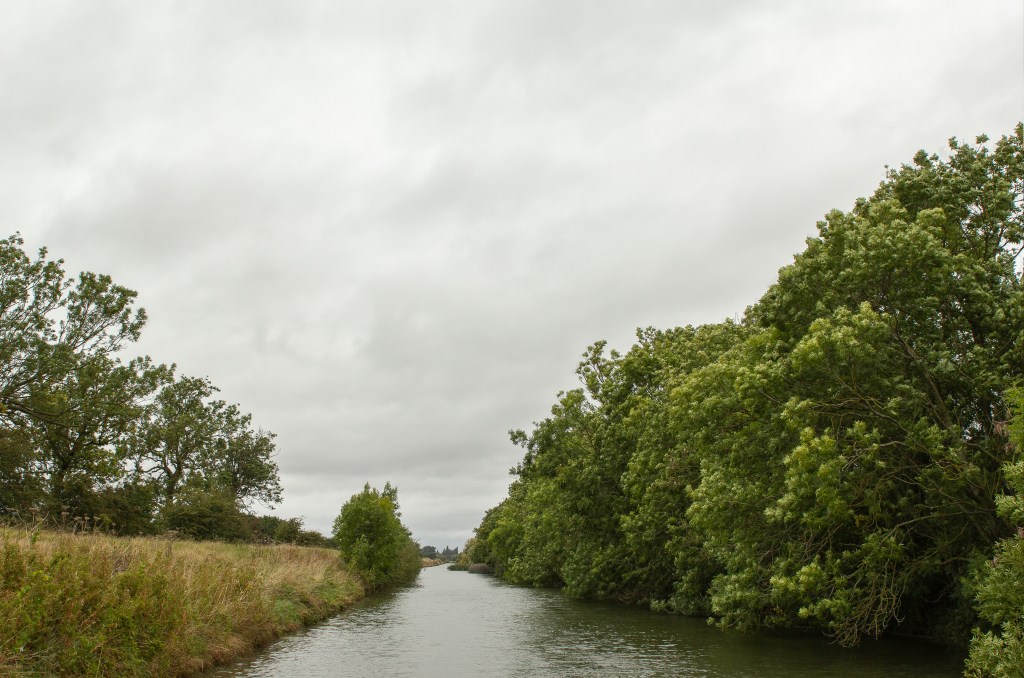
We didn’t leave early because it was raining quite heavily, but no-one seemd to notice our presence on the water point. Eventually the rain eased off and we set off down the navigation, built by the Romans to link Lindum Colonia to the River Trent.
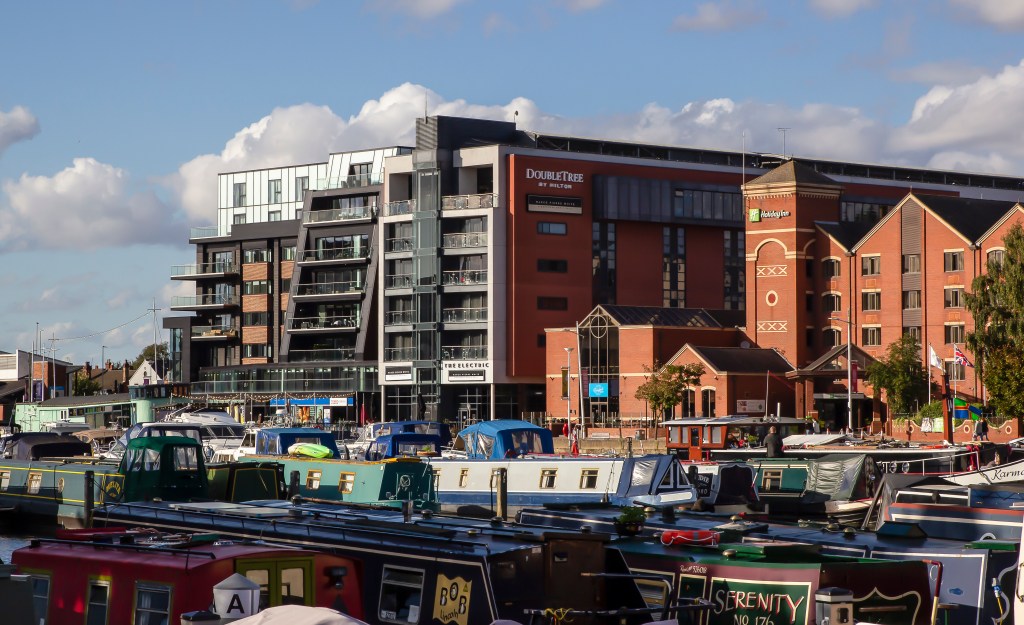
We moored in Lincoln Marina at Brayford Pool, where the navigation joins the River Witham. Overlooked by the university on the south bank and shops, offices and restaurants on the northern bank, it was a marked contrast to what had gone before and had a definite buzz.
Friday & Saturday, October 1 & 2
Lincoln
It wasn’t the brightest day, but we set off to explore Lincoln.


The High Bridge dates back to the 12th century, and crosses the River Witham. It is the oldest bridge in Britain to have houses built on it. The houses were built in 1540.

‘Empowerment’ was commissioned to mark the Millennium, and the design reflects the shape of turbine blades, a reference to Lincoln’s industrial past.
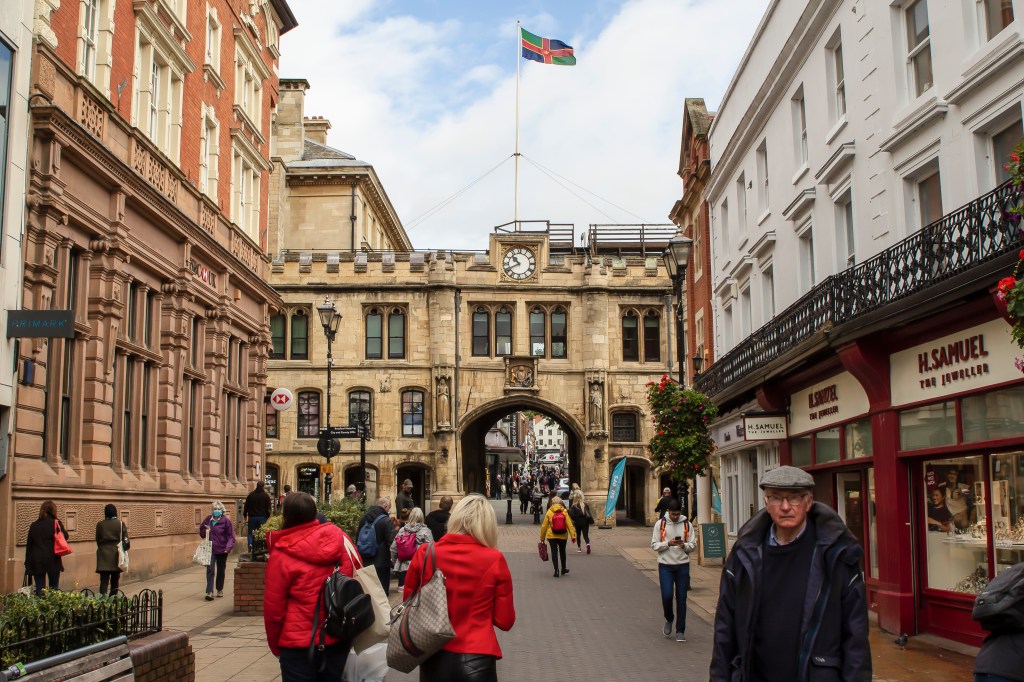

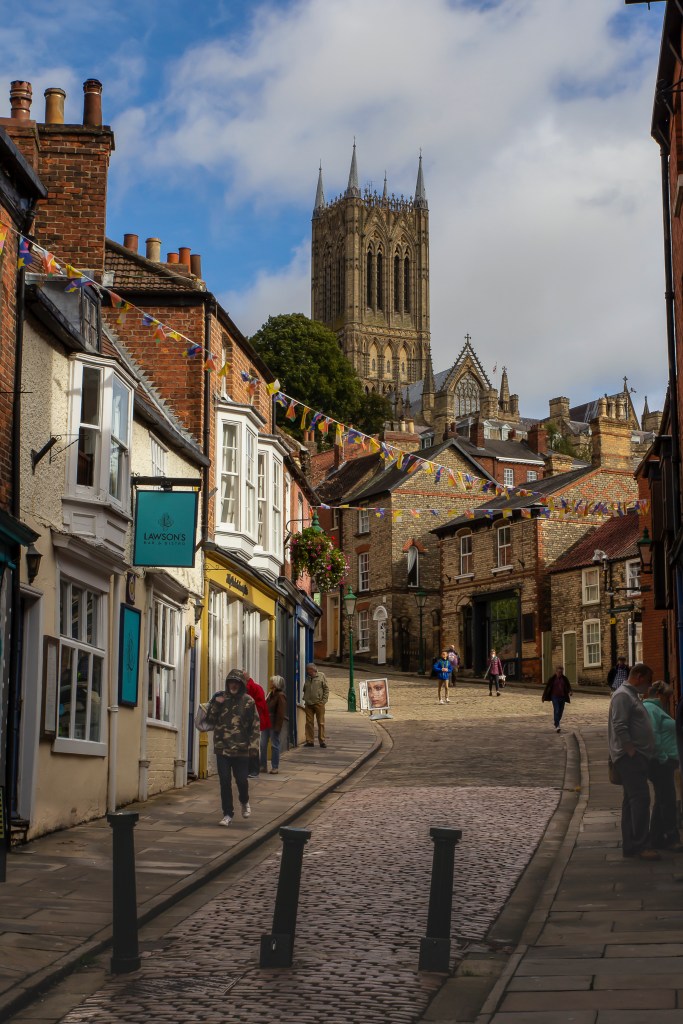
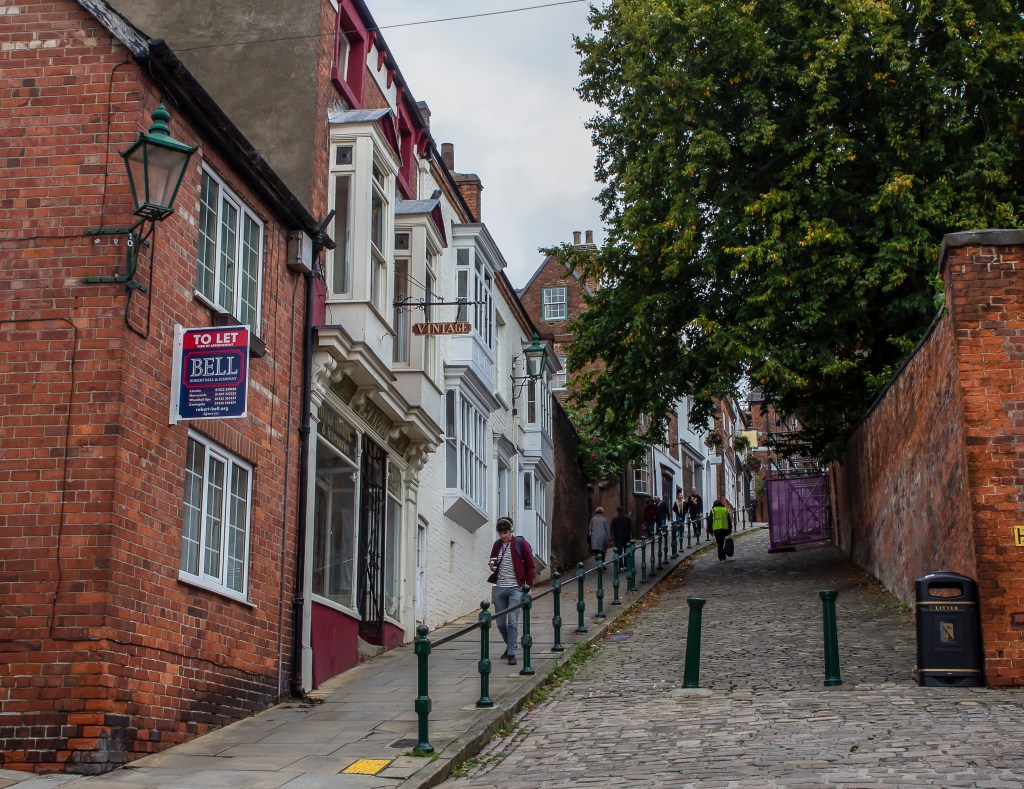
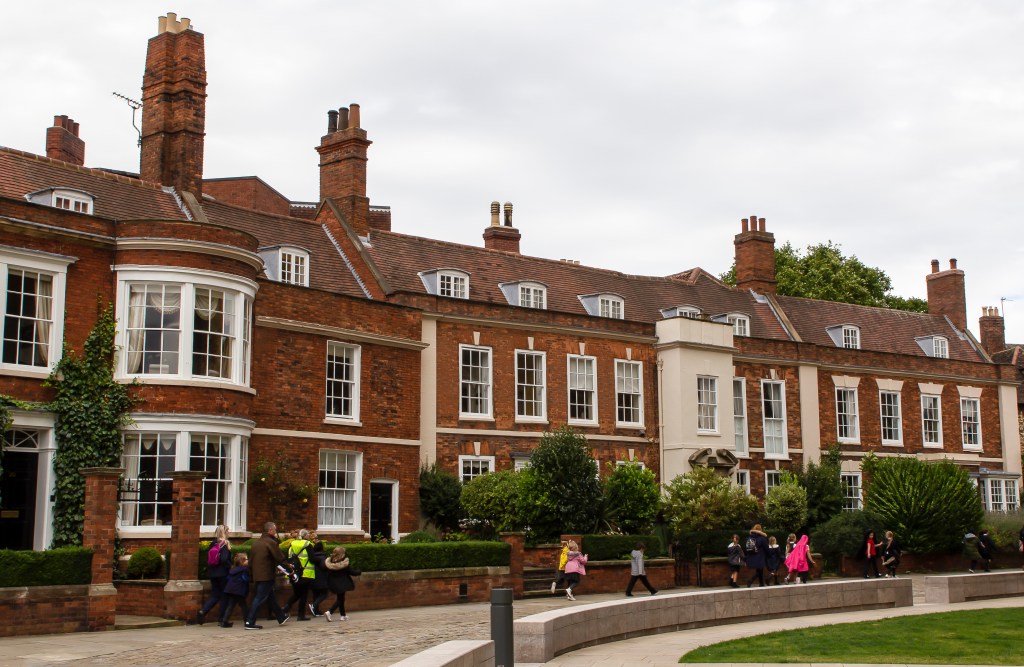
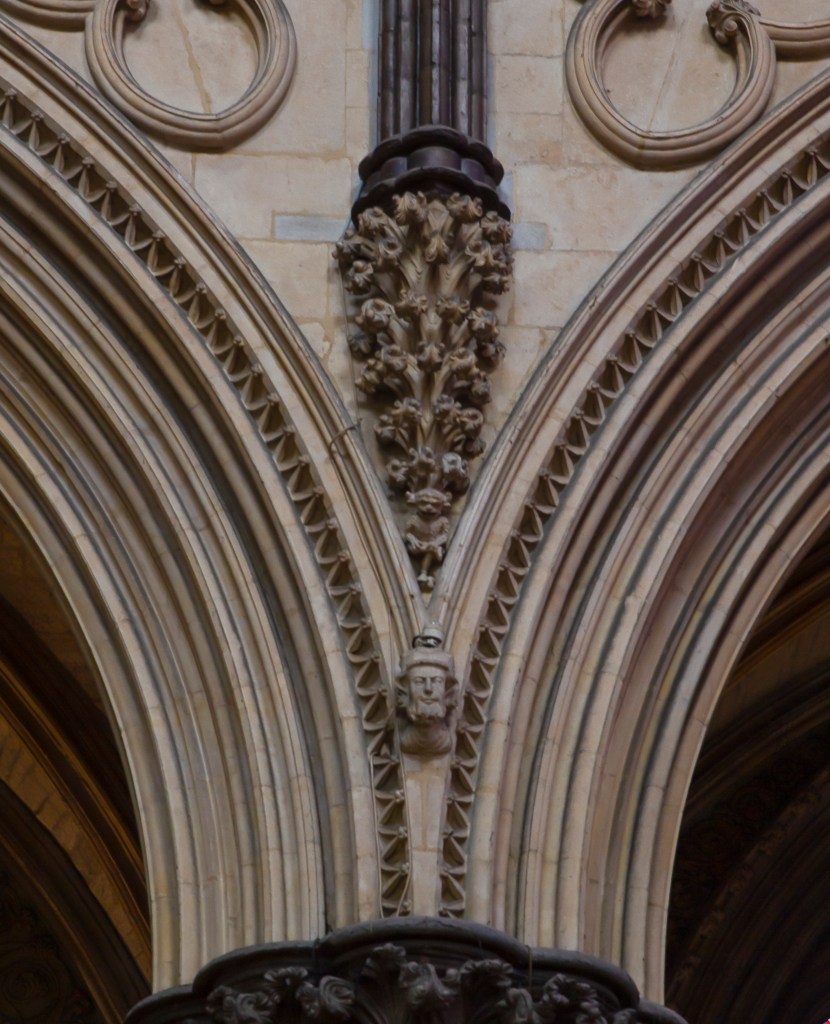


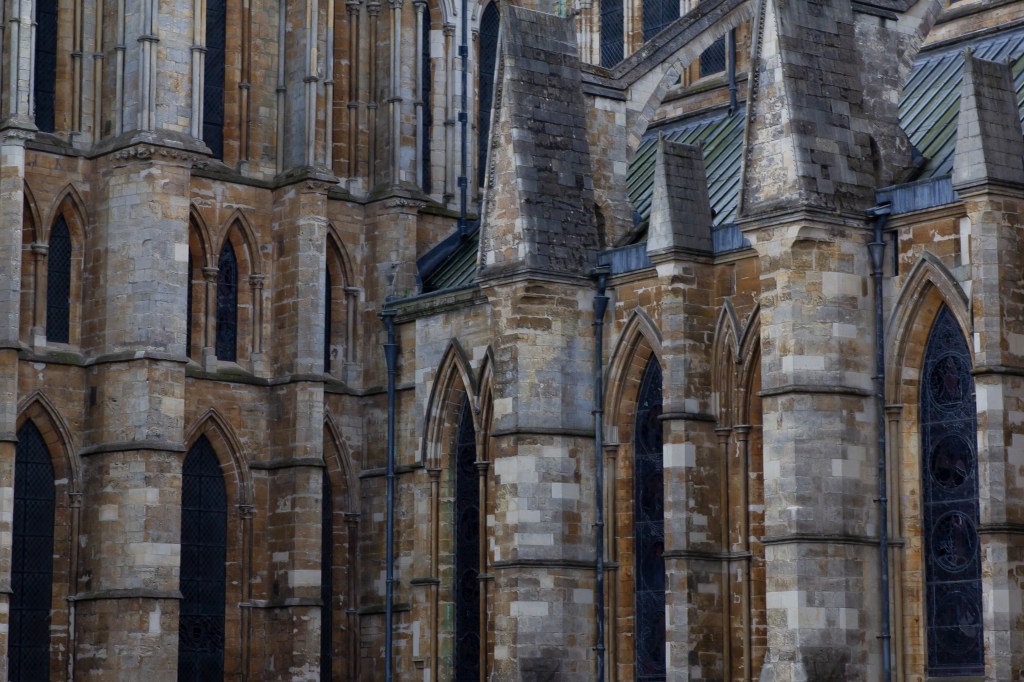
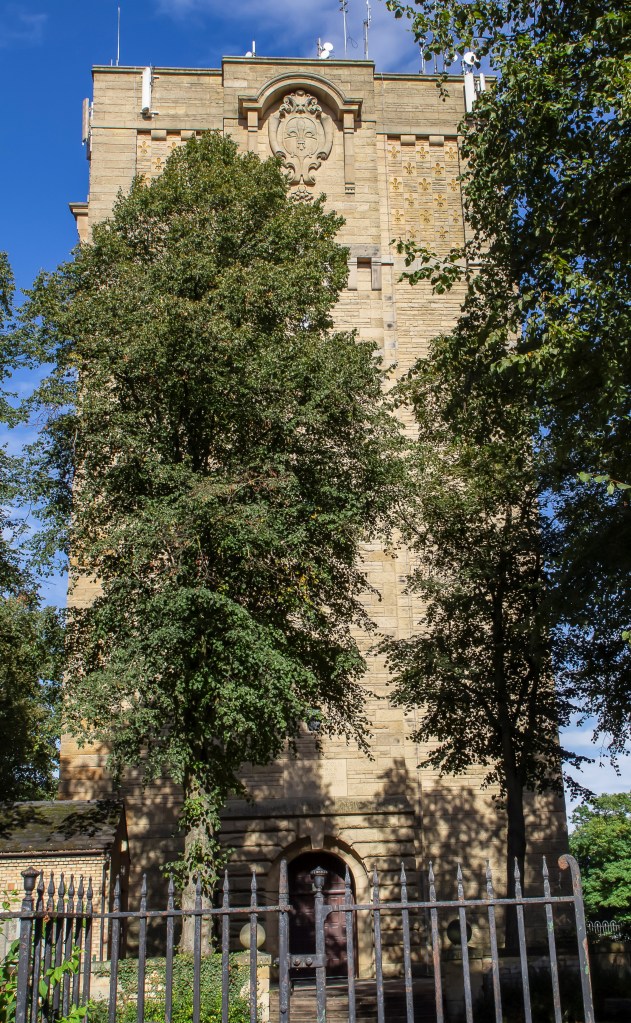
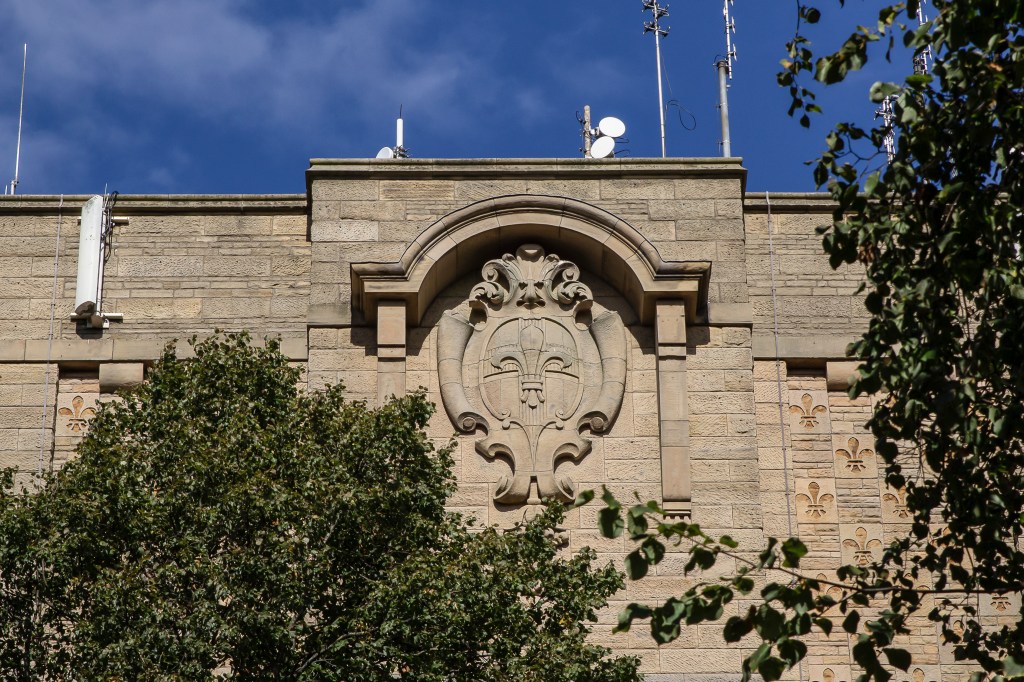
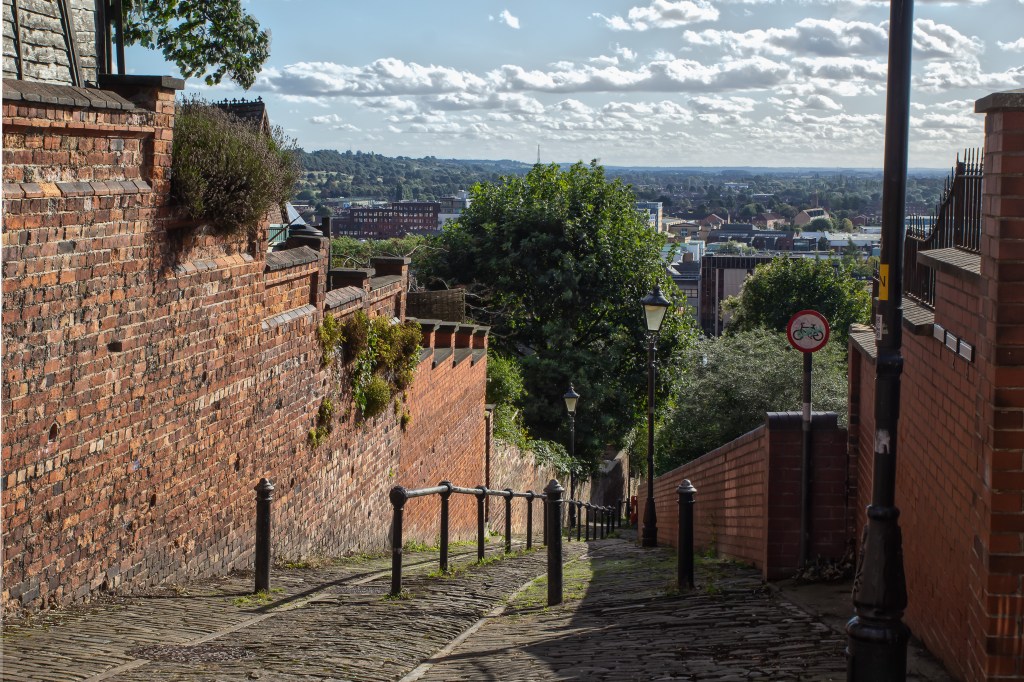

The next day we had a very welcome visit from Jean who had come by train from Nottingham. We trudged through the rain to the The Collection, an archaeology museum in the Cathedral Quarter. By the time we came out, it was rather late for lunch, but the Bookstop Cafe on Steep Hill, with its pleasant seating area amongst the books, had 3 filled baguettes left.

Sunday October 2
Lincoln to Gainsborough
We had to be at Torksey Lock by 11.00, to fit in with the lock opening. This is a 16-minute journey by car, but a 3.5 hour journey by narrowboat. To be on the safe side, we left Brayford Pool at 7, before it was fully light.
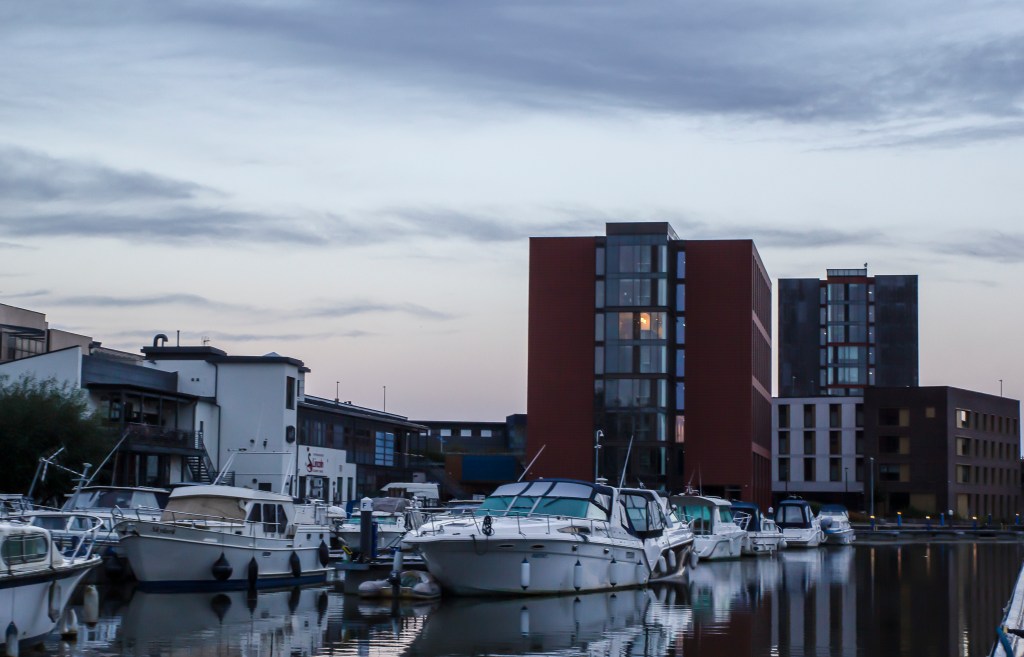
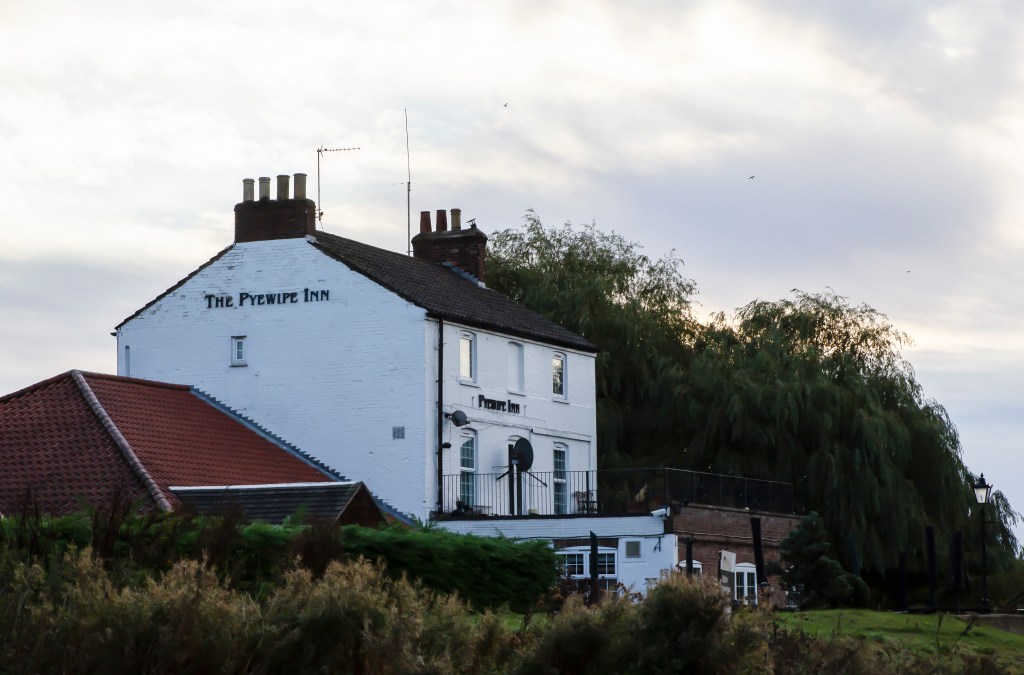
We passed the famous Pyewipe Inn, but sadly not at a time suitable for going in to sample the delicious-sounding menu. But we had already decided we liked Lincoln so much that we’d be paying a return visit, so the Pyewipe (the Lincolnshire name for lapwing) will be on the itinerary.
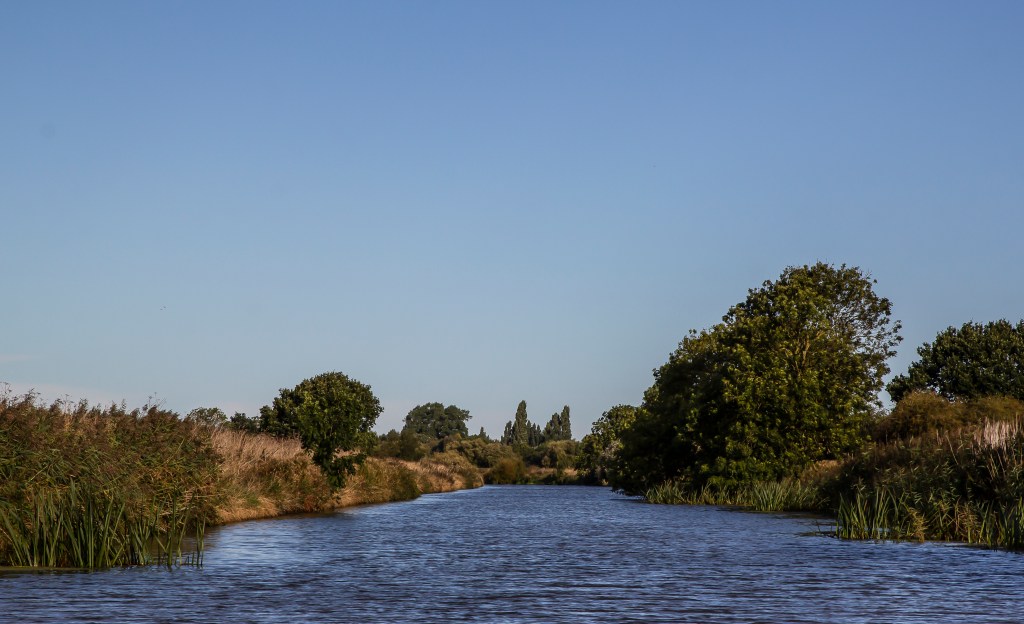
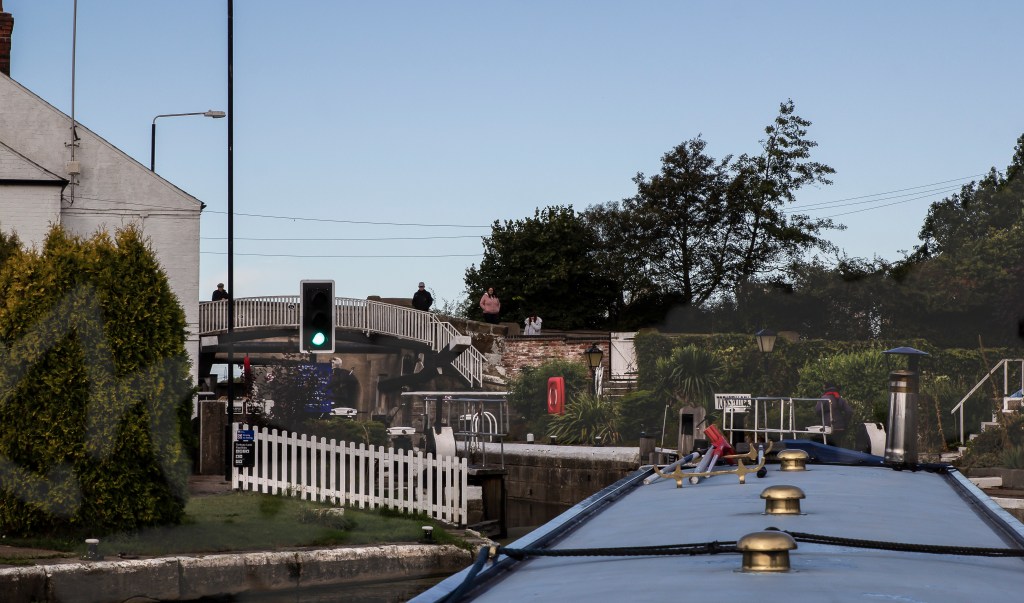
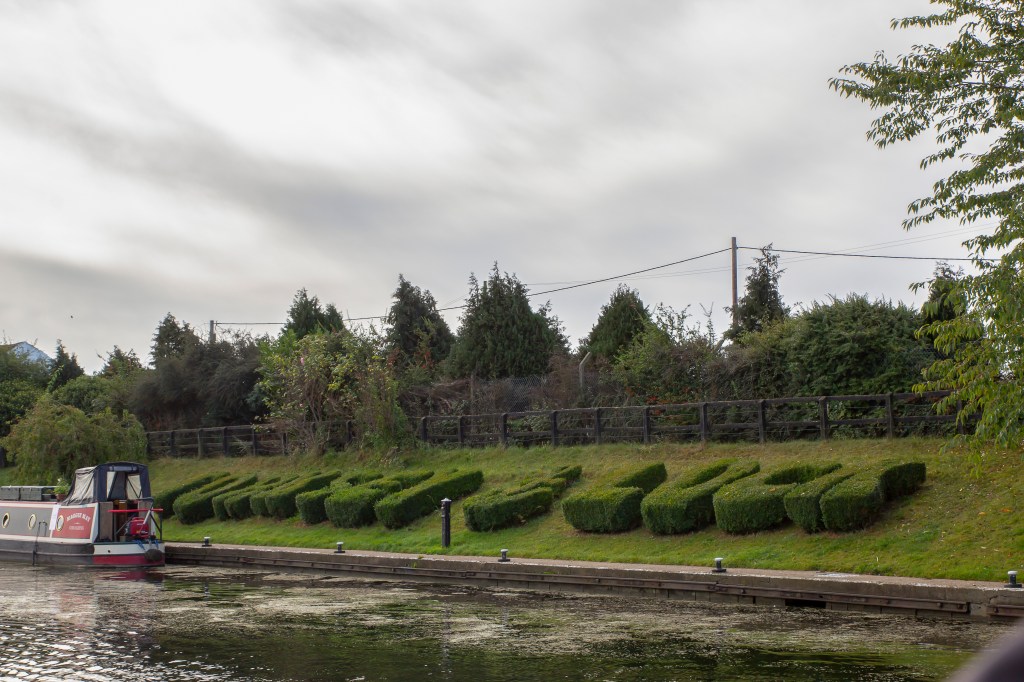
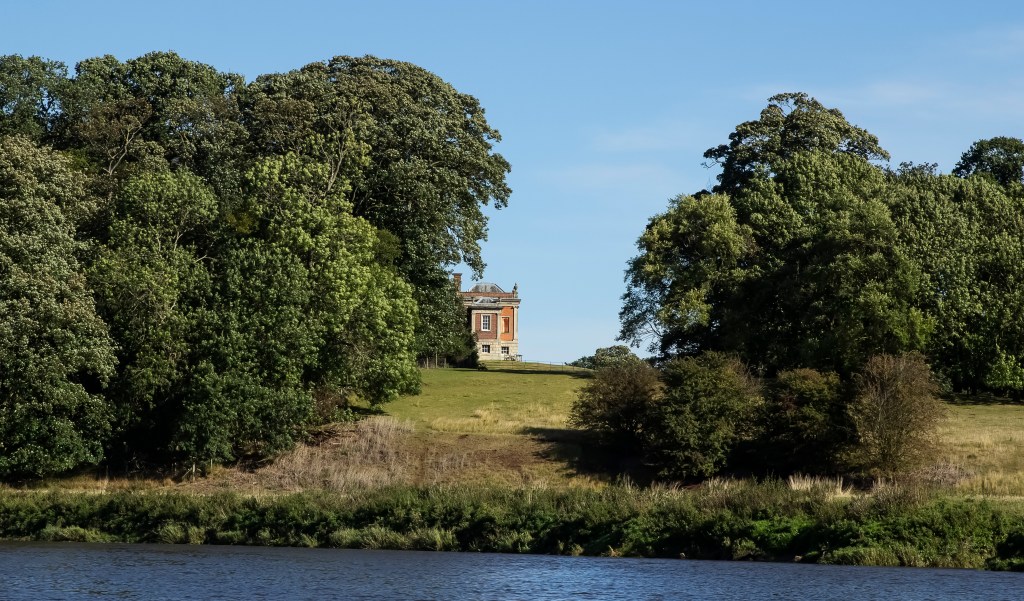
Set back from the river, and partially hidden by trees, is Burton Chateau. It’s owned by the Landmark Trust and is available to let for holidays.
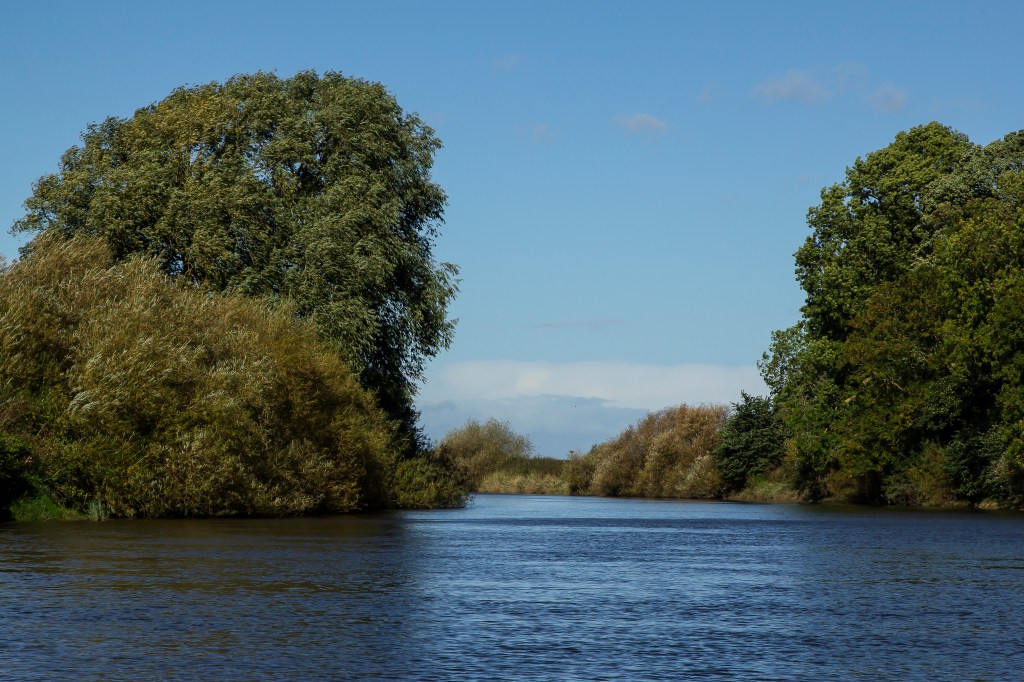
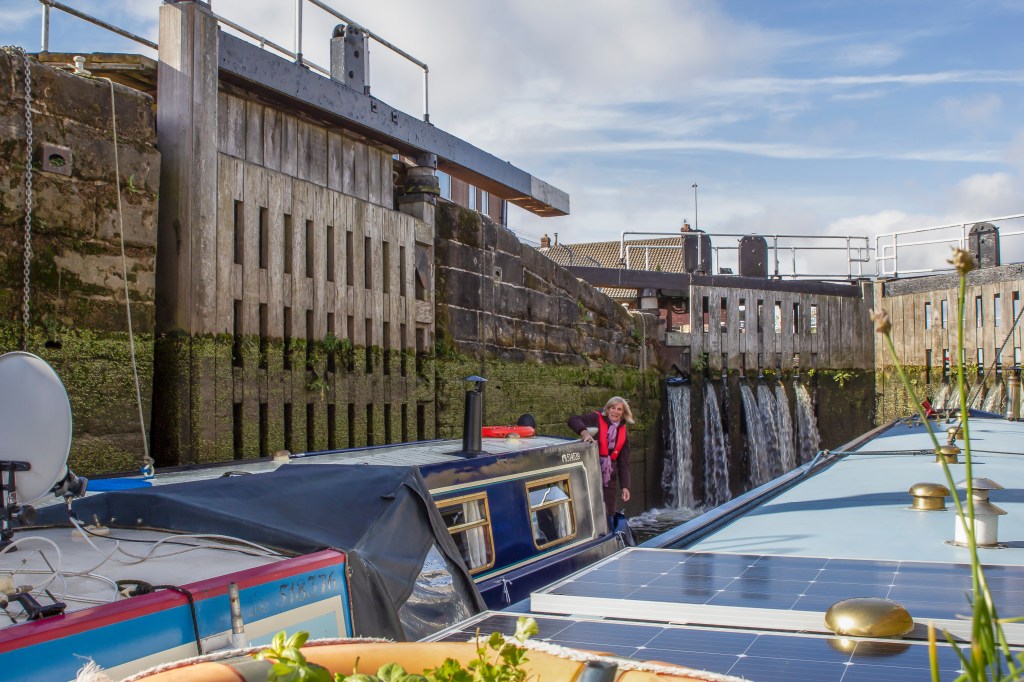
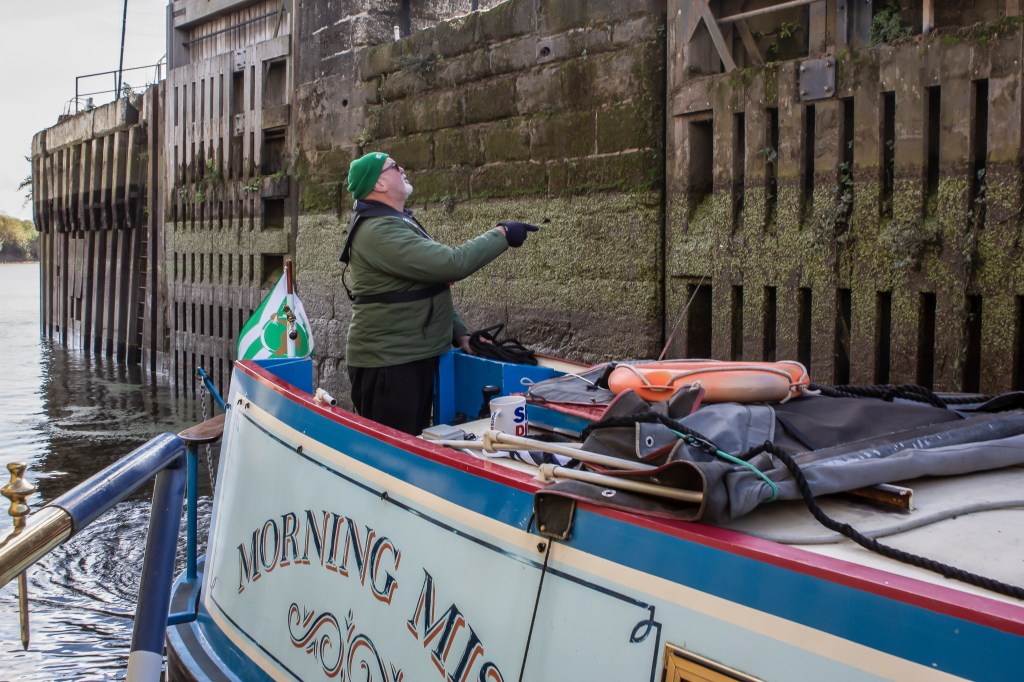
By the time we got to the floating dock at Gainsborough, the weather had turned windy and wet. There were two other narrowboats, LazyDayz and Morning Mist, already tied up but there was plenty of room for us too. They were also heading to Keadby Lock the following day and it was agreed that we would set off together and keep an eye out for each other.
Jean had recommended that we visit Gainsborough Old Hall and after lunch the weather had improved enough to go out.
The Hall was the home of Catherine Parr and Henry VIII visited her there.


Monday October 4
Gainsborough to Keadby
We were out first and LazyDayz and Morning Mist followed us down the river.
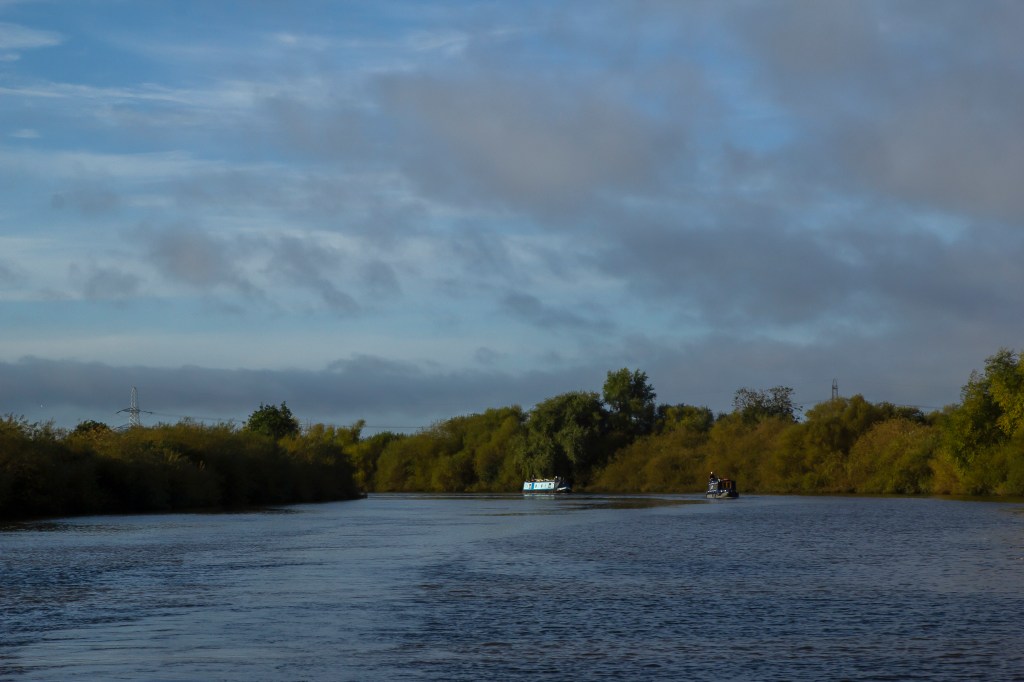
The mixture of dark cloud and bright sunshine highlighted the autumnn tints that were beginning to appear.
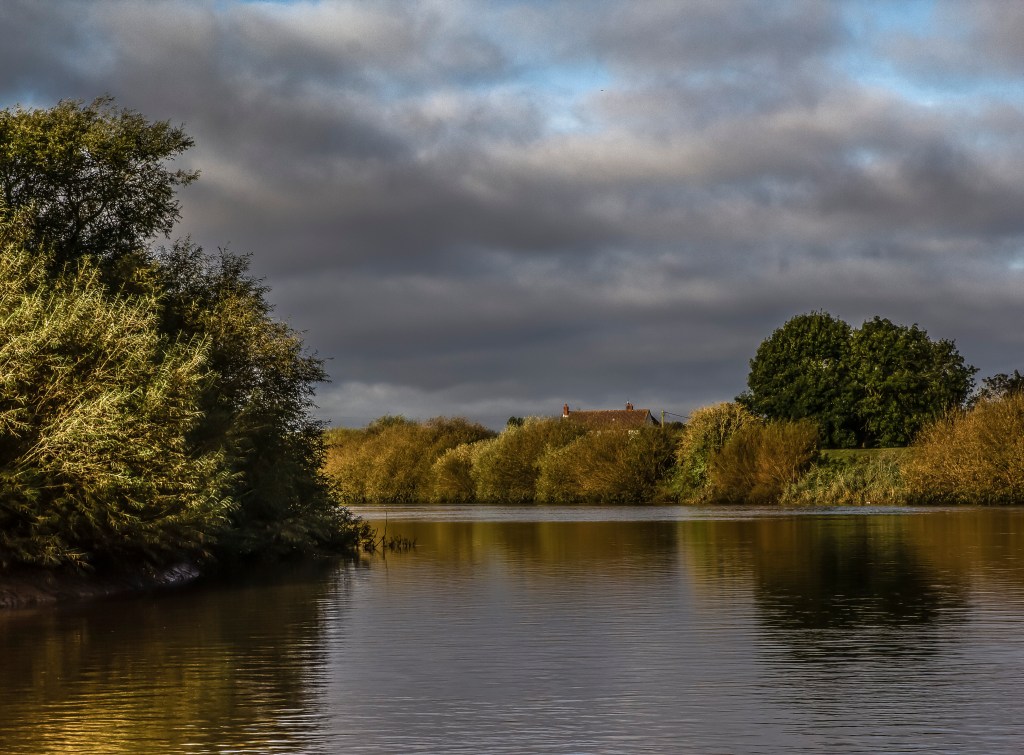

Tuesday, Wednesday & Thursday October 5,6,7
Keadby to Thorne to Bramwith
Conveniently, the Hull to Doncaster railway line not only follows the canal all the way from Keadby to Stainforth, but is generously provided with stations and fairly frequent trains too. So I was able to walk to Keadby Station, get the train to Doncaster, and thence by train and bus back home. In the meantime Ian progressed single-handed to Thorne, though he did confess later to something of an incident at one of the swing bridges where Derwent Lass had found herself at an odd angle across the canal, but was able to resume her course after a helpful intervention from a Canal & River Trust person.
I returned to the boat at lunchtime, alighting at Thorne station, and naturally Ian couldn’t wait to be off again. We got as far as Bramwith, just before the canal junction with the New Junction Canal.

Friday October 8
Bramwith to Pollington
We had time for a stroll around the village of Kirk Bramwith, which nestles in a narrow strip of land between the New Junction Canal and the River Don. There was a treat in store for us. The first building we came to was St Mary’s Church, which dates back to 1120.

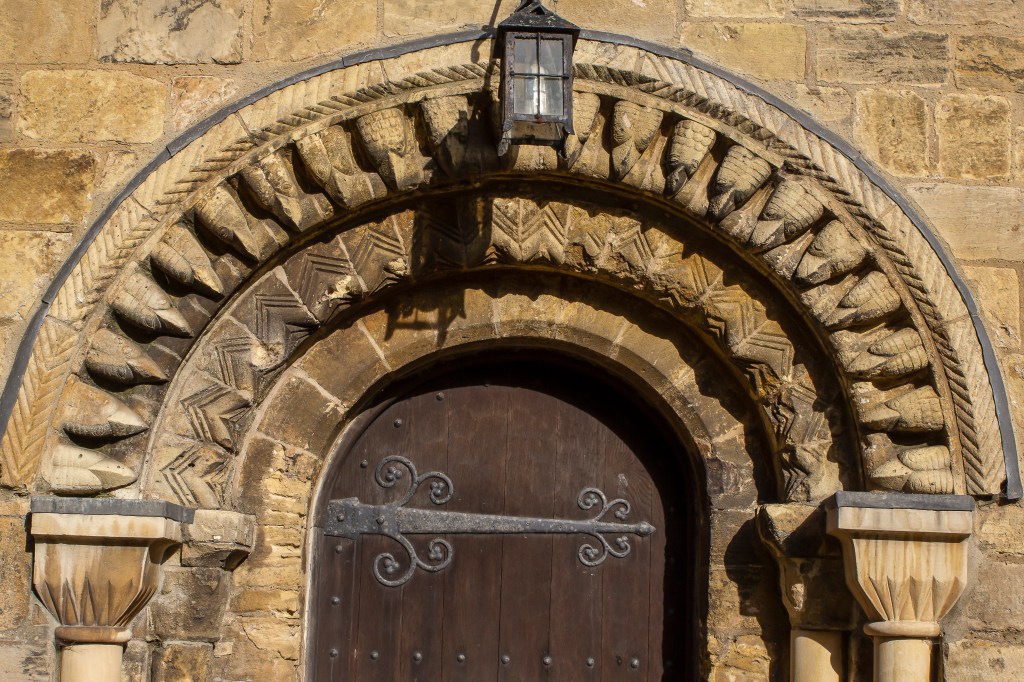
The door was locked, but as we were peering nosily through the windows, a man appeared in the churchyard walking his dog. After weighing us up and deciding we were ‘genuine’, he said he was the caretaker and would open the church for us. Most of the furniture, which was donated by a parishioner, was made by Robert Thompson, the ‘Mouse Man’ of Kilburn in North Yorkshire. The stained glass windows were dedicated to various Kings and Queens, and were given in gratitude for victories in North Africa in World War 11.


We were soon back on the New Junction Canal and the Don Aqueduct loomed.
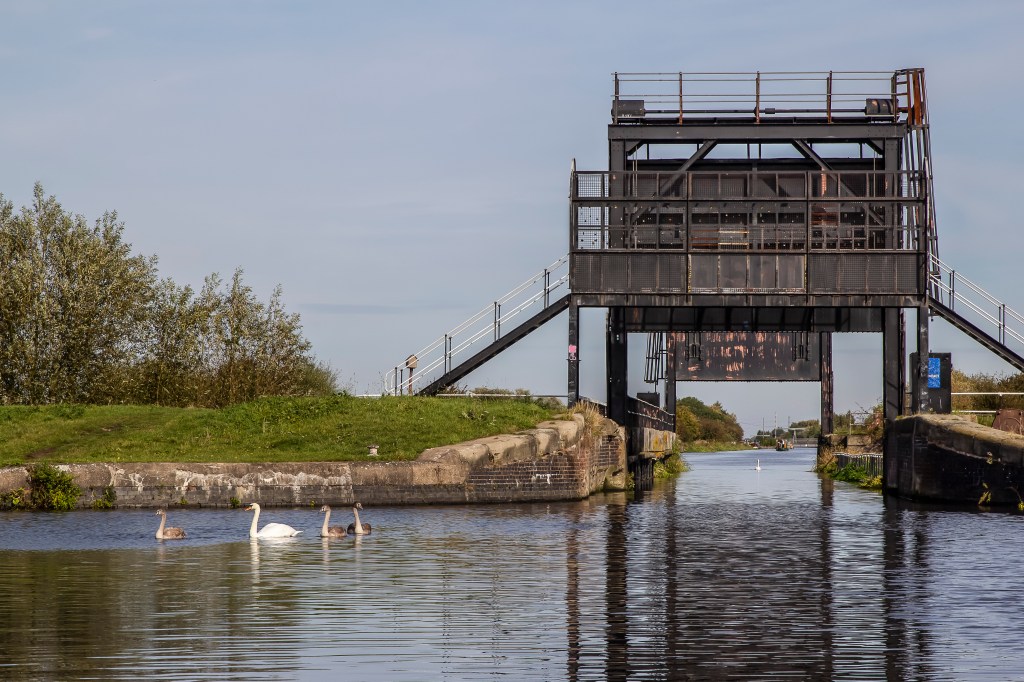
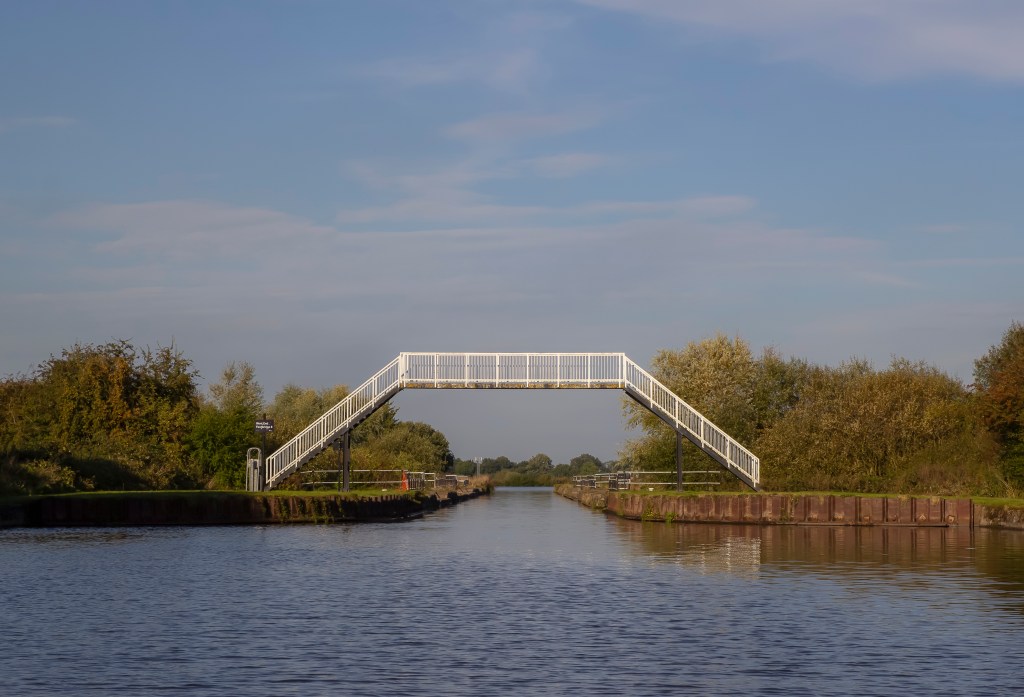
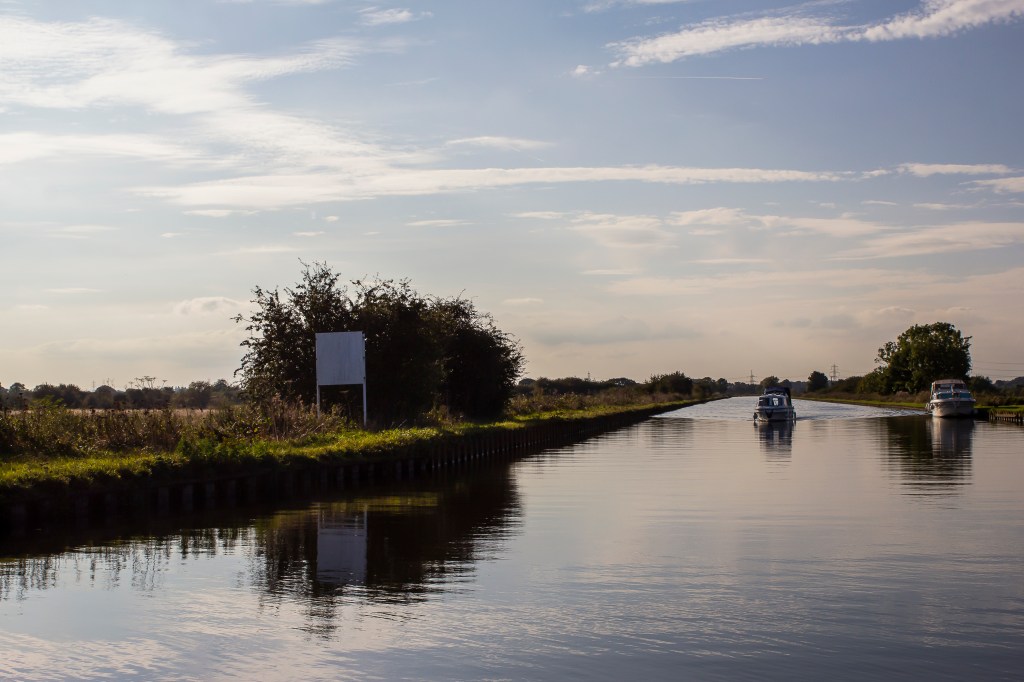
And there was another aqueduct just before we reached Southfield Junction.
Saturday October 9
Pollington to Ferrybridge
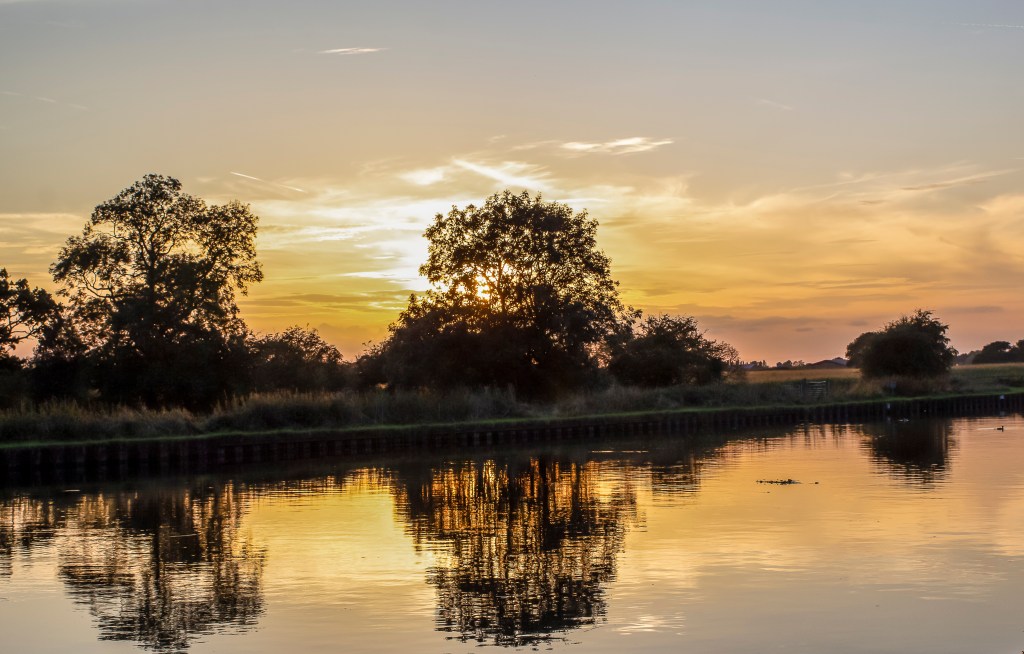
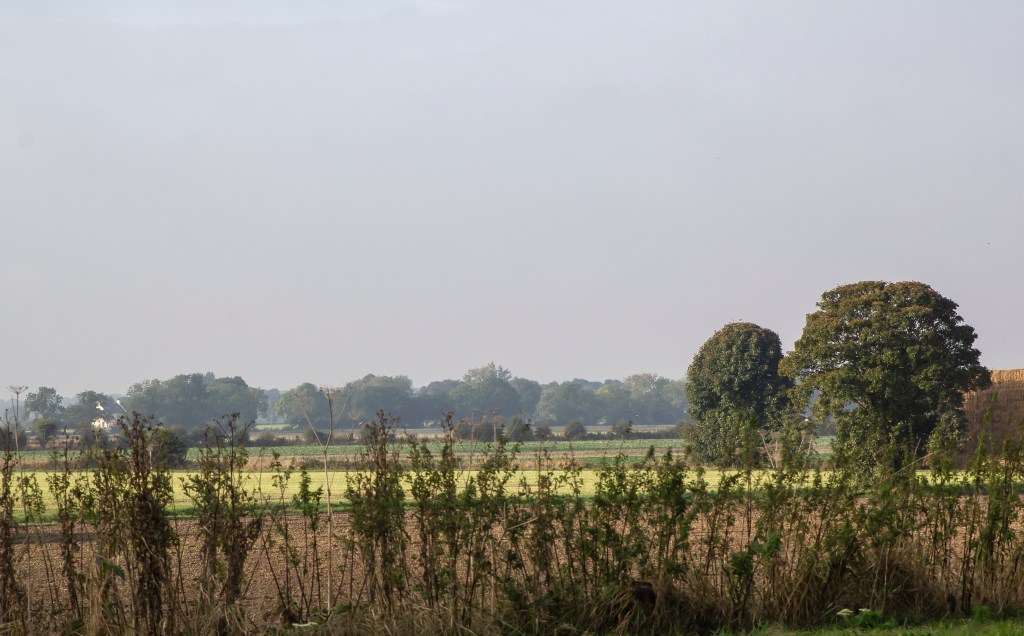
It was another lovely hazy morning as we left Pollington.

Just before we arrived in Knottingley, we saw a lovely stretch of garden along the towpath. Investigation revealed that this was Freda’s Garden.
Freda Turner was a keen gardener who lived by the canal but had only a small garden of her own, so she made a garden along the canal towpath. After she died, the garden became overgrown but in recent years a small group has formed which restored the garden and now maintains it.

There was a branch of Morrison’s not far from the canal in Knoittingley, so we moored up near to the striking ADM King’s Mill and went shopping.

Sunday October 10
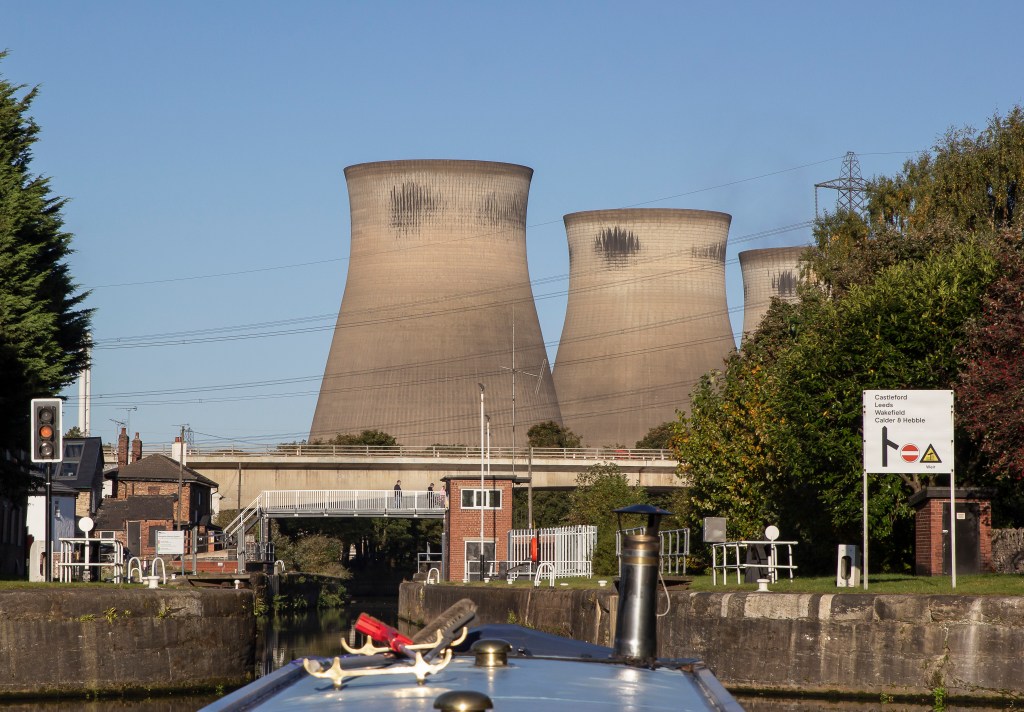
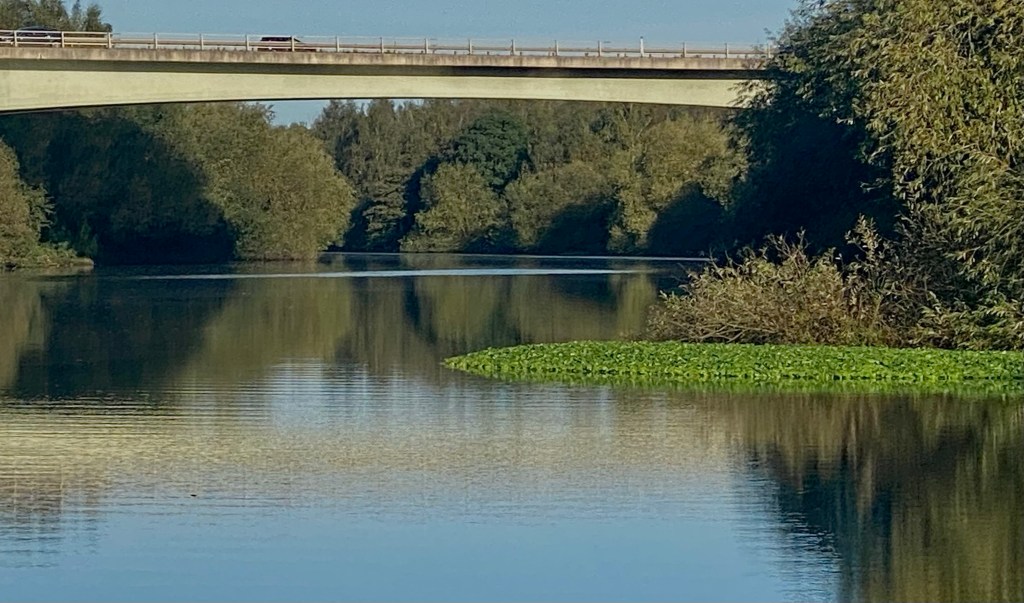
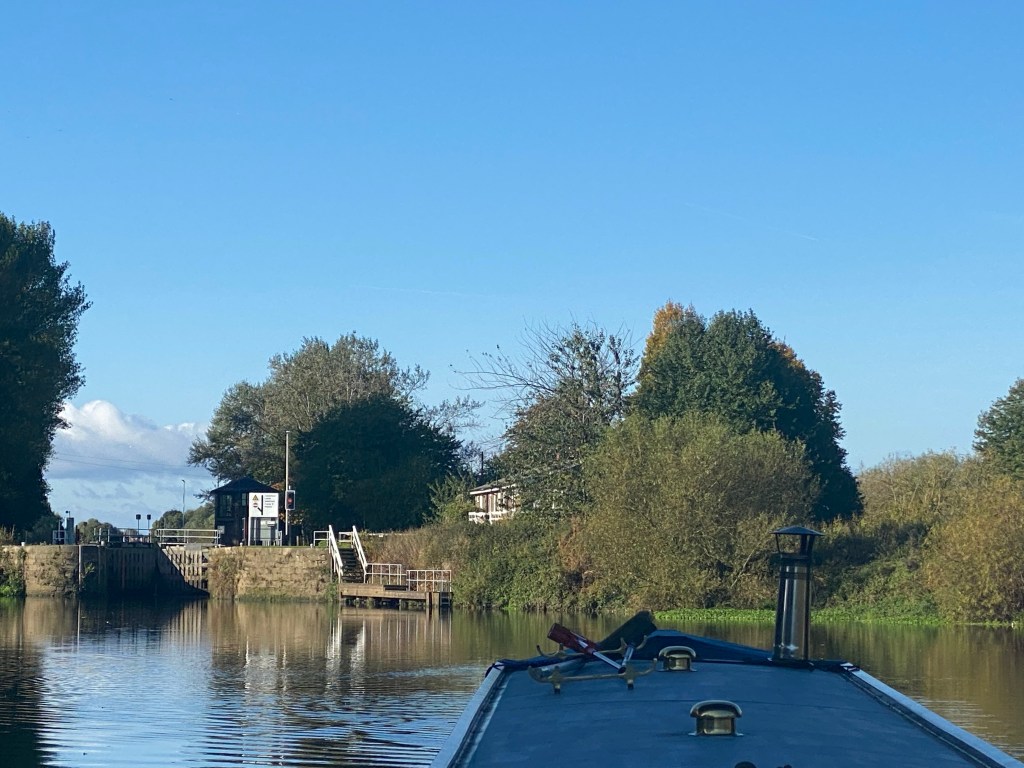
Ferrybridge to Stanley Ferry
Monday October 11
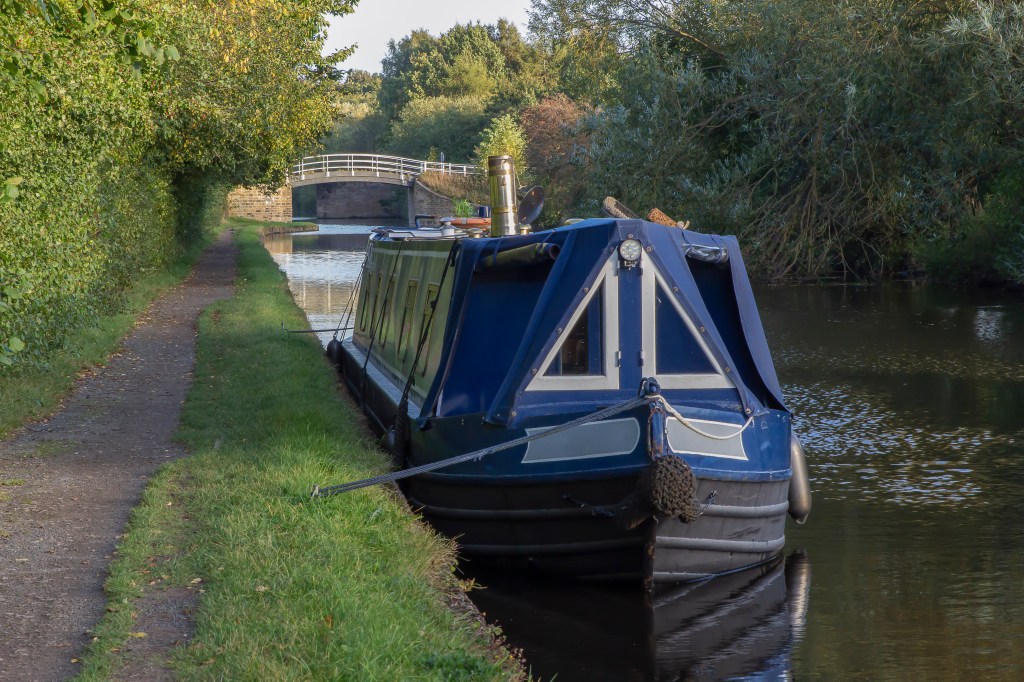
Stanley Ferry to Long Cut
Tuesday October 12
Long Cut to Mirfield, via Dewsbury
There’s a short branch off the main Calder and Hebble, the Dewbsury Arm, which leads into Savile Town. Google led me to an article in the Daily Mail which seemed to imply that the residents of Savile Town might be adversely disposed towards visitors to their enclave. In fairness, Wikipedia implied the same. But undeterred, we turned right at Thornhill Locks and found a small space on the visitor moorings in Savile Town Basin.
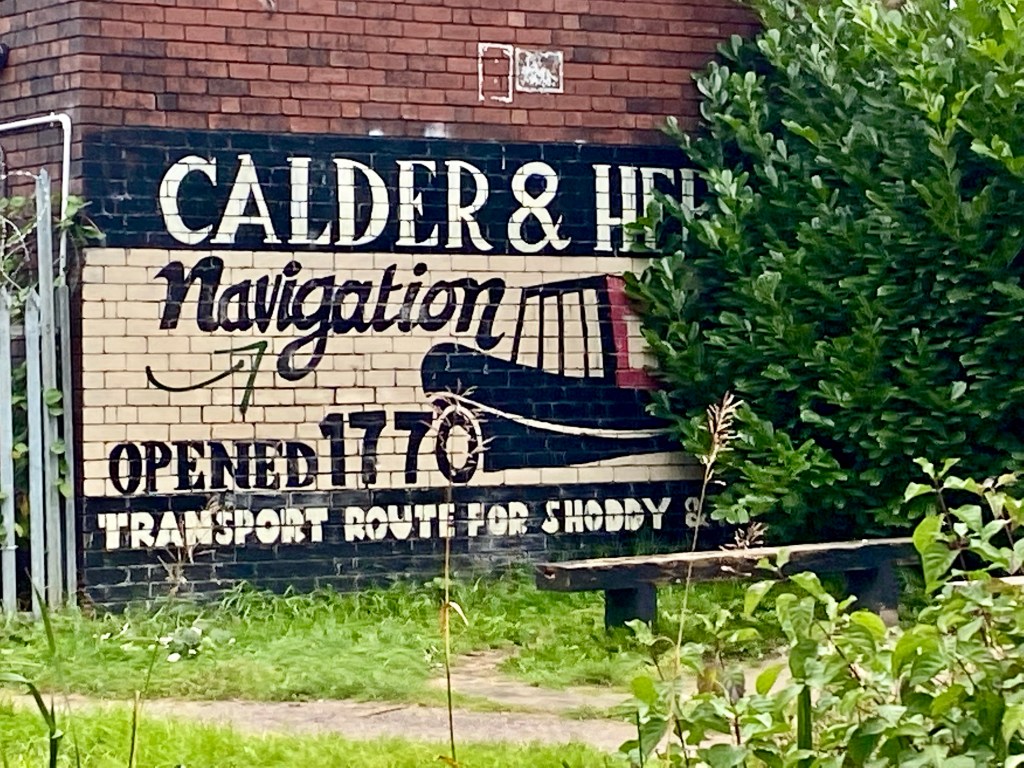
Dewsbury and neighbouring Batley were the original home of recycled textiles. Shoddy, an inferior material made from waste wool, was manufactured there and interestingly this is now being revived.
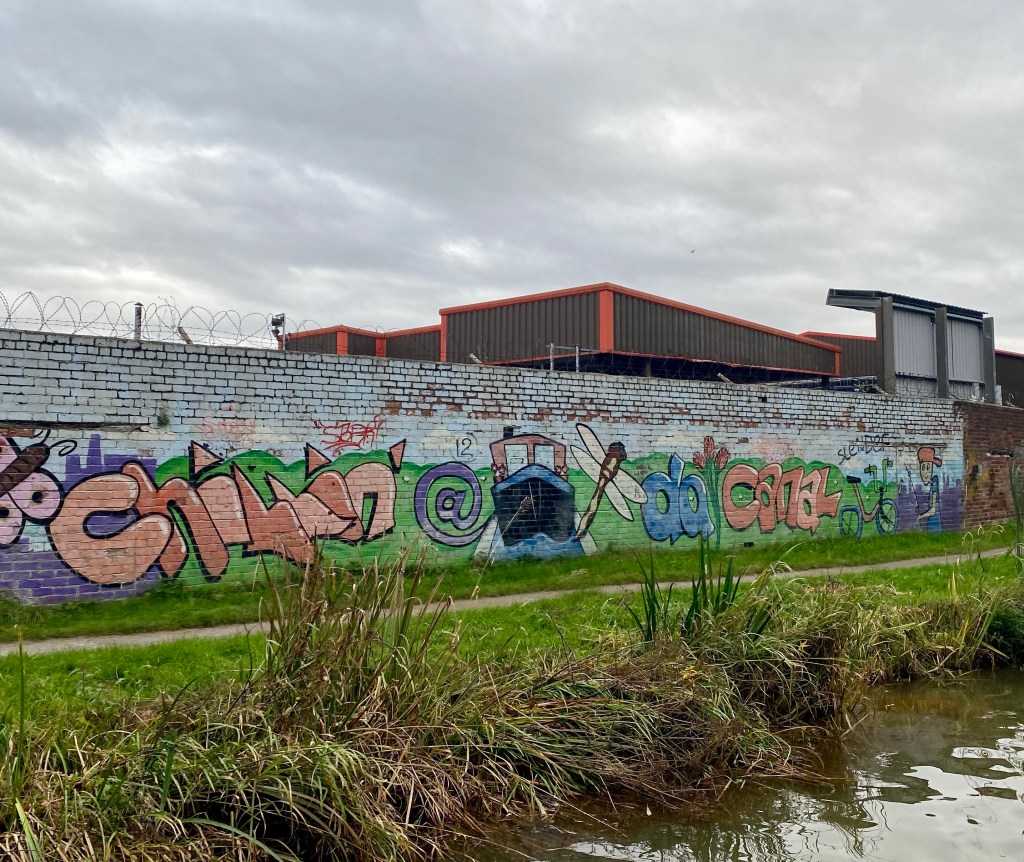
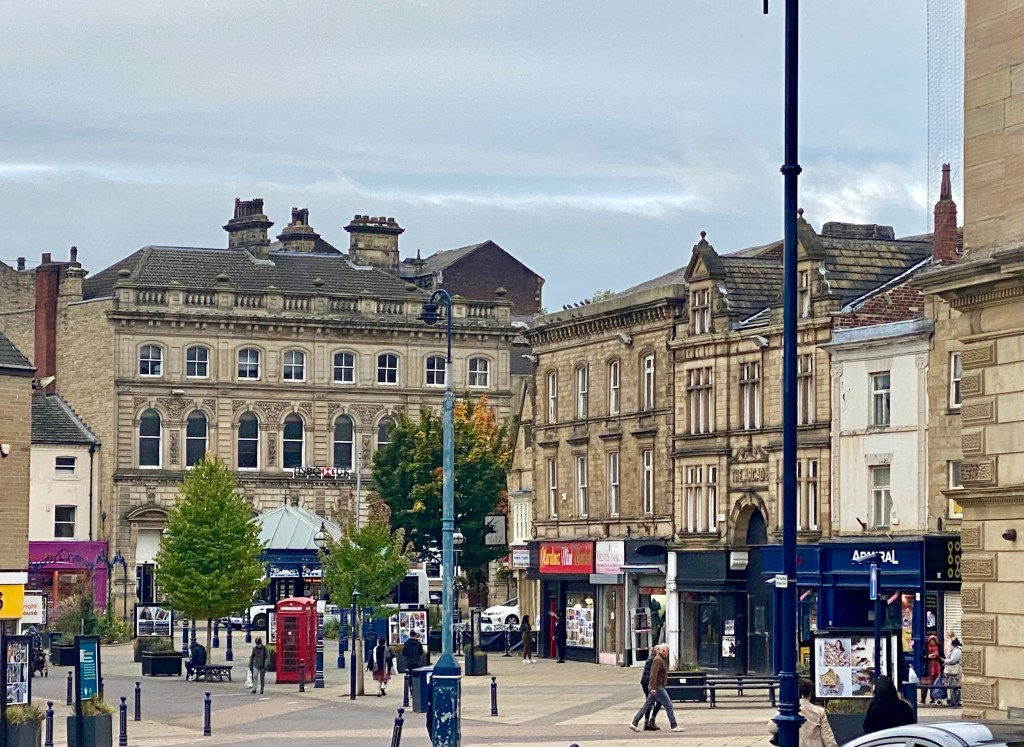
We walked the half -mile from Savile Town Basin into Dewsbury . On the far side of the basin, some girls played netball at the Madni Muslim Girls’ School. The town seemed just like anywhere else. Some people ignored us and some people smiled and nodded. There were some fine buildings too.
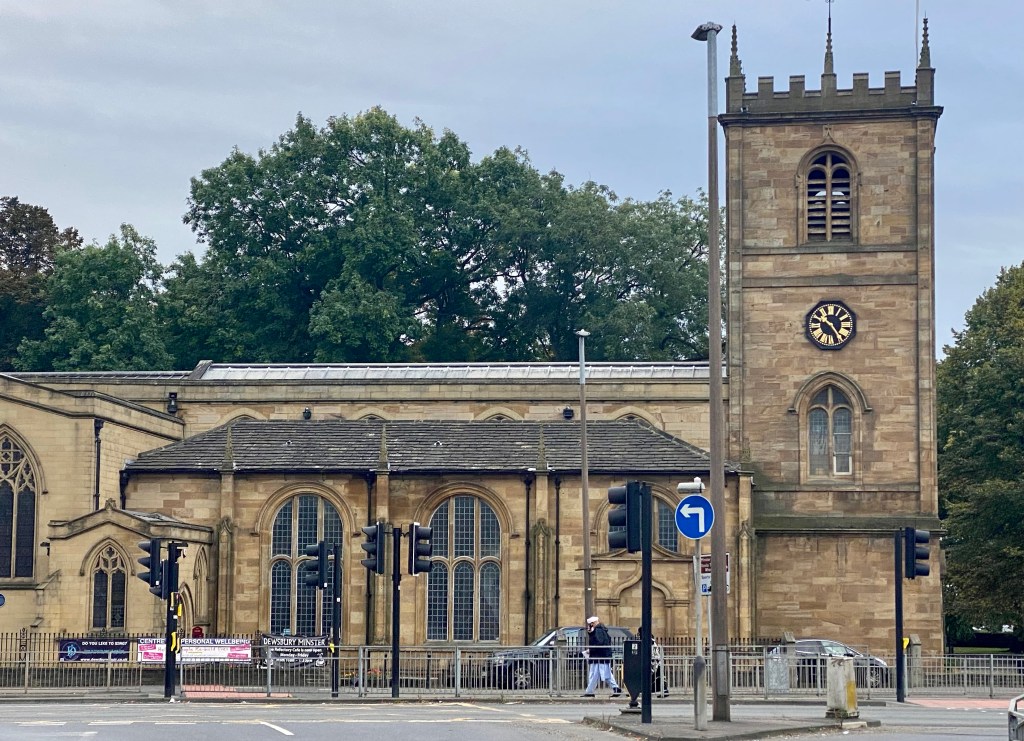
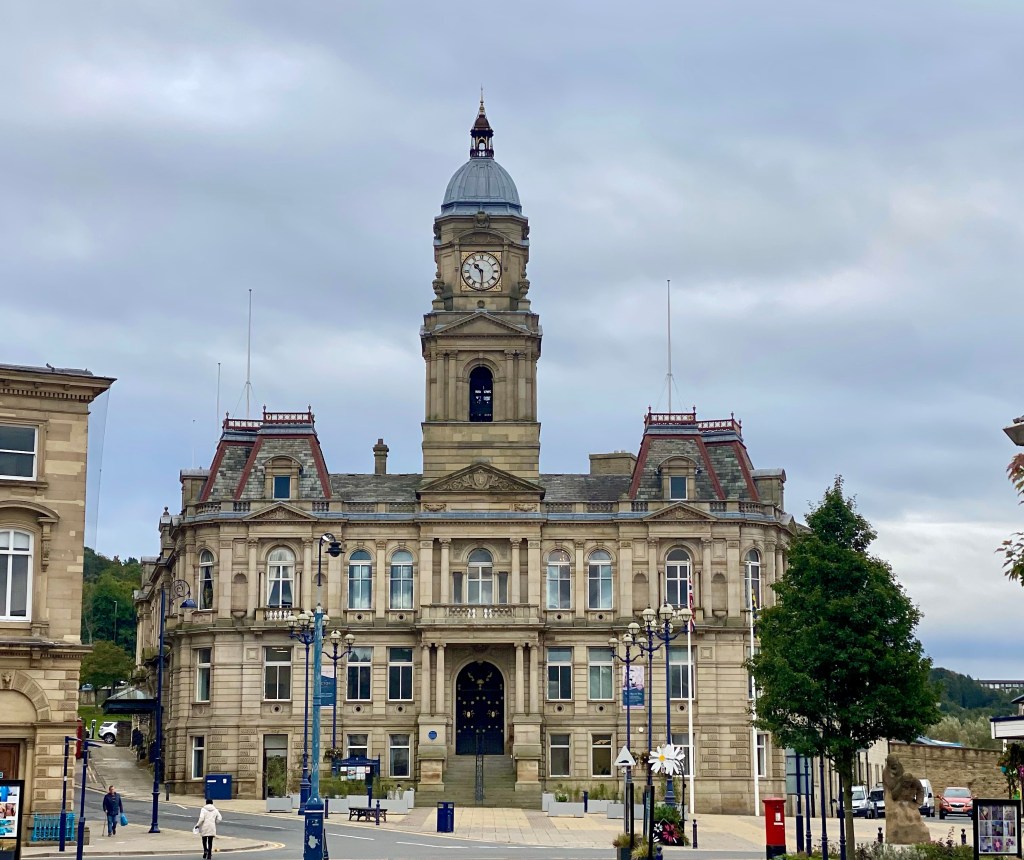
The Blue Plaque outside the Town Hall reads: ‘Built in 1888-9 of local Ashlar stone in French Renaissance style at a cost of £40,000. It housed the Municipal Offices, Court House and Police Station of the Borough Council incorporated in 1882. Designed by the eminent Dewsbury Architects Holtom and Fox, it was built by Chadwick and Sons of Staincliffe.’ Peter Sutcliffe was held there, questioned, charged, and appeared before the magistrates in January 1981 after his reign of terror came to an end.
We wandered back to the boat. Extricating Derwent Lass from the visitor moorings was even more difficult than parking her had been, because other boats had been squeezed in at such an angle that access to the area where you could wind (technical term for turning the boat round) was severely restricted. But Ian managed to execute a 12-point turn and eventually we were pointing in the right direction and on our way back to Mirfield.
We packed up the boat the next day and had lunch at Cupushi before setting off for home. Our first long distance trip had been interesting and had gone well. Ian is already plotting the next one, for Spring 2022.
 Narrowboating in Yorkshire
5 replies on “To Lincoln and Back”
Lovely photo’s Jane. Your blog is an excellent way of remembering your trip
LikeLiked by 1 person
Excellent as always! I’m going to share it with my friend Mary. It will probably leave her a bit homesick for England but she will totally appreciate your travels. Thanks Jane for the lovely trip. It helped us to get out a bit and to explore as well. Wish I could return to England some day and have a ride on the Derwent Lass with you two. Kudos!
LikeLiked by 1 person
Thanks Joann! Looking forward to seeing you next week x
LikeLike
Stunning photography, a lovely memory of your trip. x
LikeLike
Thank you Margaret x
LikeLike