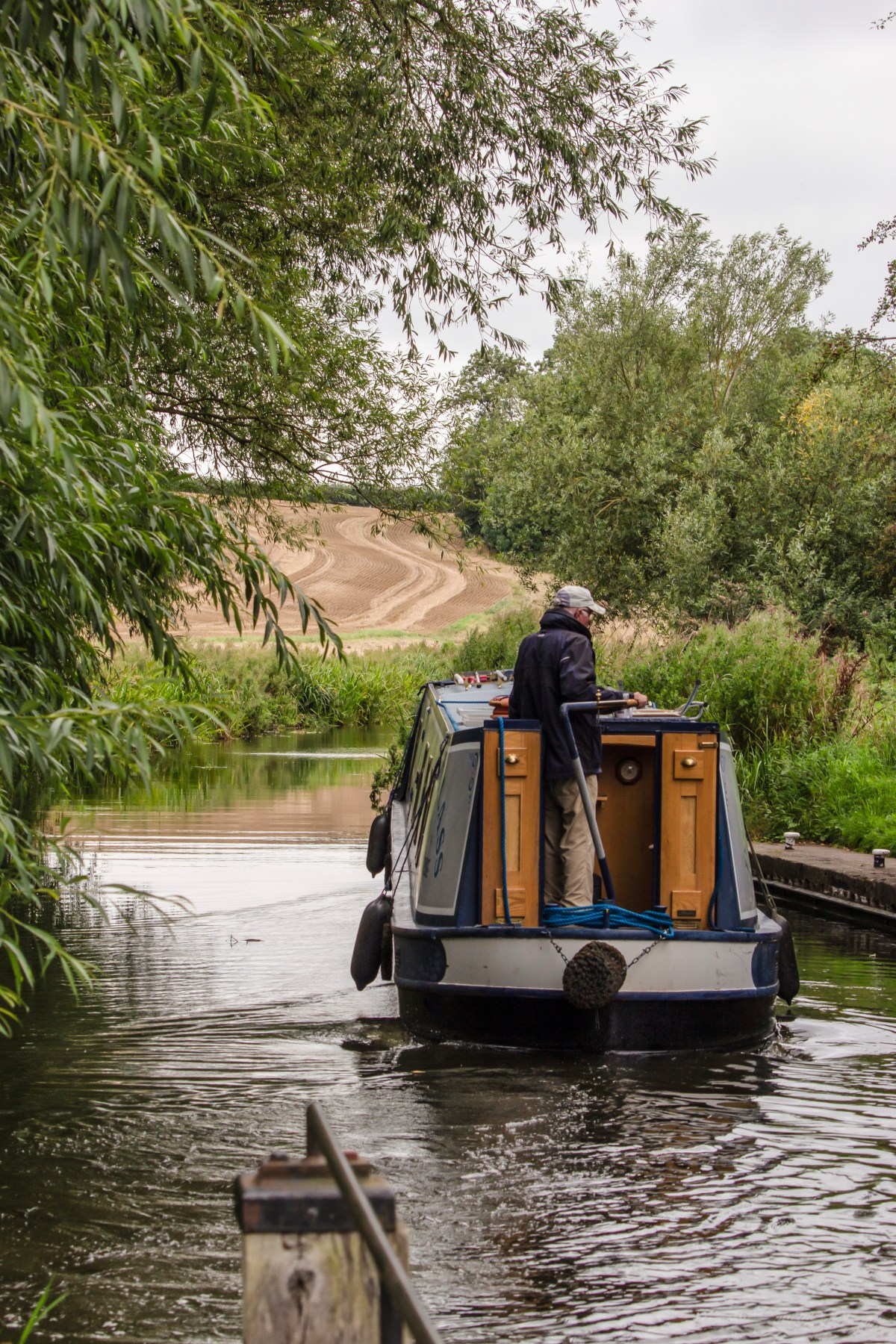
I wasn’t going to write about this part of our boating experience. We were taking Derwent Lass to Goole to have her bottom sandblasted and epoxied. It wasn’t going to be a fun trip, it was going to be work. We were on a tight schedule and there wouldn’t be time when we’d finished for the day, to mess about uploading photos to the laptop, editing them and then writing about it, as well as cooking dinner and having a shower. I was told there were to be no coffee or tea breaks, and even lunch might have to be taken on the go.
And the weather forecast was rubbish, to the extent that the heavy rain which had caused the closure of the flood locks at Wakefield and Castleford, was not only likely to continue, but meant that there was a possibility that we wouldn’t be able to get to Goole in time for our allotted slot on Monday 7th. This was a matter of no small importance, because it had been booked months ago, and if we couldn’t get there in time, we’d have to wait months for another slot.
But in a display of uncharacteristic optimism, Ian decided we would go anyway. What would happen if we got to Wakefield and couldn’t go any further, wasn’t up for discussion.
So we went, and of course I took a few photos with my phone.
We’d decided that, having been to Lincoln, to Ripon, to Sowerby Bridge, and having done the Yorkshire part of the Leeds-Liverpool Canal, it was time to move south so we could see some of the southern waterways that we hadn’t done on Scallywag.
Mirfield had become like a second home and we were sorry to say goodbye to our neighbours Colin and Monica, who had been very helpful during the time we’d been moored up alongside them. Our other neighbours Andy and Sue weren’t there, but we will miss them too, and Andy, the boatyard owner.
There was an unexpected break in the dismal weather as we set off just after lunch. The aim was to get through Wakefield and possibly as far as Stanley Ferry. The sun shone and I thought again how lovely the navigation was, sheltered by the trees from its urban surroundings and a haven of tranquillity. On the other hand, I felt little regret at the thought that later that afternoon, I would be wielding my Calder and Hebble spike for the last time.
Not quite. At Broad Cut Low Lock, some miles before Wakefield, some other boaters told us that the next flood lock was shut and we wouldn’t be able to get through. This was despite the Canal & River Trust’s website stating that there were now no stoppages.
Ian, however, wasn’t going to listen to some ‘old codgers’ (who were clearly some years younger than ourselves) and insisted on going through Broad Cut Low Lock, onto the River Calder and travelling another mile on the river, to see the flood lock for ourselves.
Surprise! The flood lock was indeed shut. There was nowhere safe to moor up and we had to turn around, go back through Broad Cut Lock and moor up there. The old codgers were gracious enough to refrain from smirking and helpfully assisted us to moor when Derwent Lass found herself facing across the canal instead of along it.
It was now after 8 o’clock and we still hadn’t had our dinner. One of the old codgers expressed the view that, in view of the heavy rain which was expected, the flood lock might not open until the middle of the following week. This observation, with the implication that we would be stuck at Broad Lock for several days with a 20-minute walk to any form of civilisation, cast a deep gloom over the proceedings.
But the following morning, we saw a couple of boats go past us, and they didn’t come back. We decided to walk up to the flood lock, a mile downriver, to check that it was indeed open.
It was.

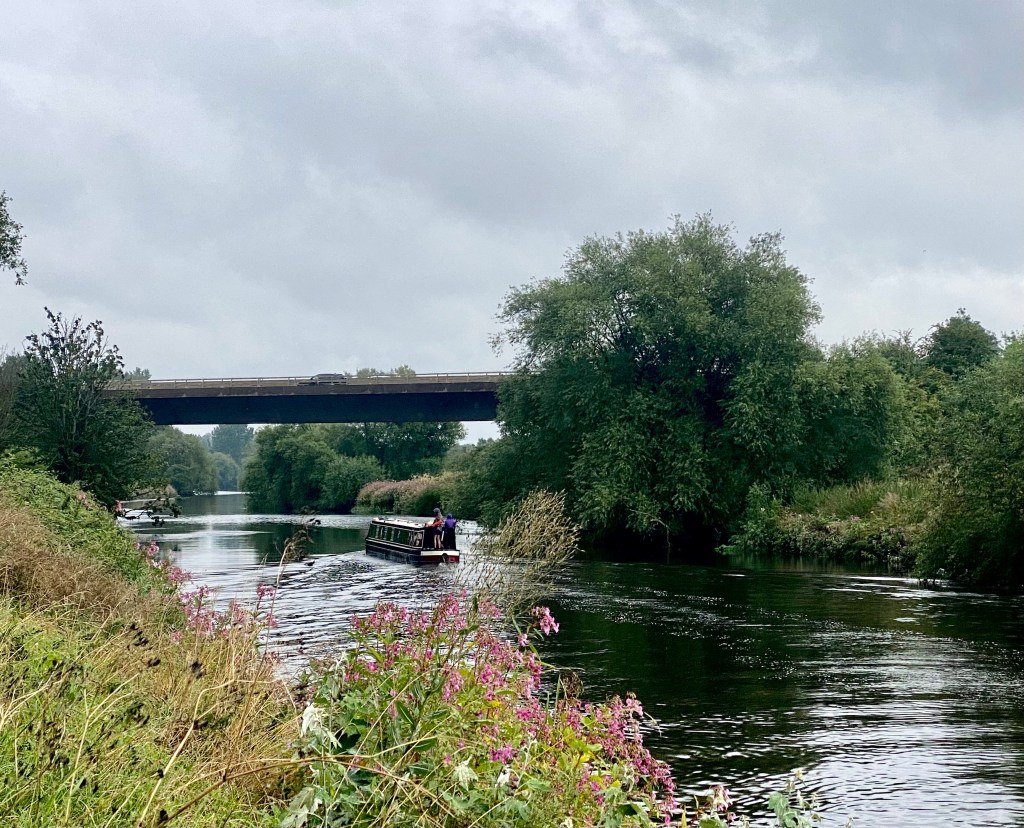

We didn’t know if the flood lock at Thornes would remain open, or be shut later on, so we hurried back to the boat and left Broad Cut in the rain.
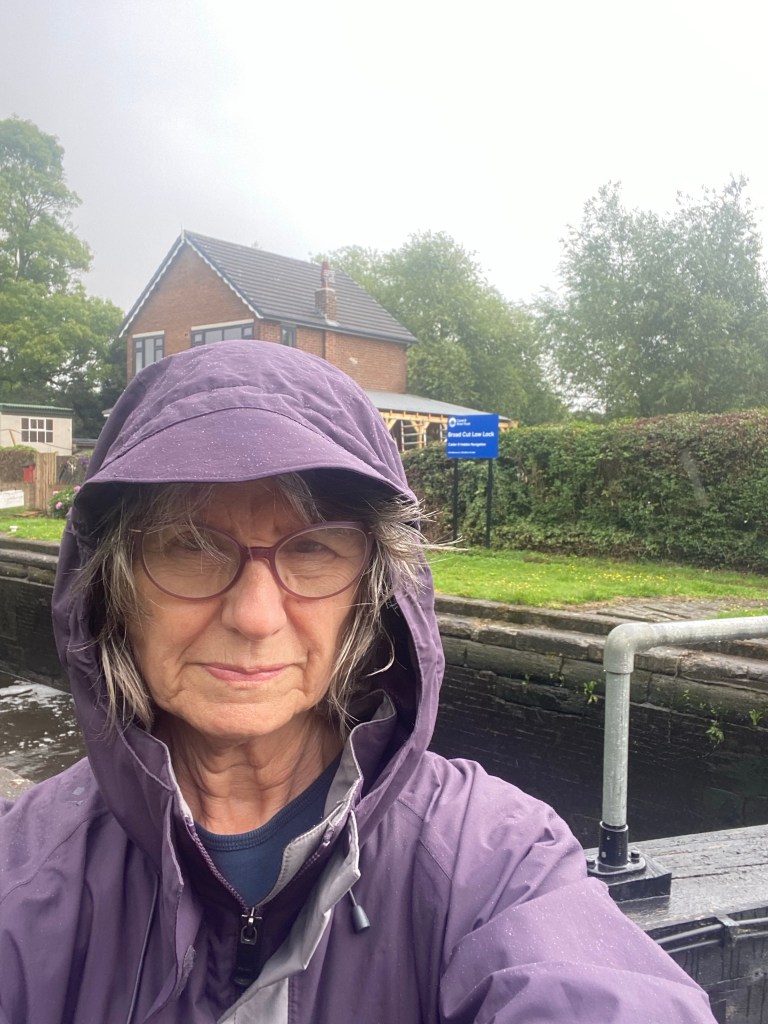
Long-time followers of my blog may remember another photograph of me taken at Barkley Lock in Kentucky wearing the same Rohan waterproof and the same facial expression in similar weather conditions.

It wasn’t long before we got to Thornes Lock, the last lock on the Calder & Hebble where the spike is needed to lift the paddles.
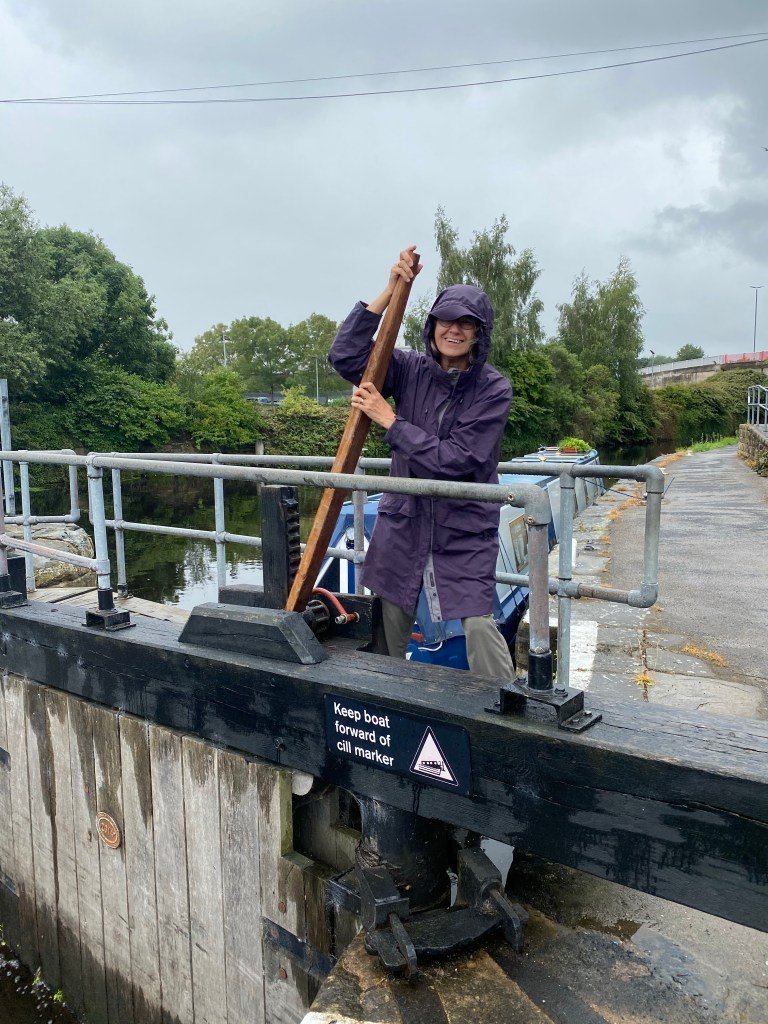
We made good progress and stopped for the night at Castleford.
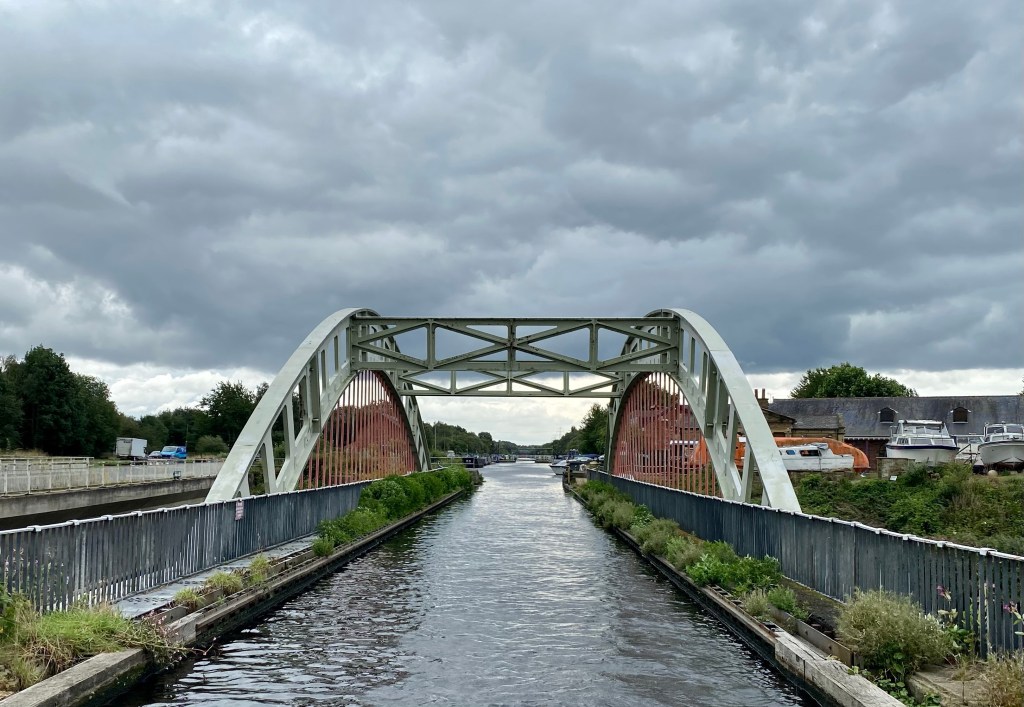
We woke to blue skies and sunshine. Beyond Bulholme Lock, just outside Castleford, the River Aire widens as it travels through Five Mile Pond, an area which was once home to collieries and became derelict, but is now being restored to a natural state.

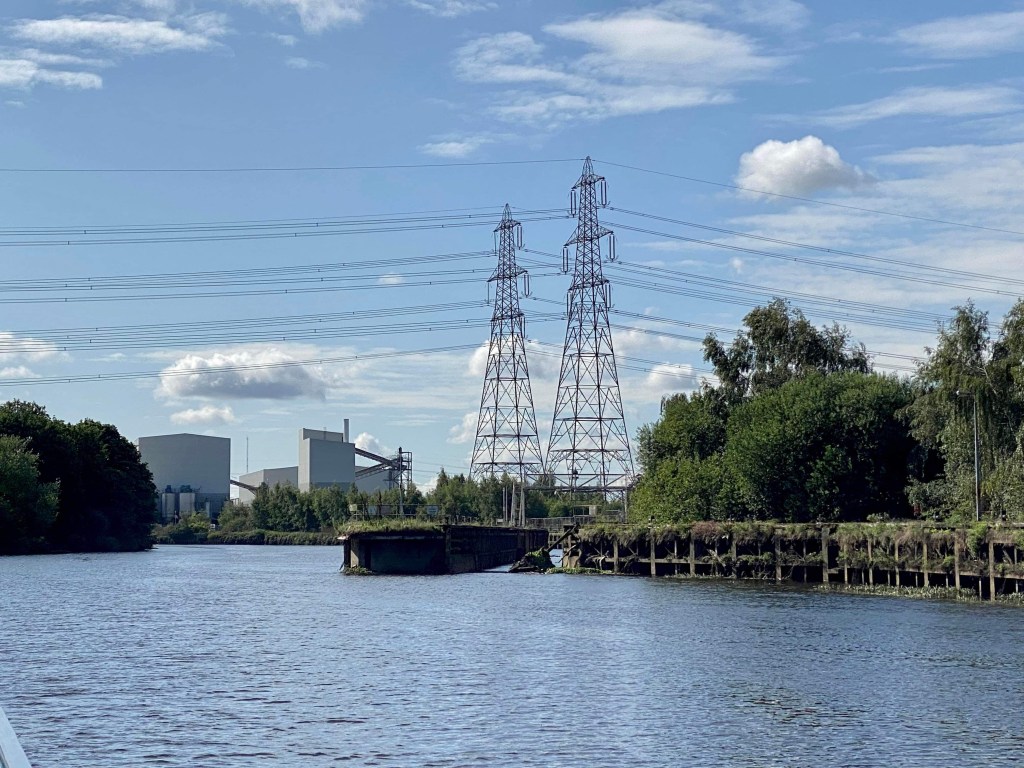
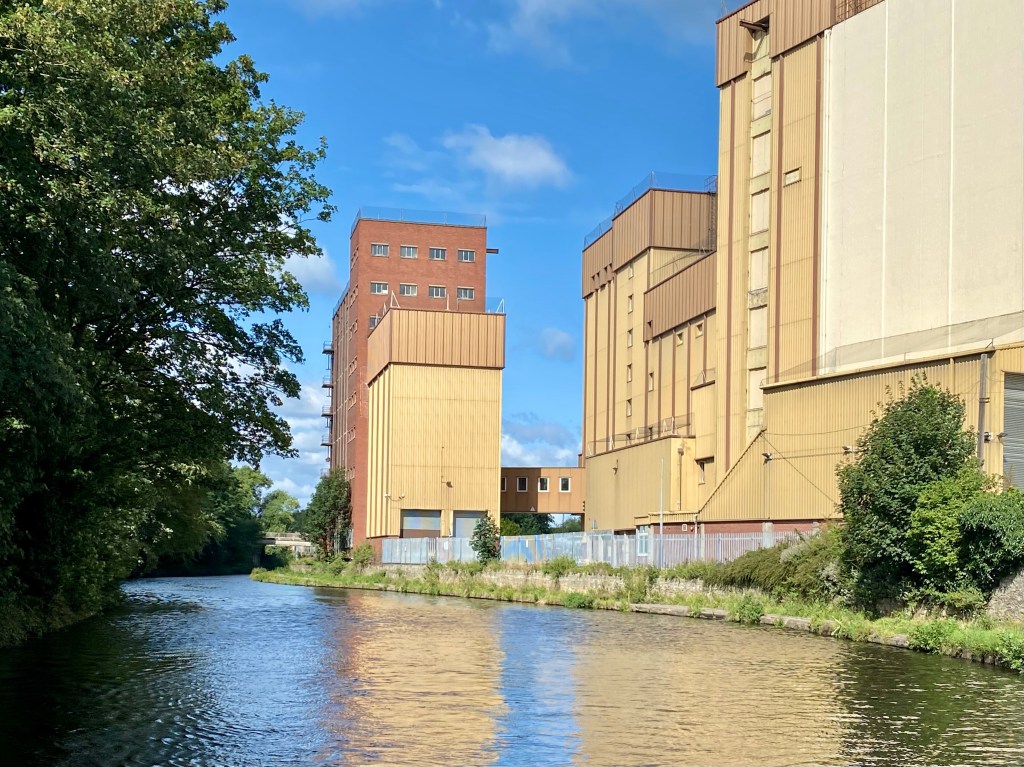
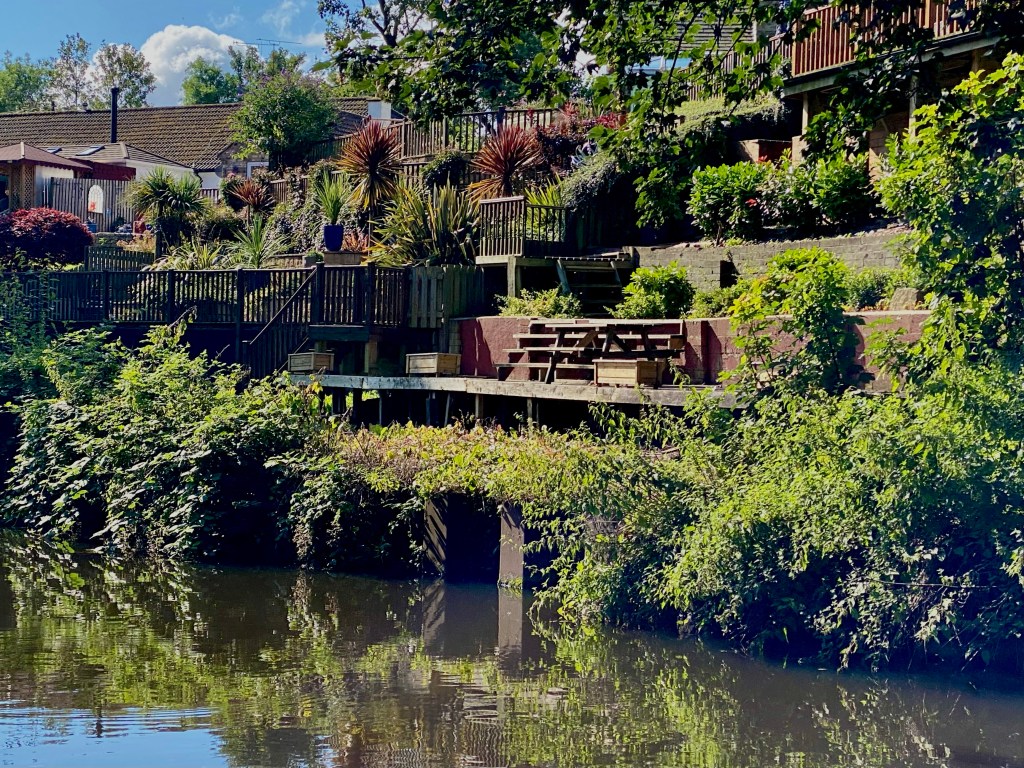

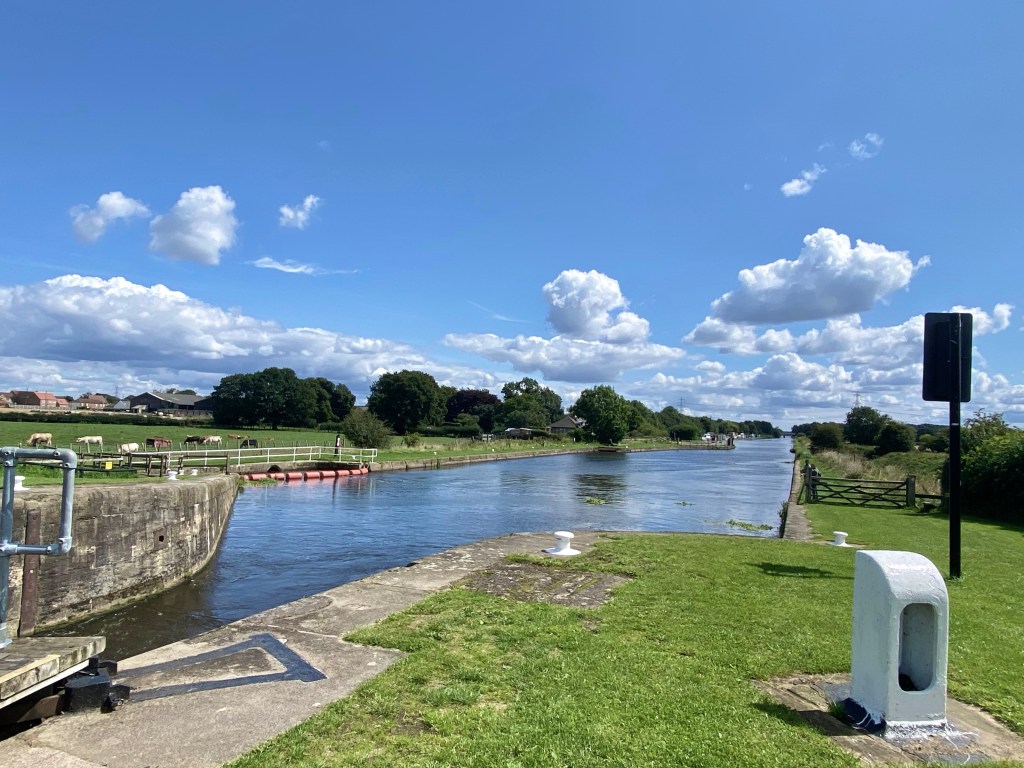
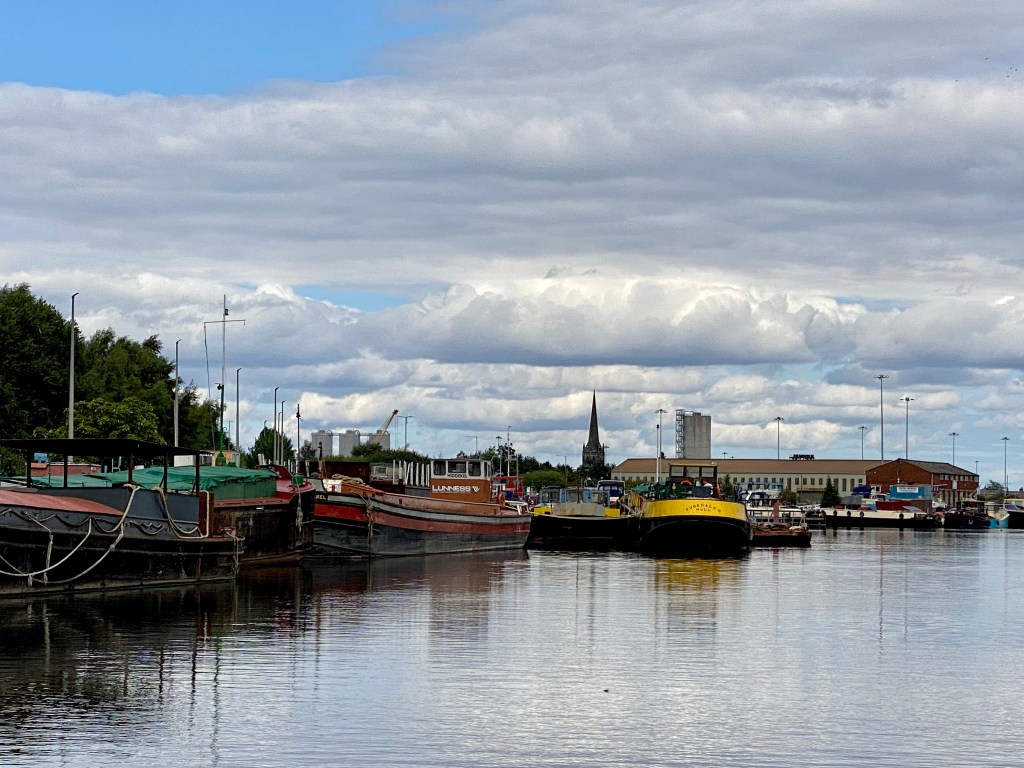
We’d made it. The next morning promptly at 8 o’clock, Dave, the boatyard owner, rapped on our window and said it was time to move Derwent Lass round to the dock so she could be transferred to the dry dock to have the work done.
Ian stayed on in Goole for a few days to inspect the works, while I went home on the train to sort out the house in the wake of the Big Family Visit which had seen all our family together in one place for the first time in 11 years. I returned a week later, unsurprisingly in dismal weather, to start our journey to Cheshire.
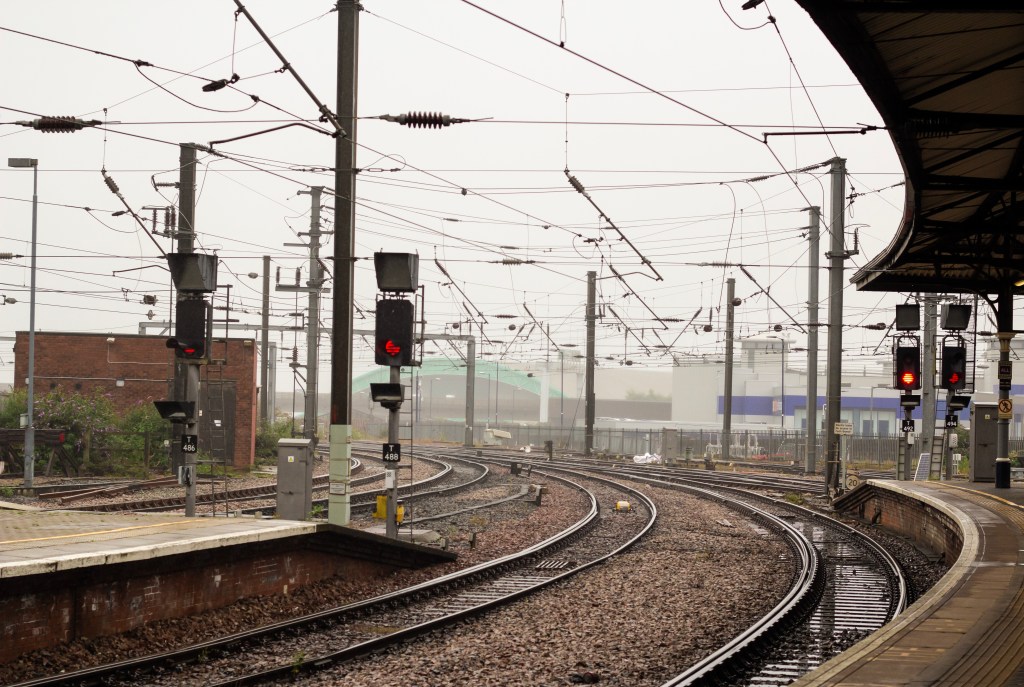
Tuesday August 15 2023
Goole to Stainforth
We had a plan. It was decided that we would go south via the River Trent and take in the Chesterfield Canal.

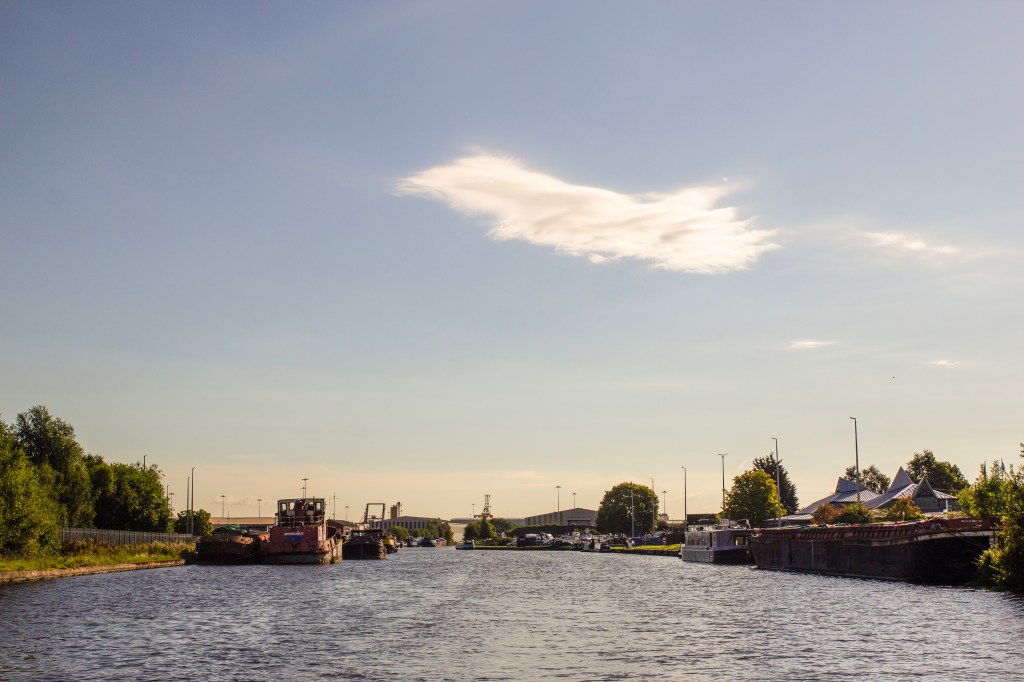
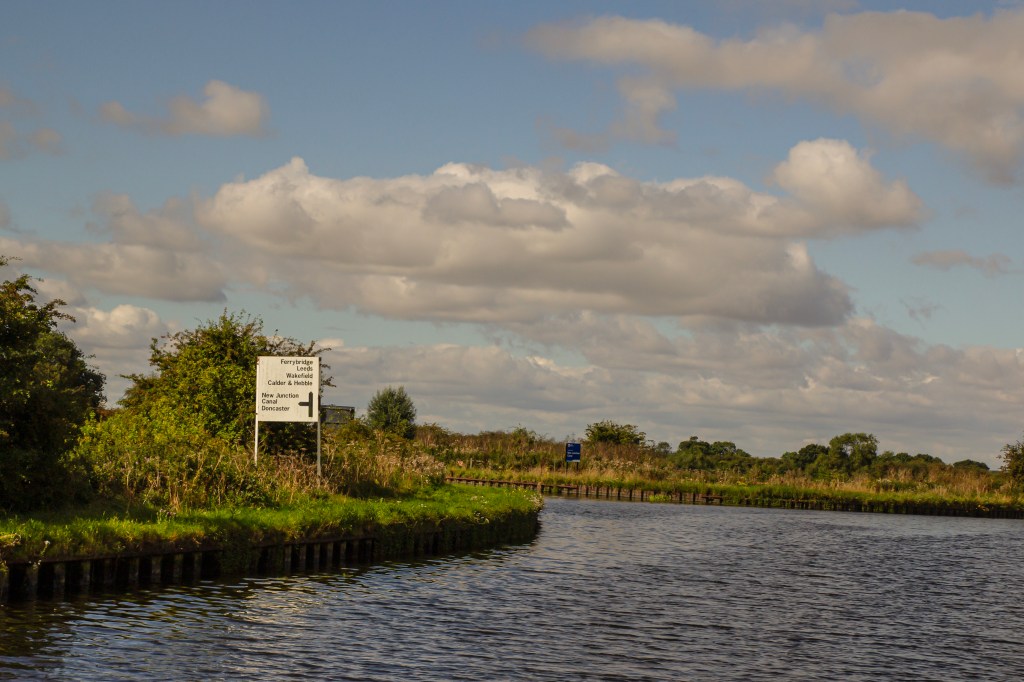
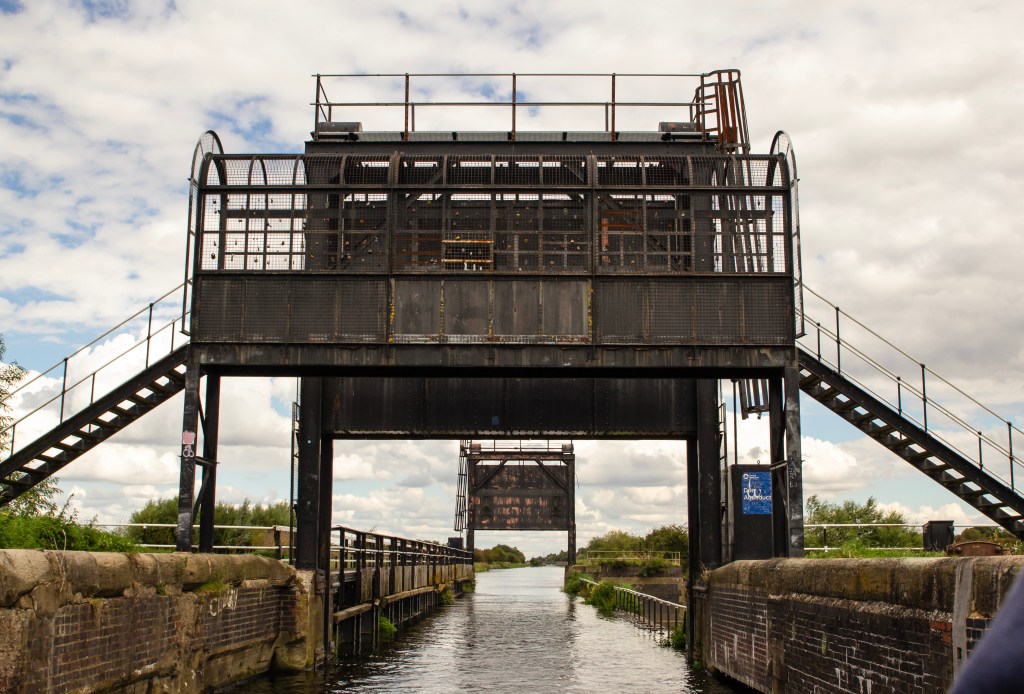
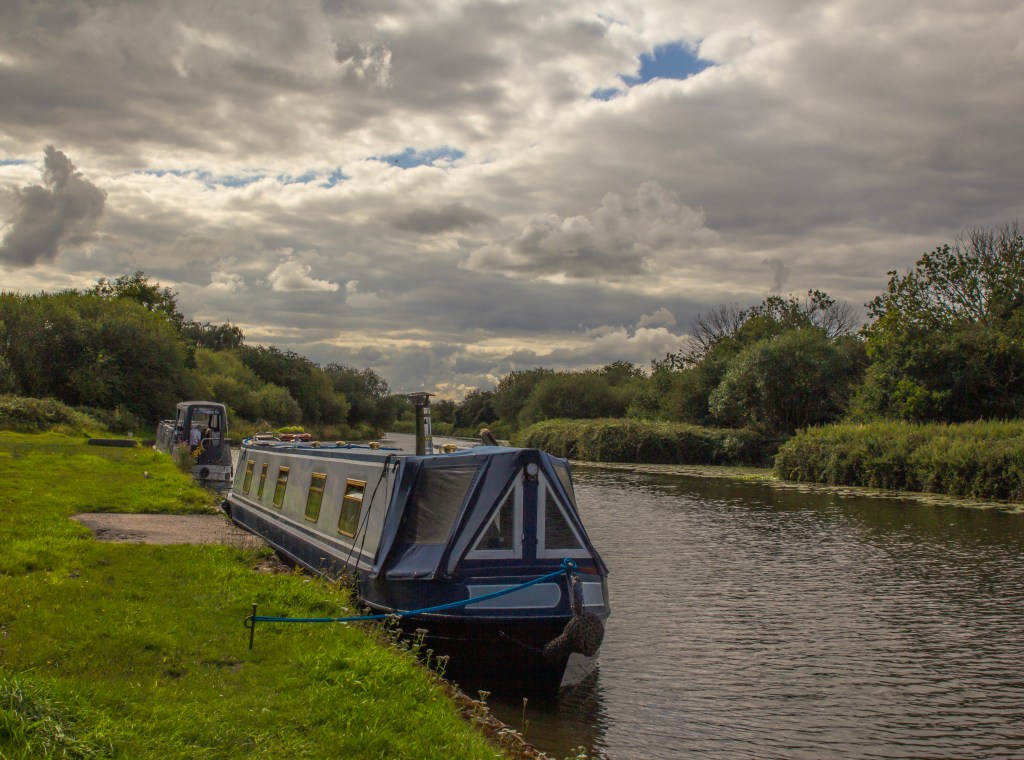
We left Goole at 8.30 in pleasant sunshine, which compensated for the tedium of the long, straight stretch of the Aire and Calder between Goole and the New Junction Canal, which leads ultimately to Sheffield. But after crossing the Don Aqueduct, we took a sharp left onto the Stainforth and Keadby Canal, and moored up just beyond Stainforth.
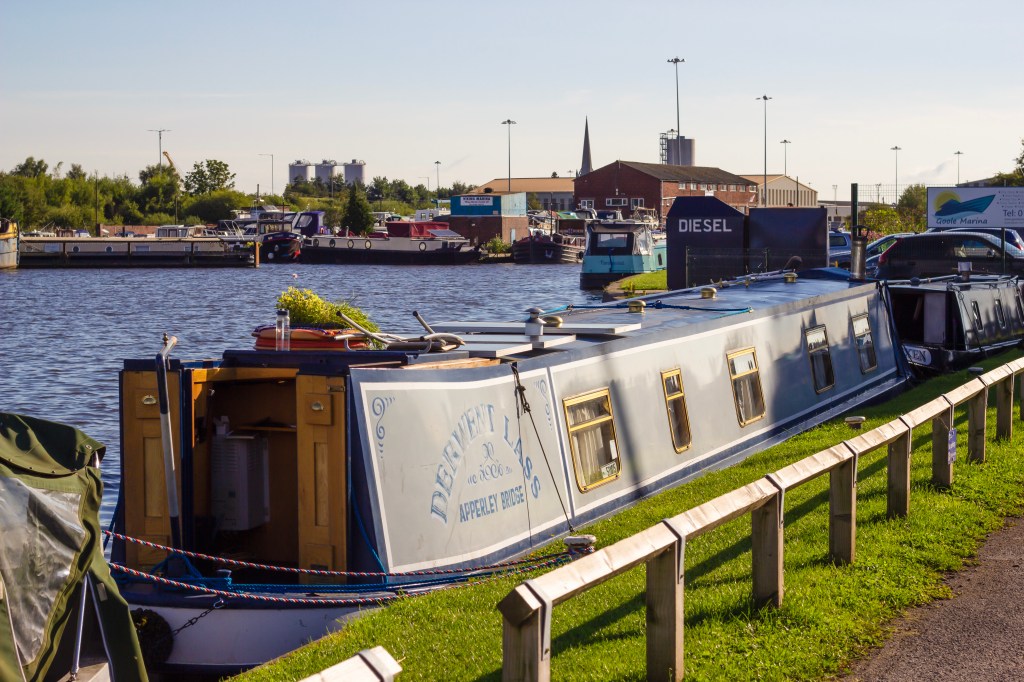
Wednesday August 16 2023
Stainforth to Keadby
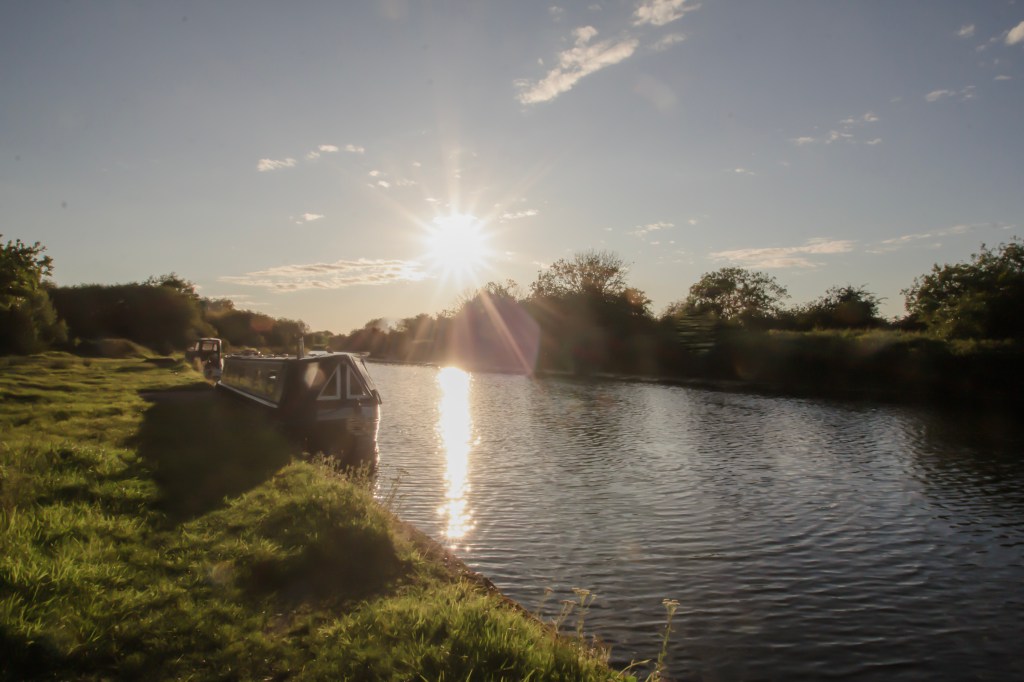
We had a pleasant cruise along the Stainforth & Keadby Canal, with only minor irritation at the lift and swing bridges, which are clearly designed to test boaters’ intelligence, with their varying modi operandi, and occasionally, difficulty in locating the little box from which the opening and closing mechanism can be put into action.
But the sun shone. and Keadby Power Station looked almost Taj Mahal-esque in its position at the end of the canal.

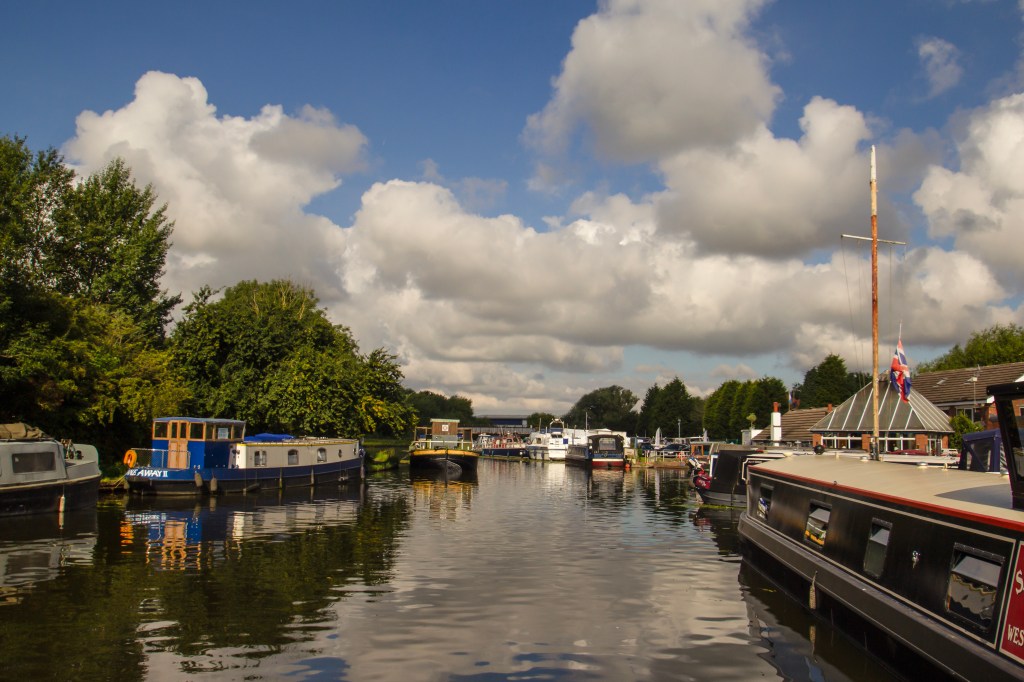
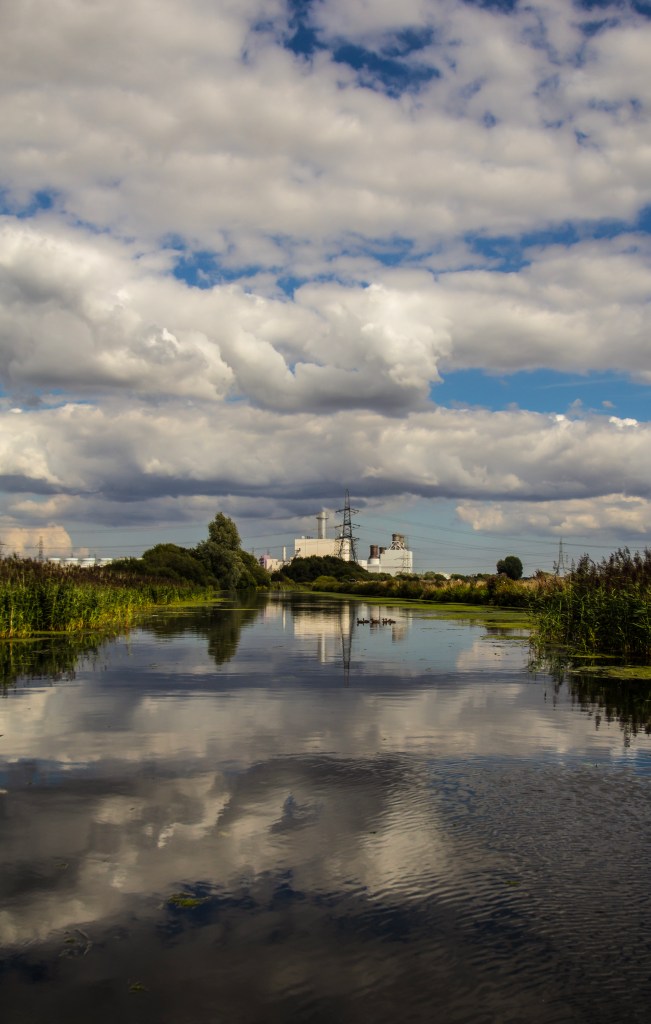
At Keadby, where you get on the Trent, the lock openings are strictly controlled to fit in with the tide times, both at Keadby, and further up the river at West Stockwith, where you get on the Chesterfield Canal, and Torksey. You have to tell the lock keepers when you want to travel, and they give you a slot.
Ours was for 7.45 am the following day.
Just before you get to Keadby, you come to Vazon Swing Bridge, and a few yards beyond that, Vazon Railway Bridge. The railway bridge is manned and has to be opened by Network Rail staff.
As we were grappling with the swing bridge, which proved very difficult to open, a Network Rail man approached us, and told us that he couldn’t open the bridge for us because it was too hot. We looked at him open-mouthed, and he embellished this information by saying that were he to open the bridge, he wouldn’t have a job the next day. For the bridge to be opened, the temperature of the bridge has to be below 26C for a period of 12 hours. It had just exceeded it.
So we were stuck at the swing bridge not knowing whether we’d get onto the Trent the next day.
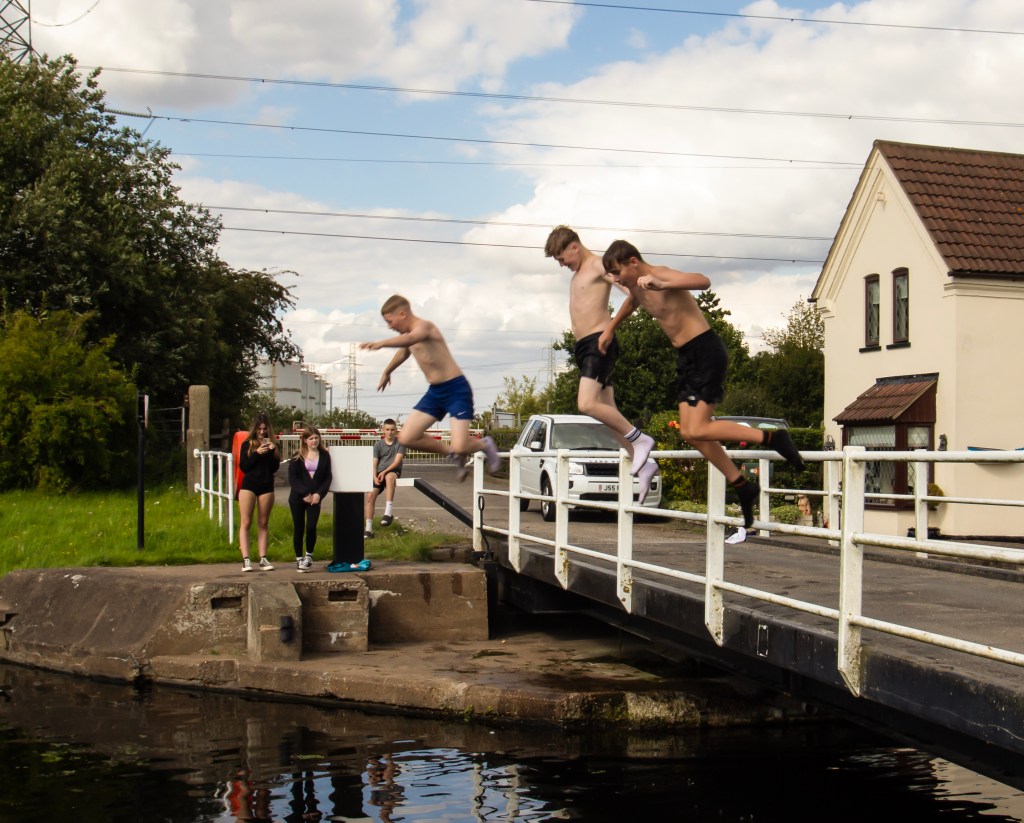
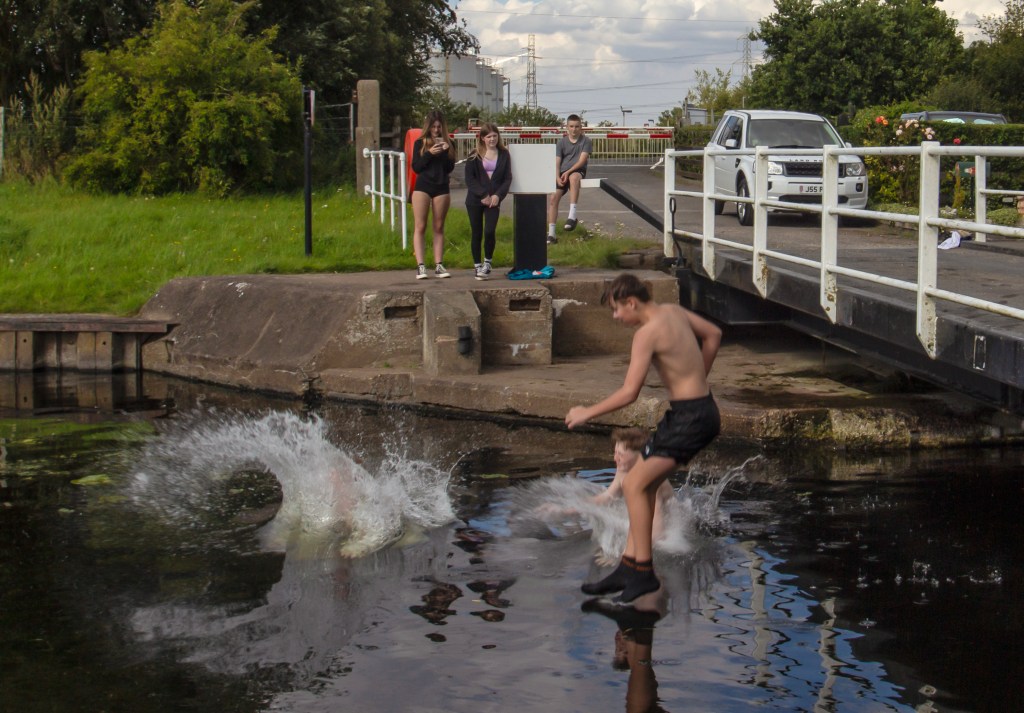
But there was a little diversion. There were a few lads showing off to some girls by leaping from the swing bridge into the canal. Ian did gently remind them that canals could be dangerous. with shallow water and an abundance of weed below the surface, but not surprisingly, they ignored his advice.
Later on I went out with my camera which they immediately spotted and asked if I would take their photos jumping from the bridge. This was too good a photo opportunity to miss so my misgivings about seeming to encourage these daring exploits were brushed aside.
Later Ian decided to try to move Derwent Lass to the other side of the swing bridge, and moor just behind the railway bridge, so there would be no delay if indeed the bridge could be opened in the morning.
To our surprise it opened easily, possibly as a result of the air now being cooler. The mooring bollards were next to a private house and it was only after we’d tied the boat up and I was ready to resume cooking the dinner, that I noticed the ‘no overnight mooring’ sign. We decided that as it wasn’t an official Canal & River Trust notice, we would ignore it.
Thursday August 17 2023
Keadby to Gringley on the Hill
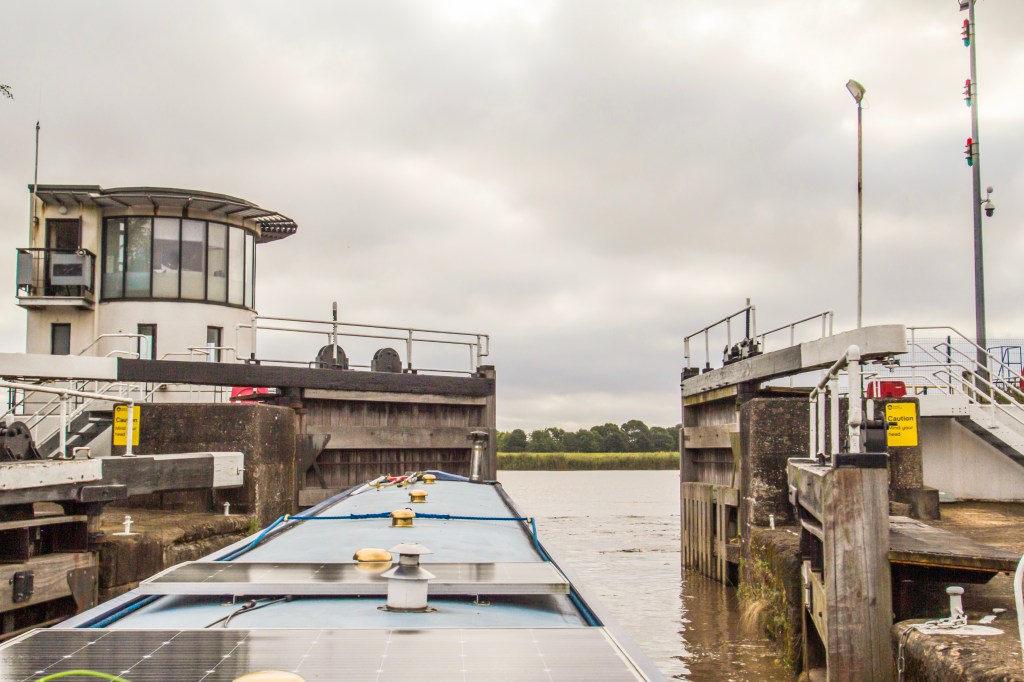
We did get through Keadby Lock after all. Network Rail Man had left a note for his colleague who was going to be on duty at 7o’clock, to the effect that we needed to be at the lock by 7.45. The bridge had cooled down sufficiently and we were at the lock by 7.30.
It was cool and overcast, and in contrast to the previous times we’d been through Keadby, the river was higher than the canal and going through the lock wasn’t so spectacular an experience as the first time we’d been through.
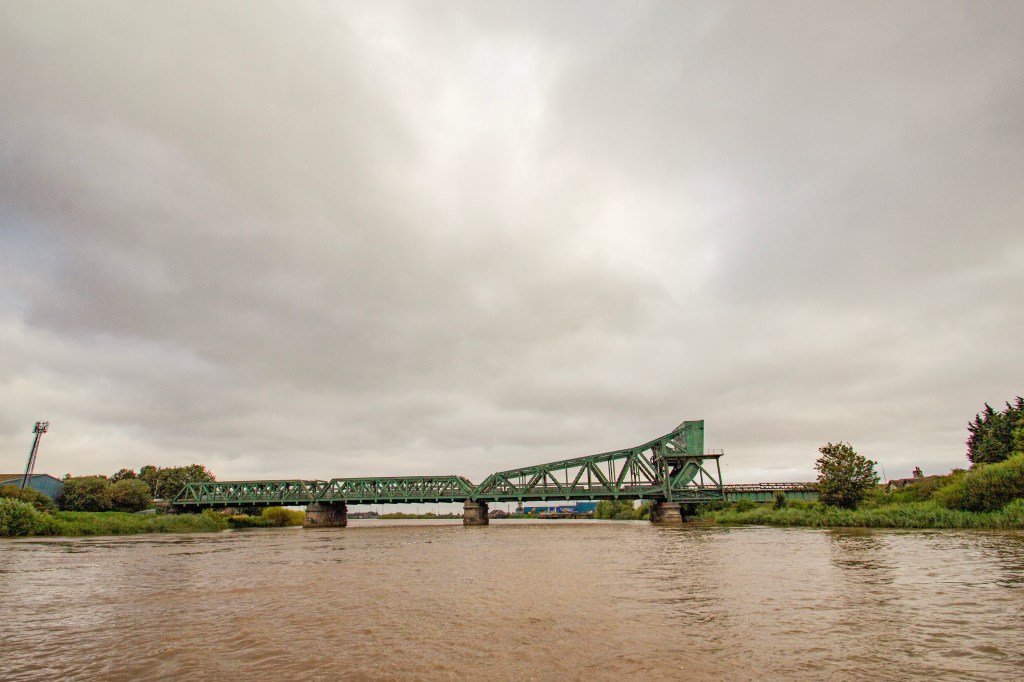
We passed under Keadby Bridge, a road and rail bridge which I was informed was a rolling cantilever. When it was first opened in 1906, not only was it the only access from the east to the Isle of Axholme, but it worked by the large tank on the eastern side being pumped with enough water to tip the bridge up and allow vessels to pass underneath.
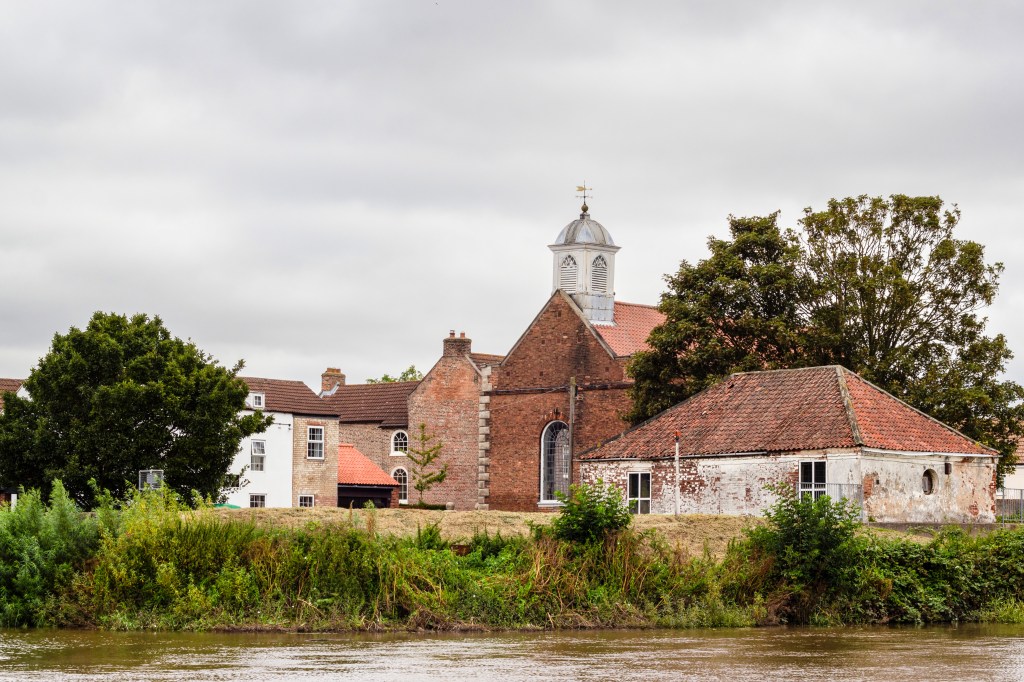
At West Stockwith, the turn into the canal is quite difficult. It’s at an unfavourable oblique angle, and if the tide is still running the boat will be carried along with it.
Ian’s instinct was to go past the lock and turn up into the tidal stream which would have slowed the boat down and made it easier to handle. But the lock keeper said it was now slack water and we’d be alright to just turn into the lock. We weren’t. Derwent Lass hit the lock wall on her port side with a quite resounding bang. In fairness, the lock keeper apologised profusely and blamed himself, while Ian blamed himself for following dubious advice. Fortunately there was no damage and most importantly, no broken wine bottles.
We were now on the Chesterfield Canal, and what a contrast to the Yorkshire canals and rivers. It’s a true narrow canal, and once we’d worked out the method of manipulating the anti-vandal mechanism (another new one) we could relax and enjoy the feeling of remoteness from the world as the canal, enclosed by trees and vegetation, winds through the countryside.
By lunchtime the sun was out and we stopped at Misterton to shop at the Co-op and the local butcher. It’s sometimes hard to tell on the waterways which county you’re in at a given point, but when I offered my Co-op membership card at the till, I was firmly told that it wasn’t acceptable because the shop was part of the Lincolnshire Co-op Society. Who knew? We could have been in Derbyshire, Nottinghamshire, or South Yorkshire for all I was aware. We took advantage of the nearby Red Hart to have a pub lunch before returning to the boat.
We pressed on in the warm afternoon sunshine, looking for somewhere to moor for the night. This wasn’t easy because the canal banks were very overgrown and also, the canal was quite shallow.

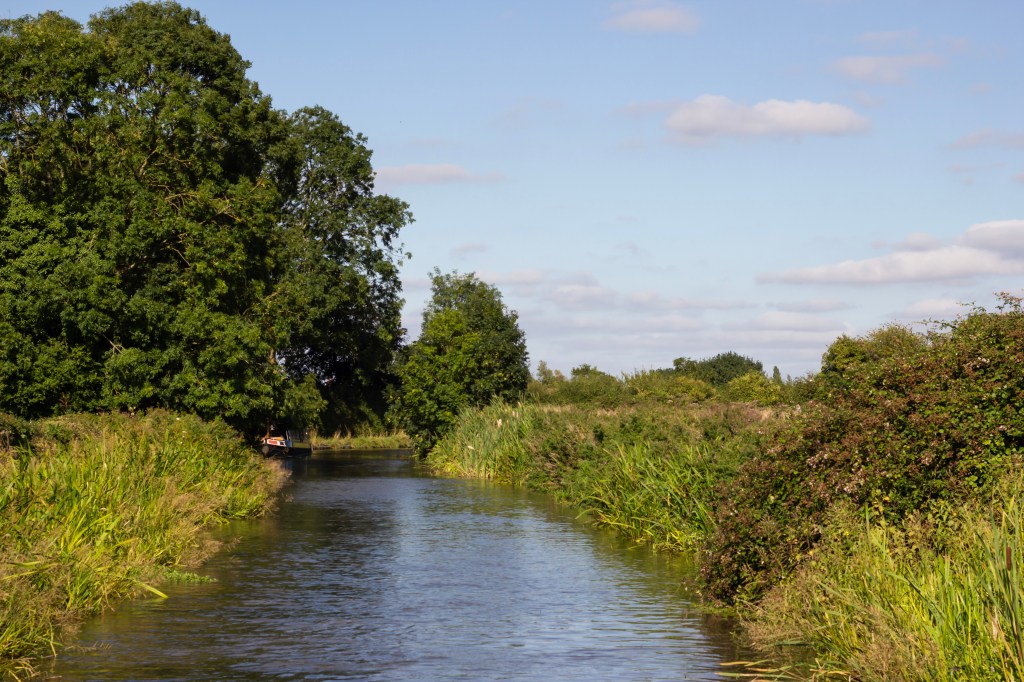

Then we hit Bridge 77, but not quite literally. Nicholson’s guide did warn us that it was the lowest bridge on the waterway, with only a 7’ clearance. It was obvious that Derwent Lass’ chimney would preclude passing under the bridge.
We had to stop so that Ian could try to remove the chimney. This was no easy task, since it was rusted onto the surrounding metal plate. There was nowhere to moor on the towpath side, and on the other side was a jetty belonging to a rather delightful house with an extensive garden running down to the water. Unsurprisingly there were notices telling boaters it was private property and not to moor there. But after Ian had been struggling with various implements for some time, the gentleman of the house appeared and invited us to moor on his jetty. This made things easier, and a sharp blow with the Calder and Hebble spike was enough to dislodge the chimney.

It was now fairly late, and there was nowhere obvious to tie up for the night. Then we spotted some bollards in the long grass and the familiar blue and white signage of the Canal and River Trust. Visitor moorings! They weren’t listed in the guide or in the website, but a welcome sight nonetheless.
Friday August 18th 2023
Gringley to Drakeholes
For once we had a quiet, relaxing day with no mishaps or untoward occurrences. It was cloudy and cool so we spent the morning doing some rather overdue deep cleaning. Then after lunch we decided we really should make a bit of an effort so roused ourselves to do two miles and two locks.
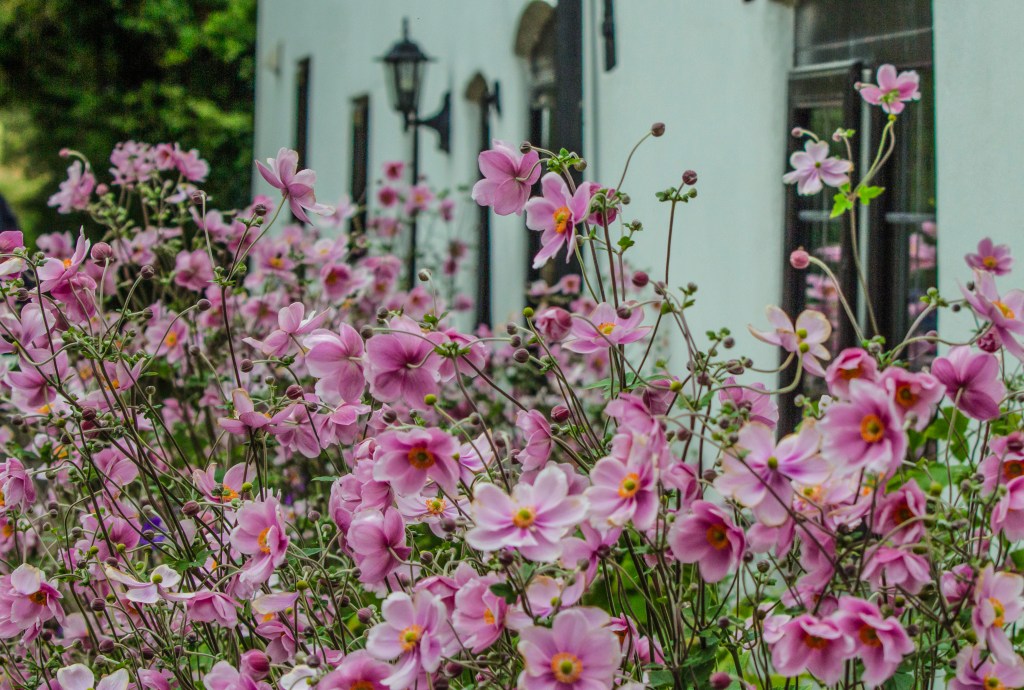

After the short tunnel at Drakeholes there are some attractive visitor moorings and we tied up there for the night.
Saturday August 19th 2023
Drakeholes to Retford
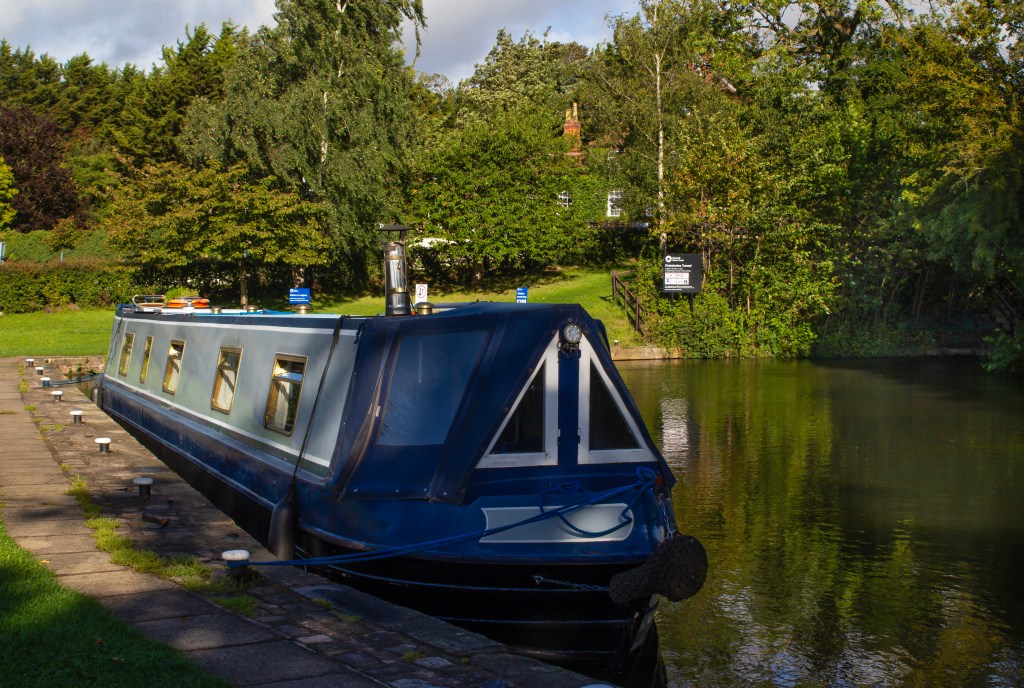
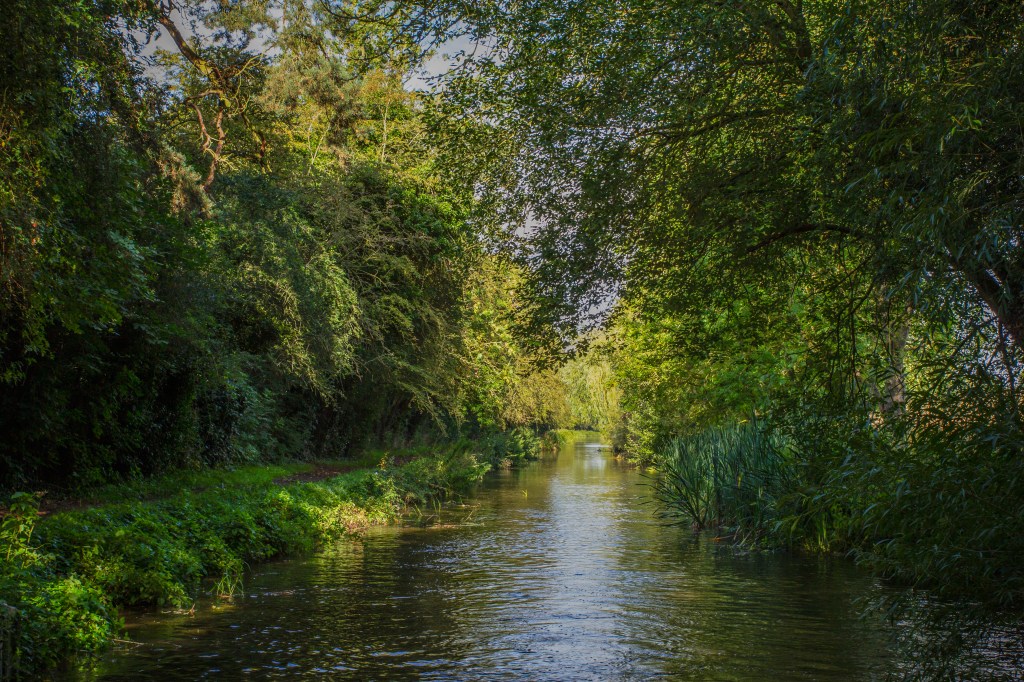
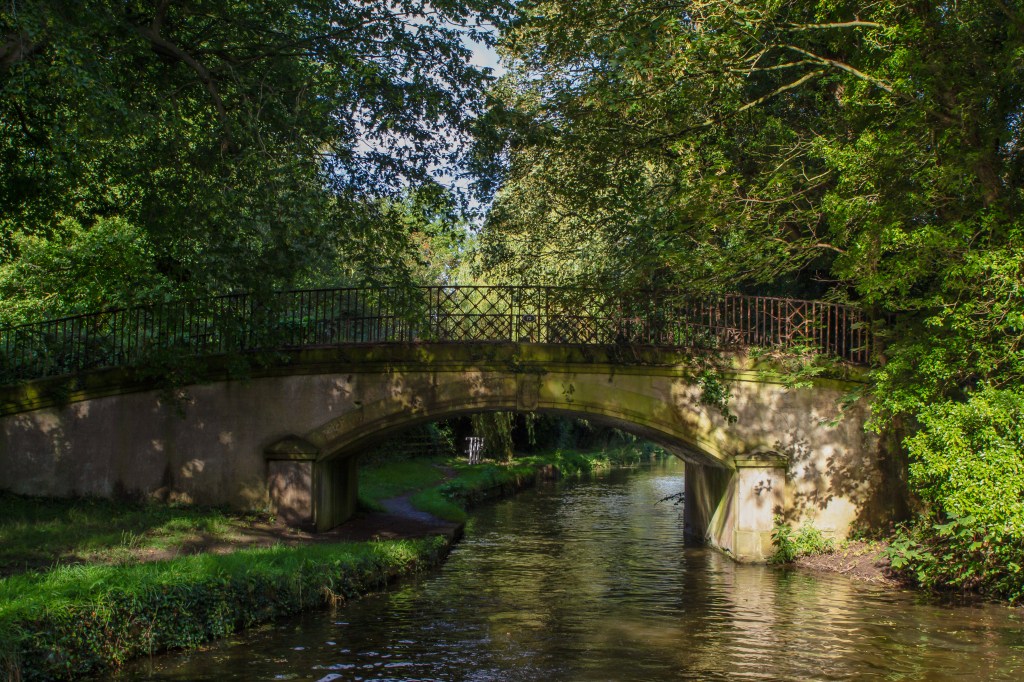
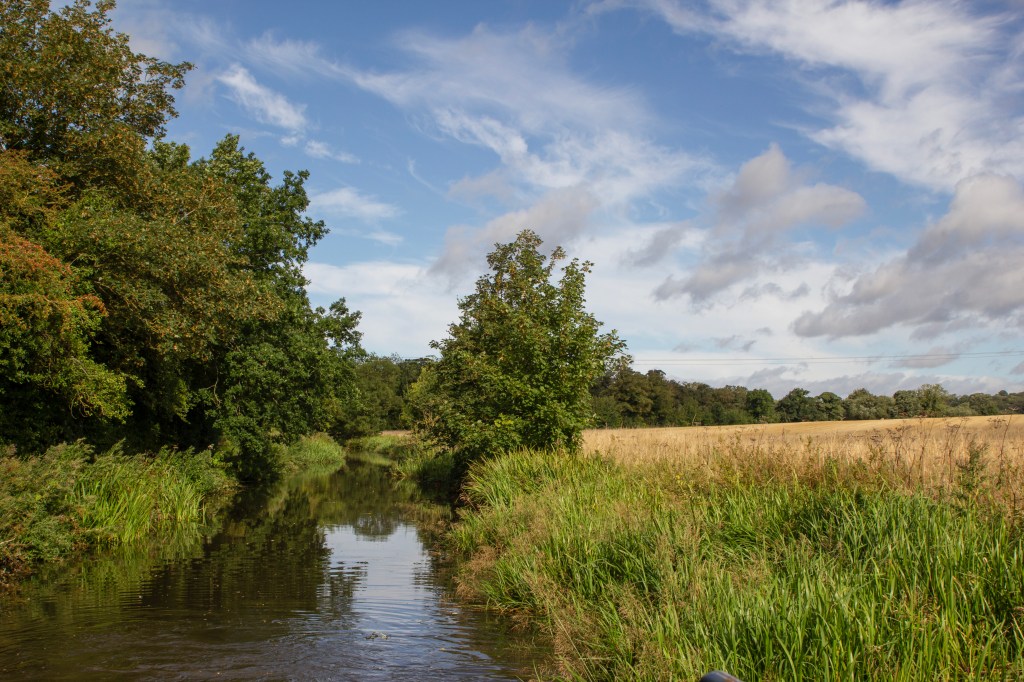


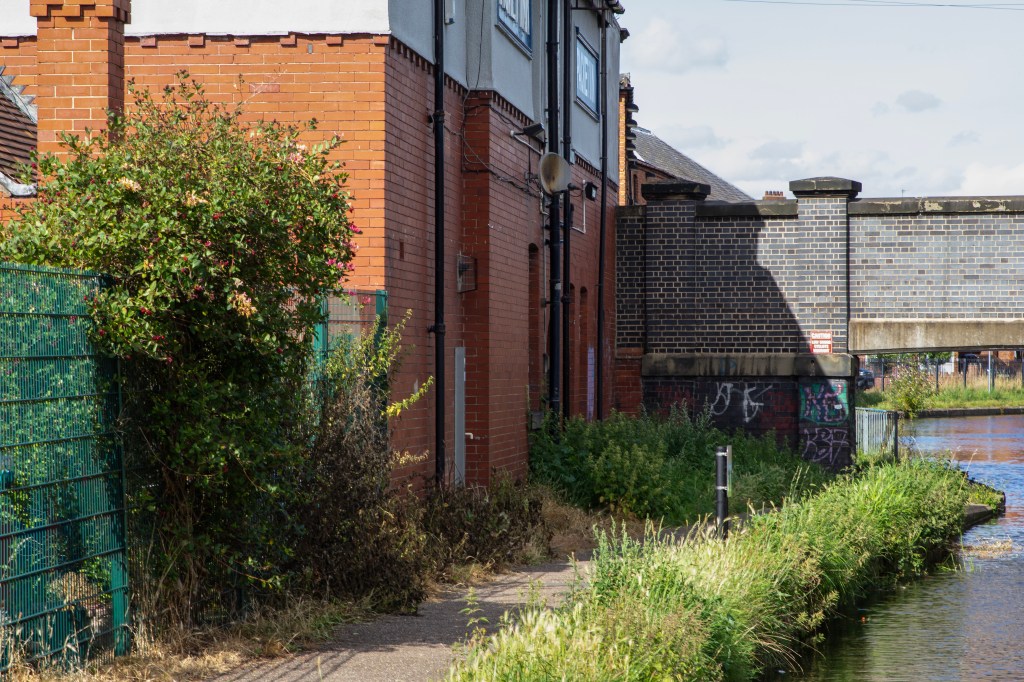
Retford Town Lock was the first narrow lock ( wide enough for one narrowboat only) that we’d been through for many years.
The paddles were easy to lift and the gates opened with ease. Then, Derwent Lass got stuck trying to get into the lock. A kindly fellow boater who was moored up in the basin shouted to Ian that our fender was stuck – it had been so long since we’d been in a narrow lock that we’d forgotten about the necessity to lift the fenders to allow the boat to pass through the gates.
We’d been warned not to moor overnight in Retford, and although it appeared to be a quite innocuous place we travelled a little further on before stopping for the night.
Sunday 20th August 2023
Retford to Ranby
We took a short walk along the towpath in a fruitless search for blackberries, before setting off towards Ranby.
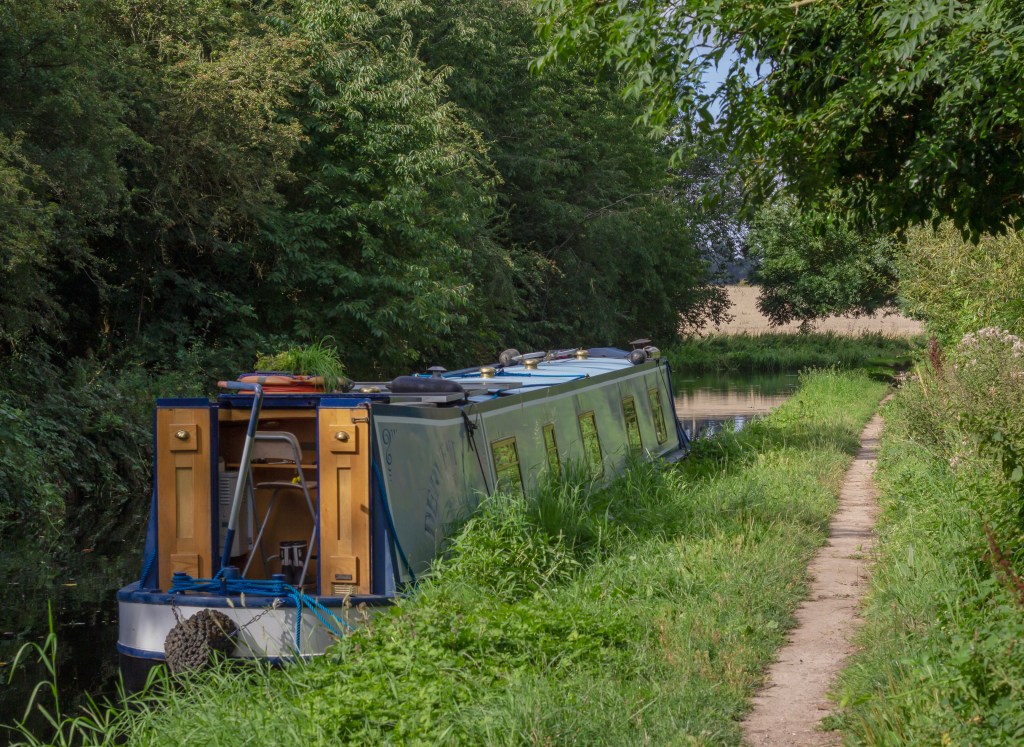
There is a flight of four locks, spaced at quarter-mile intervals, between Retford and Ranby. At Forest Middle Bottom Lock there was a wild apple tree so I gathered some while the lock was filling.

We stopped at Forest Middle Top Lock to take on water and have lunch. I went for a short walk into Barnby Fox Covert, which is part of the Babworth Estate. The estate is privately owned, but the public are allowed access. The soil is sandy and in 1950 the family decided to take the land out of agricultural use and plant woodland, using larch, beech and Scots Pine. It now hosts oak and chestnut as well.

Monday 21st August
Ranby to Osberton
Our plan to go all the way up the Chesterfield Canal was jeopardised by a blockage in the middle of Worksop. A flash flood over a year ago had caused a land slip into the canal. A legal argument between the owners of the wall and the C& R Trust meant that no work had been done to remove the partial blockage. Passage through involved booking an appointment 48 hours in advance so that the boats could be handed through. We weren’t sure what that actually meant, and appointments were available only on Wednesdays and Fridays.
Ian thought if we went through on Wednesday, we could go up to Shireoaks and then come back on Friday and still keep to our timetable. This meant not doing very much in the meantime, so we meandered along for a few miles, our progress impeded by large amounts of weeds which attached themselves to the prop and had to be periodically removed. Unusually for a canal, the water was crystal clear and we saw lots of fish , some quite large.
We passed the village of Scofton and the Osberton Estate, largely hidden from view. Unusually, we saw no other people along the towpath which was almost overgrown.
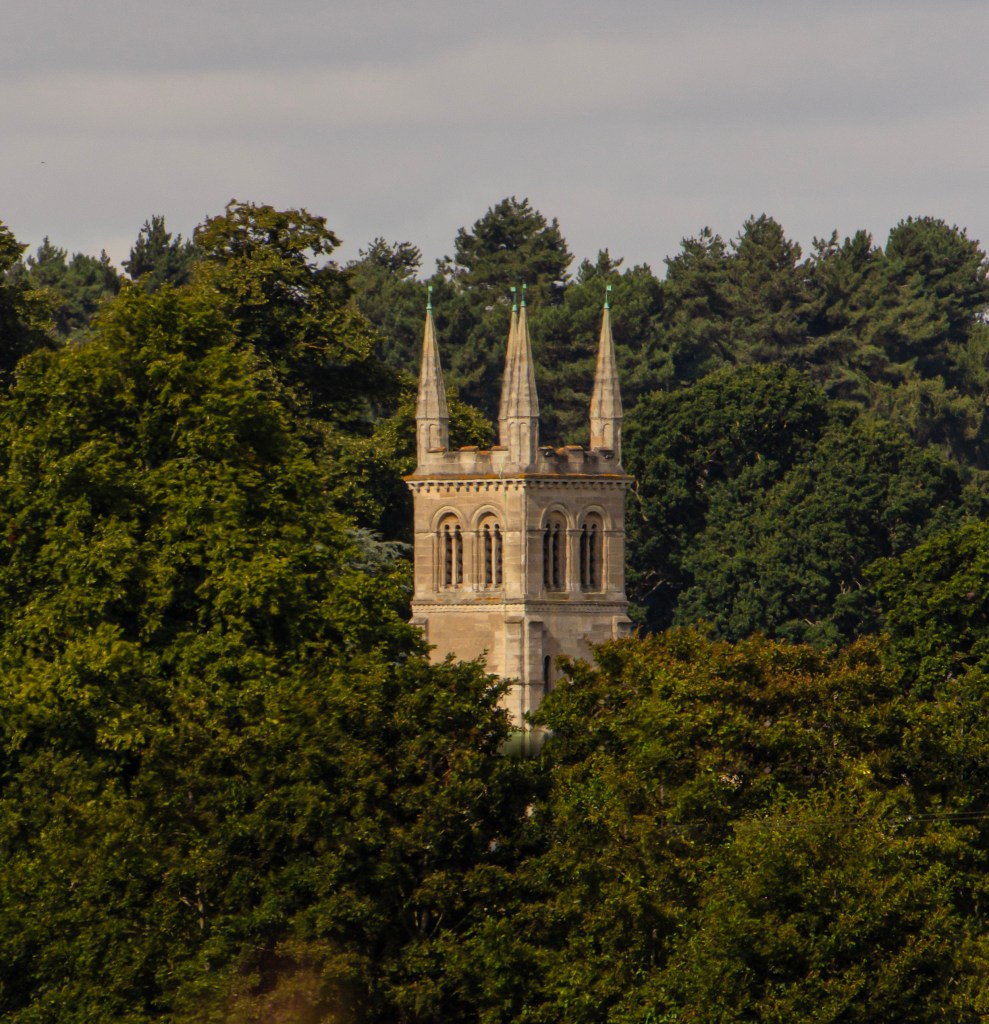
Scofton Church was built in 1833 by George Savile Foljambe, as a memorial to his wife Harriet who had died in childbirth.

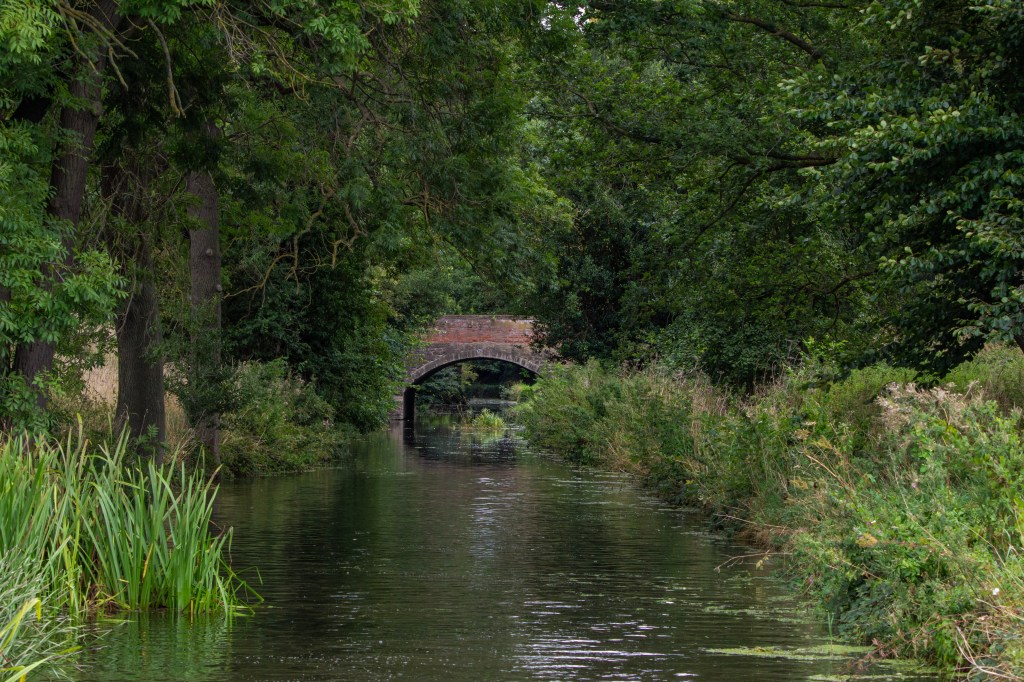
In the afternoon we went for a walk taking in Osberton and Scofton. It was all on public rights of way except for about half a mile of track which ran through Rayton Farm. We decided to take a chance, but at the start of the track was an uncompromising notice to the effect that it was private and there was no public right of way.
Undeterred, Ian found the phone number on Google maps. He spoke to a very old person, who having ascertained that there were only two of us, and we just wanted to go along the track on a single occasion, gave the necessary permission. Along the way we met a couple of farm workers who looked at us questioningly. We assured them that Ian had spoken to someone.
‘Ah well, if Jim says it’s ok, that’s fine.’
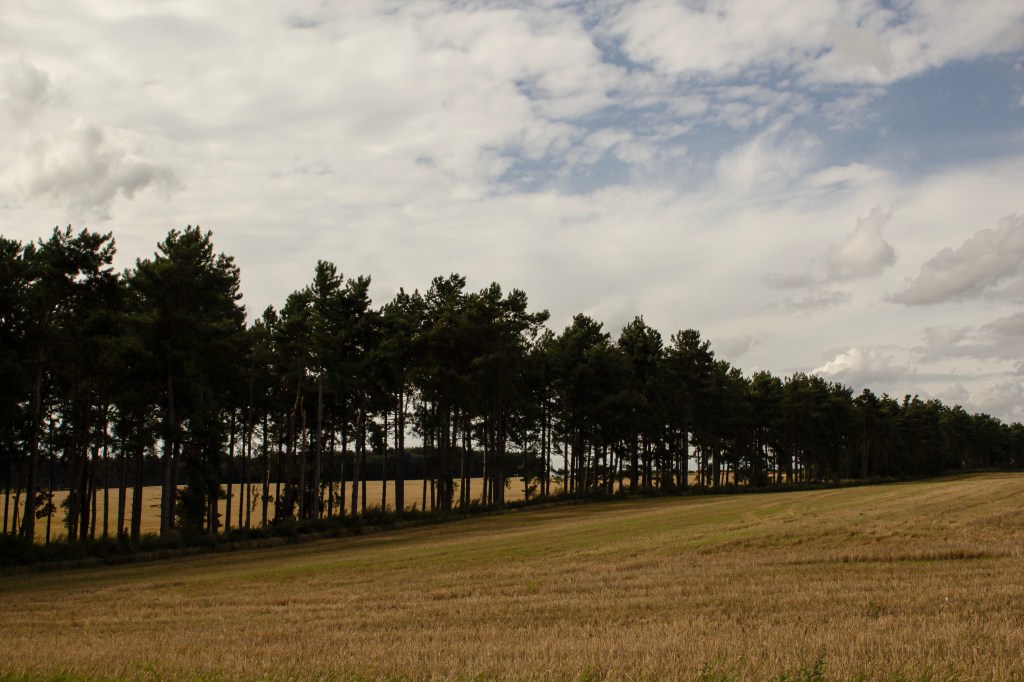
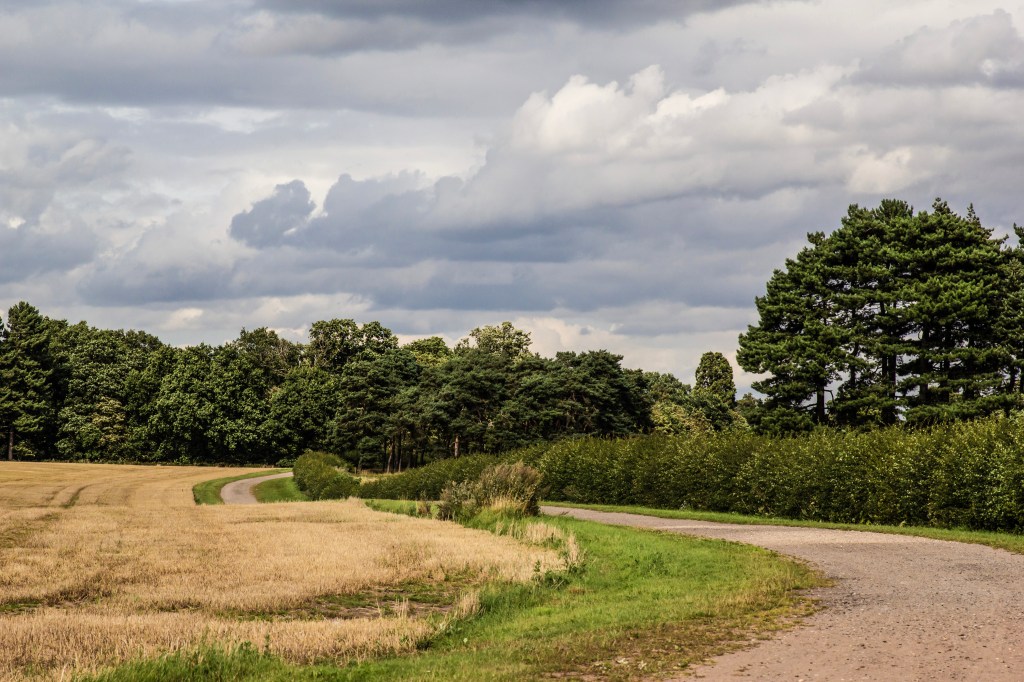
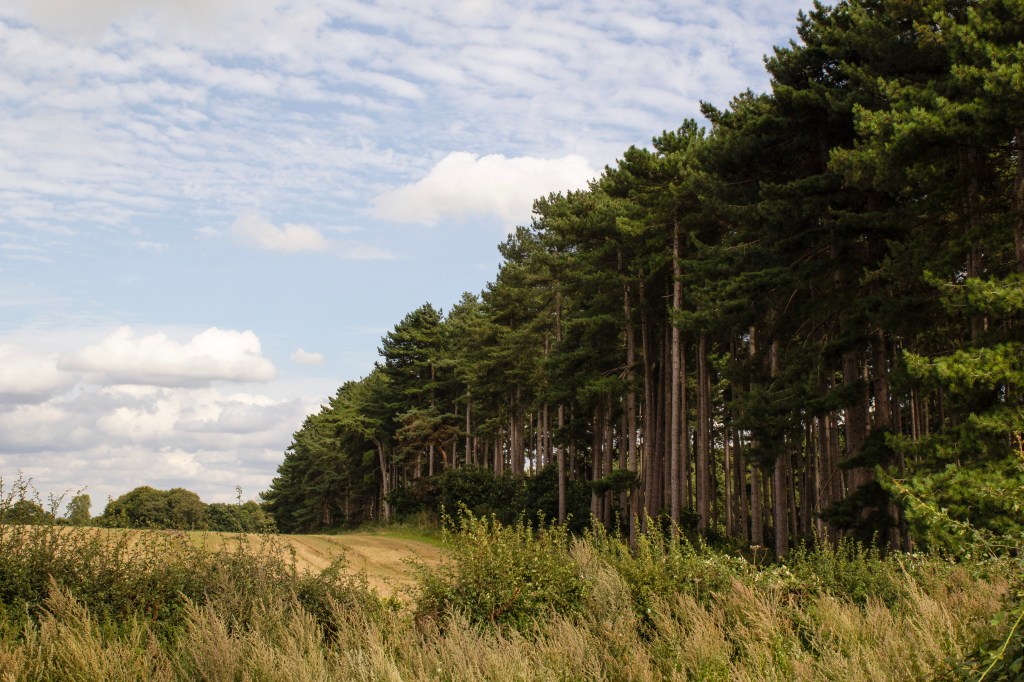

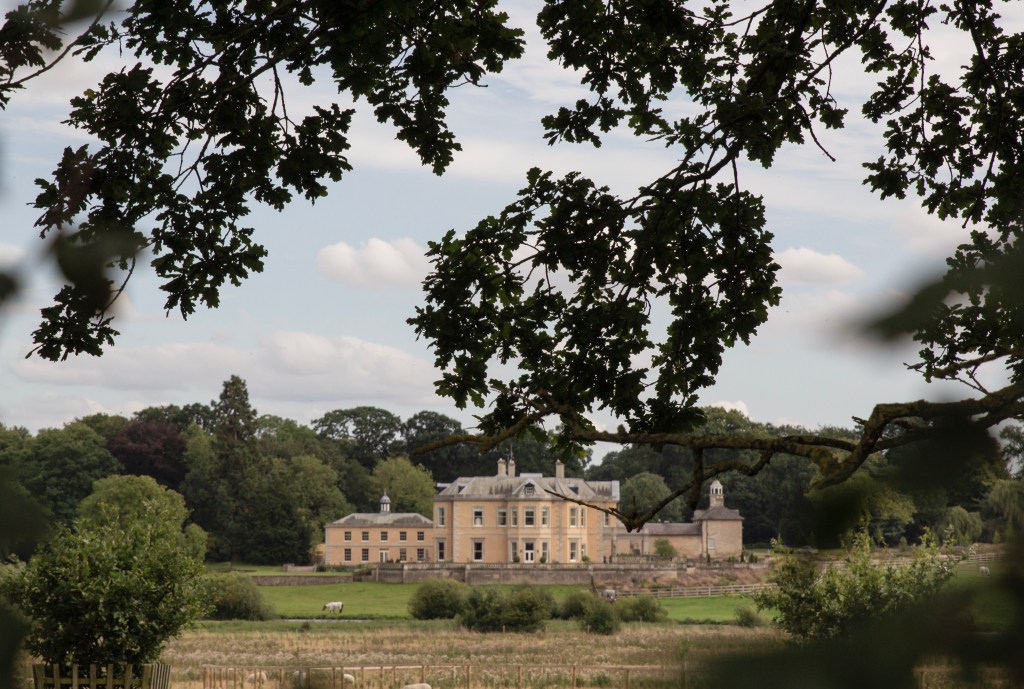
The path gave us fine views across the Nottinghamshire countryside, but the views of Osberton Hall remained elusive behind the high hedges. I got this shot by holding my camera with one hand and holding back the hawthorn with the other.
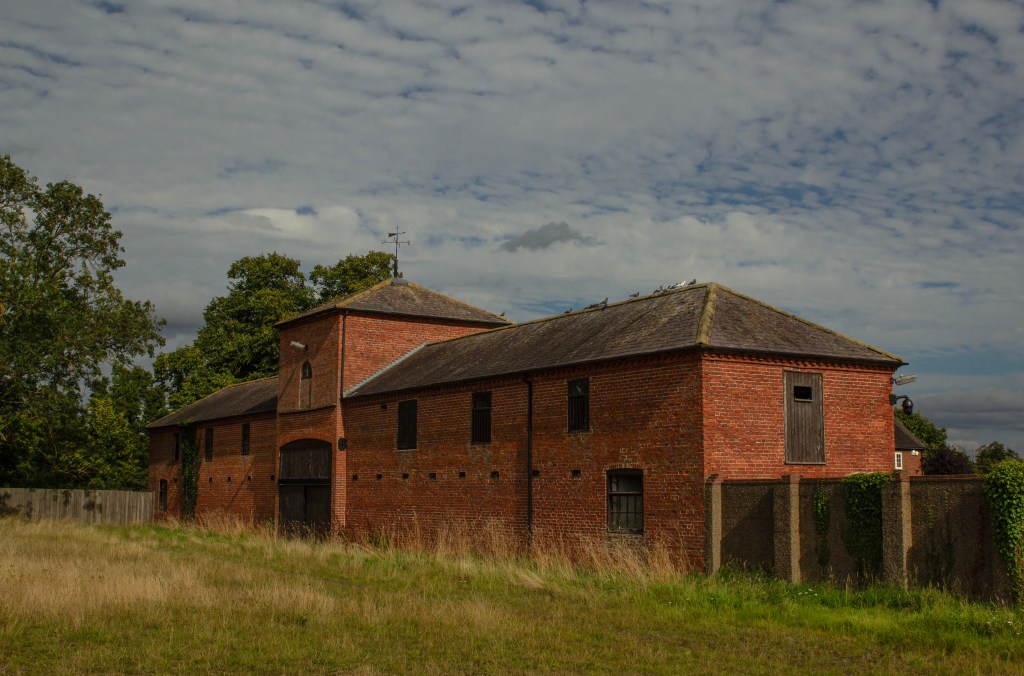
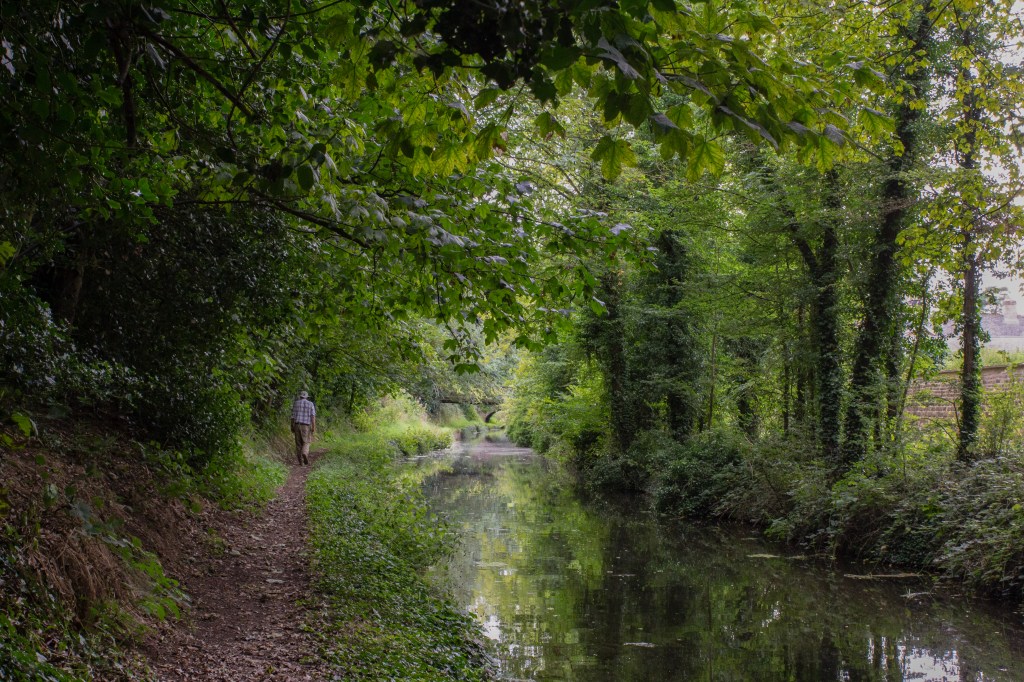
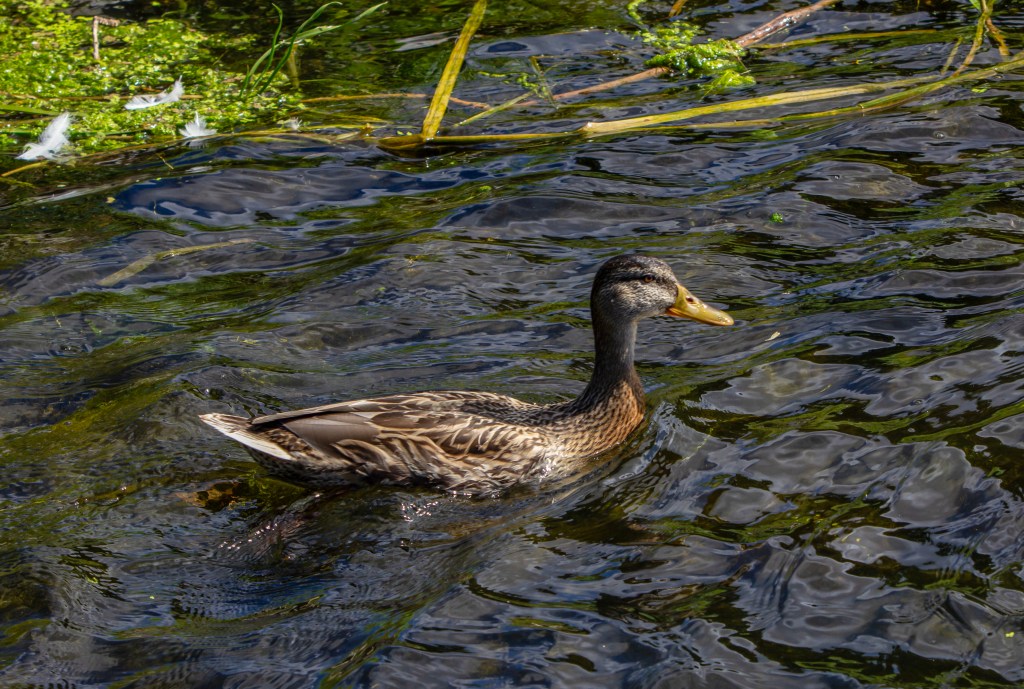
On the way back, I found some blackberries. Peeling and coring the apples I’d picked was quite labour-intensive, but we had apple and blackberry crumble for pudding.
Tuesday 22nd August 2023
Osberton to Worksop
The C&R T confirmed that we could go through Worksop on Wednesday and come back on Friday, so after going out to pick some more blackberries, we moved the couple of miles to Kilton Lock, about a mile from Worksop town centre.

Ian was intrigued by this use of old sleepers to stabilise Manton Viaduct.
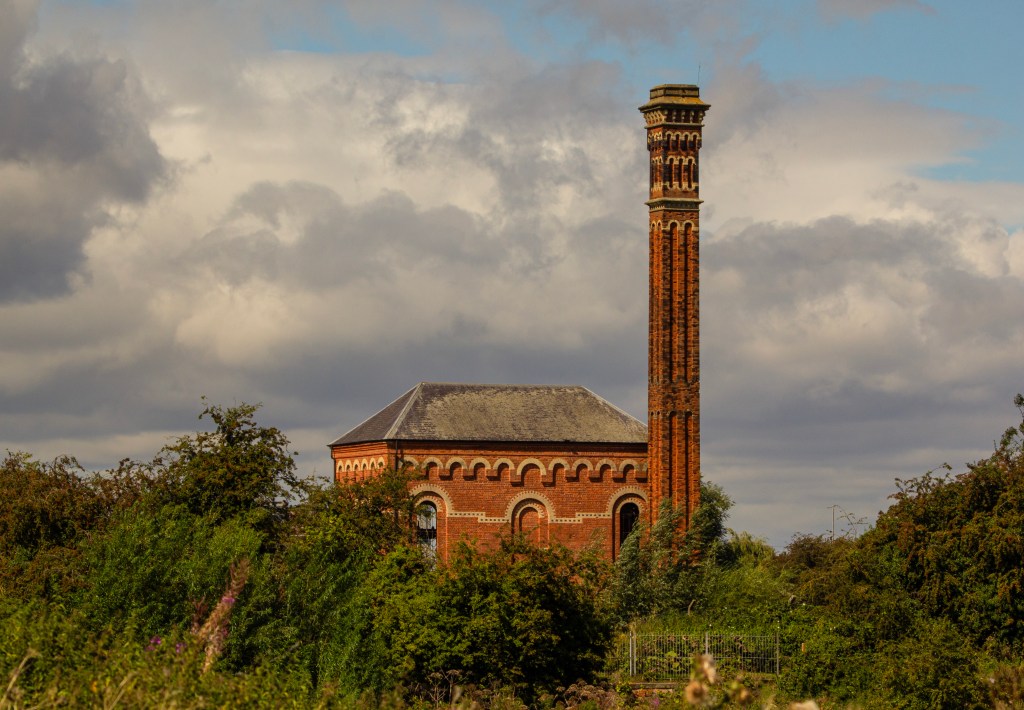
After lunch we walked along the tow path to see the sights of Worksop. There weren’t any immediately obvious ones, apart from the splendid Bracebridge Pumping Station, which for many years had pumped sewage to the fields of Rayton Farm and the Osberton Estate, before being superseded by a modern plant in the 1970s.
Since then it has been disused, but has now been bought and it is hoped, to be re-purposed.
We’d seen on Google Maps that there was an establishment called the Butty Barn Cafe, which had 4.5 stars. Ian fancied going there before we did the shopping, to satisfy his mid -afternoon craving for cake.
But when we got there, a woman was propping up the doorway in a not very inviting way, and confirmed that they were indeed closed for the day. Note to self: when consulting Google Maps, check opening times in future.
So we had to have tea in Morrisons, one of the biggest supermarkets I’ve ever been in, which served to remind me why I prefer online grocery shopping.
When we got back to the boat, a large gang of young people were gathered at the lock, shouting obscenities at one another, but they took little notice of us.
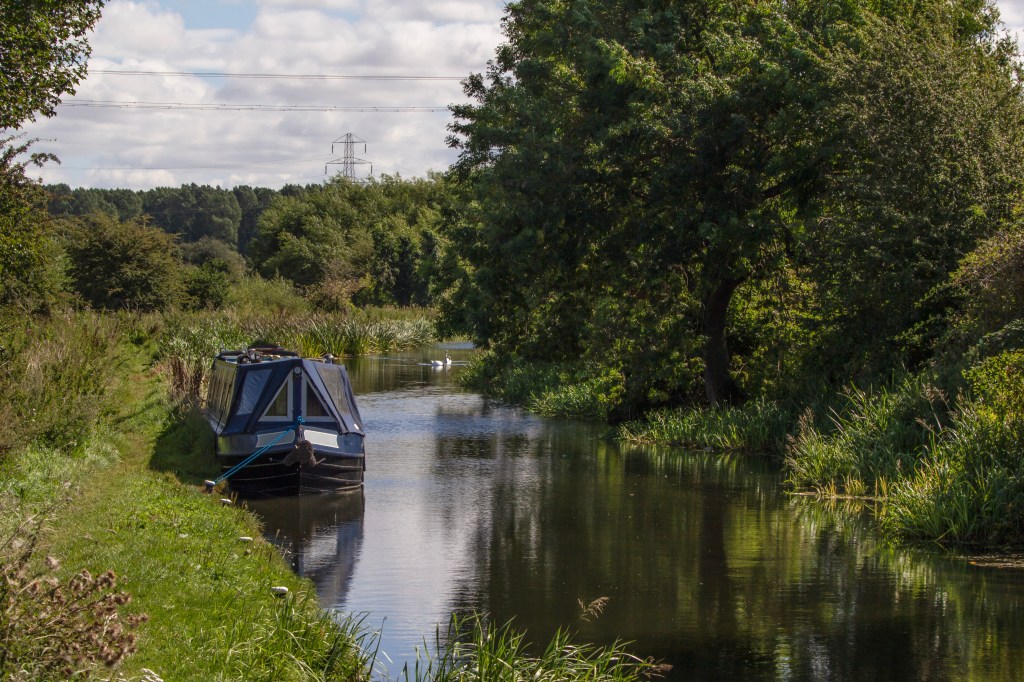

Wednesday August 23 2023
Worksop to Shireoaks
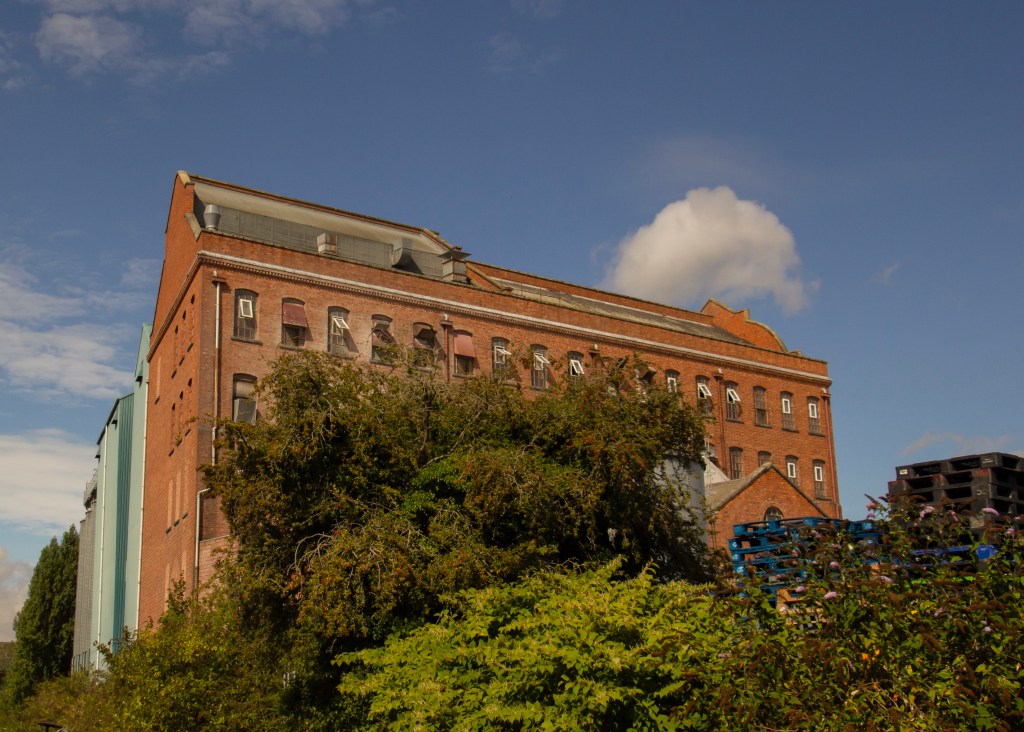
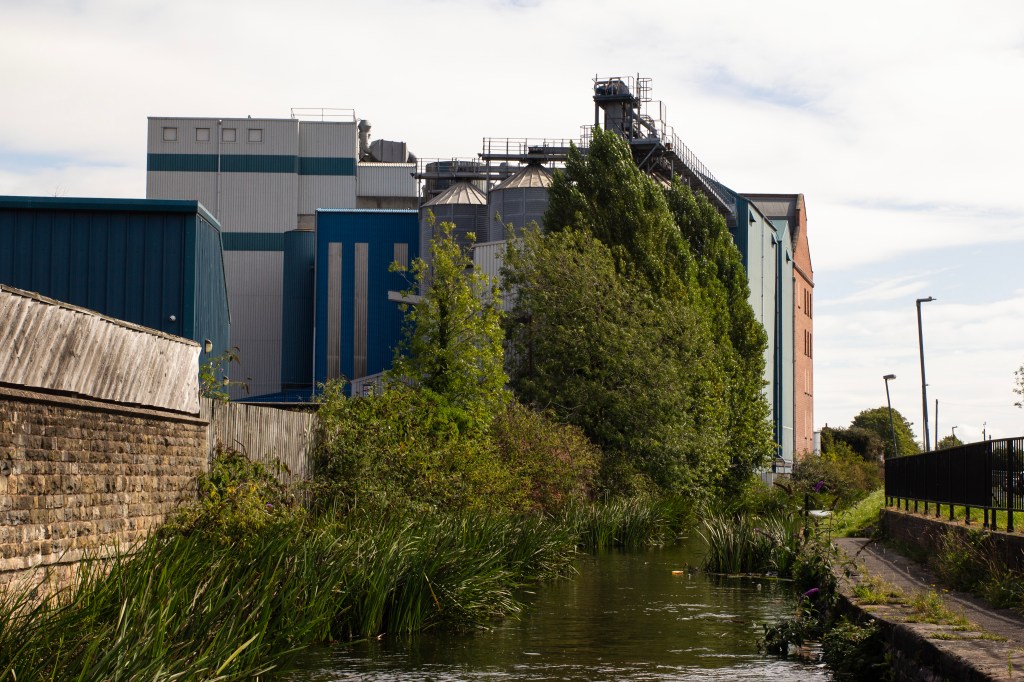
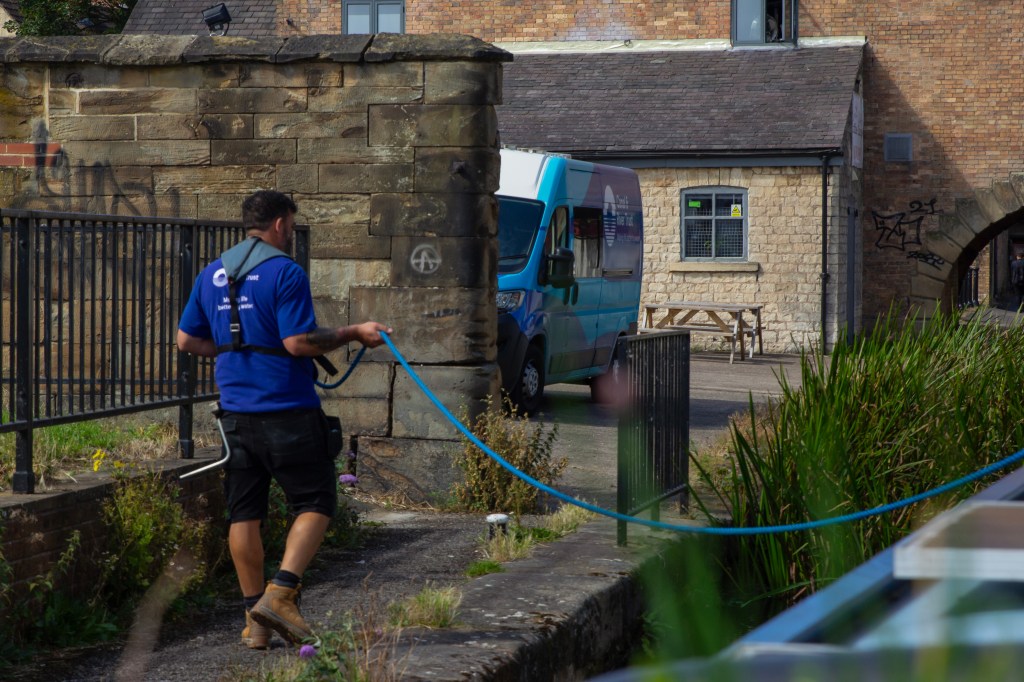
We passed by Whitworth’s Flour Mill on the way into Worksop, where we would meet the C&R Trust man who would pull us past the blockage between Locks 51 and 50.
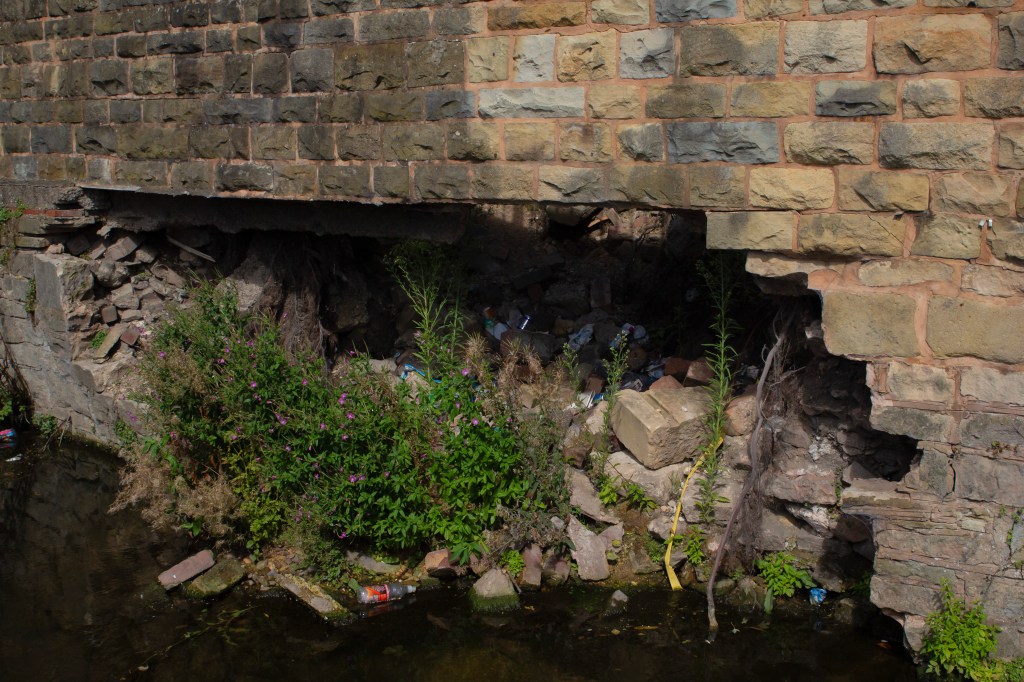
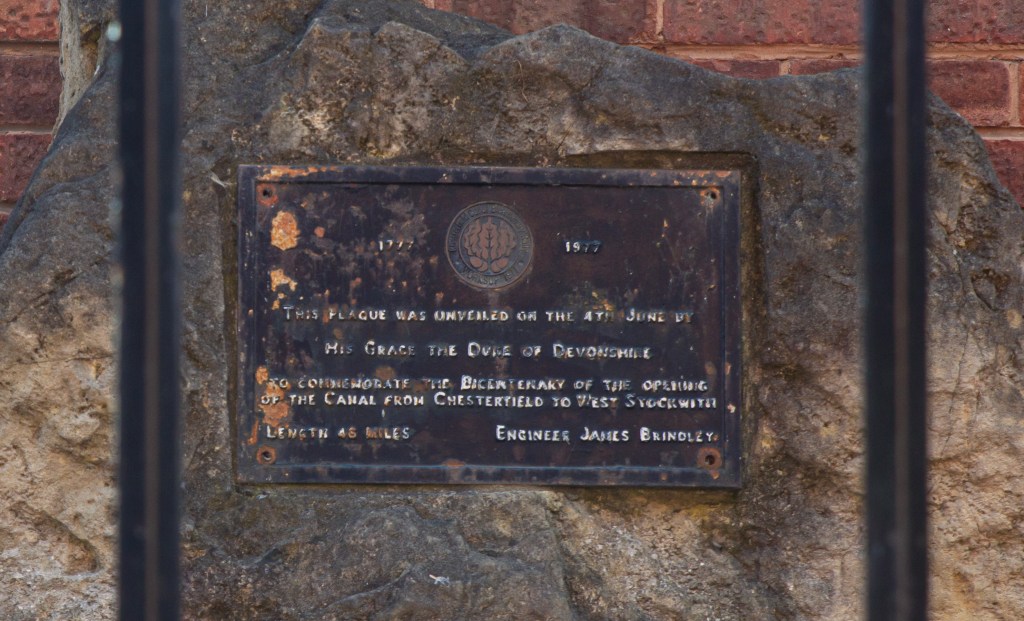
On a wall by lock 50 there is a plaque unveiled by the Duke of Devonshire in 1977 to commemorate 200 years since the canal was opened. Sadly, the Canal & River Trust seem to have neither the inclination nor the money to keep the plaque in good condition in recognition of James Brindley’s engineering marvel.
Stret Lock, just outside Worksop, was so narrow that Derwent Lass managed to get stuck again going into it. There was one last small fender which Ian took off. We tried pulling backwards, and pushing forwards. Nothing happened.
I tentatively suggested opening the top paddles to allow water to flow into the lock and create a surge that might just dislodge her. Ian was sceptical but said we could give it a try.
Success! After some moments, there was movement and Ian was able to reverse the boat and have another go.
This brought forth unusual praise. ‘Good thinking, Batman.’
There were a few more locks before we got to Shireoaks where we stopped for the night in the C & R Trust marina. As well as the usual facilities, there was a small vegetable garden with an honesty box so you could pay for anything you wanted. So we got some cauliflower, kale, tomatoes, and what I thought were courgettes but actually turned out to be cucumbers.
Thursday August 24th 2023
Shireoaks to Worksop
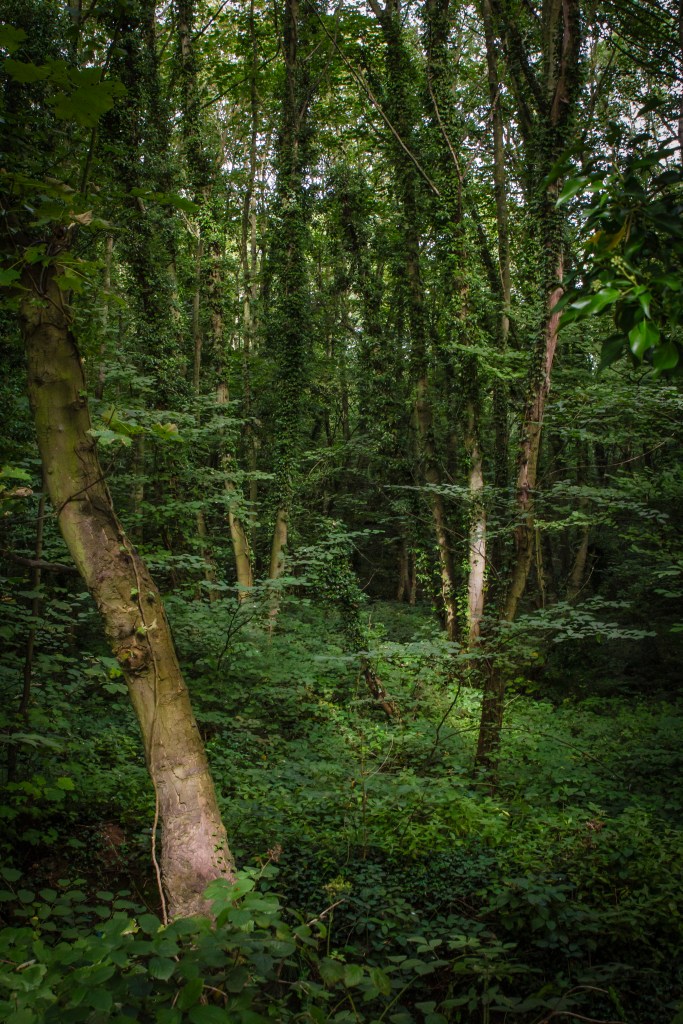
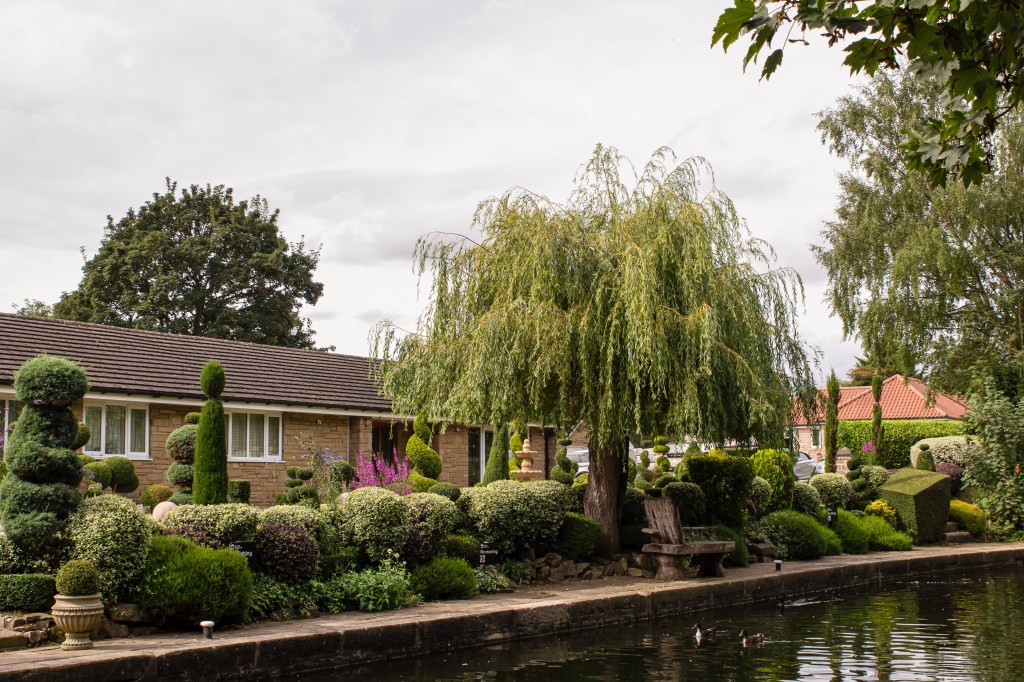
We spent the morning exploring Shireoaks and the upper reaches of the canal towards Kiveton, before turning round for the return journey, and stopping at the moorings at Deep Lock, just outside Worksop.
The church, which sadly wasn’t open, and miners’ cottages were built by the Duke of Newcastle when the pit at Shireoaks was sunk.




Friday August 25th
Worksop to Ranby

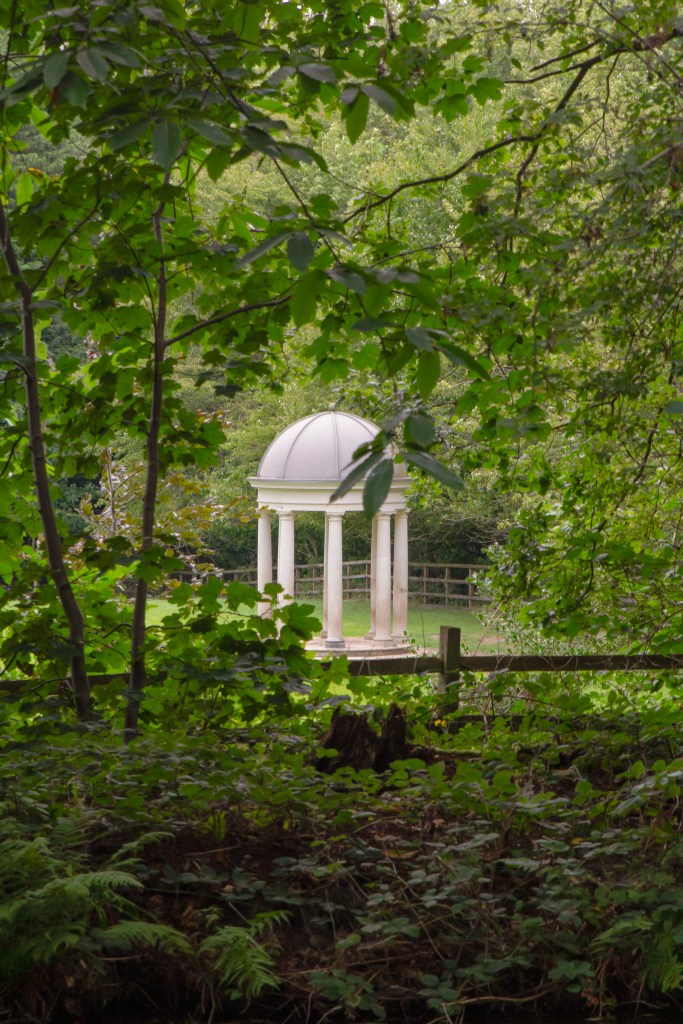
Saturday August 26
Ranby to Retford
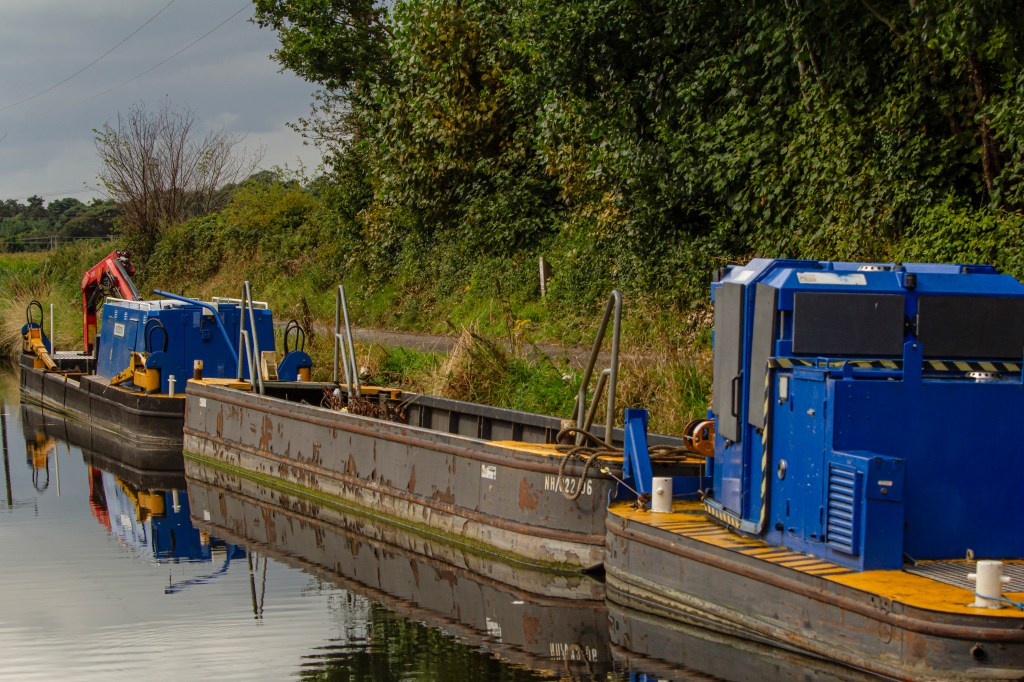
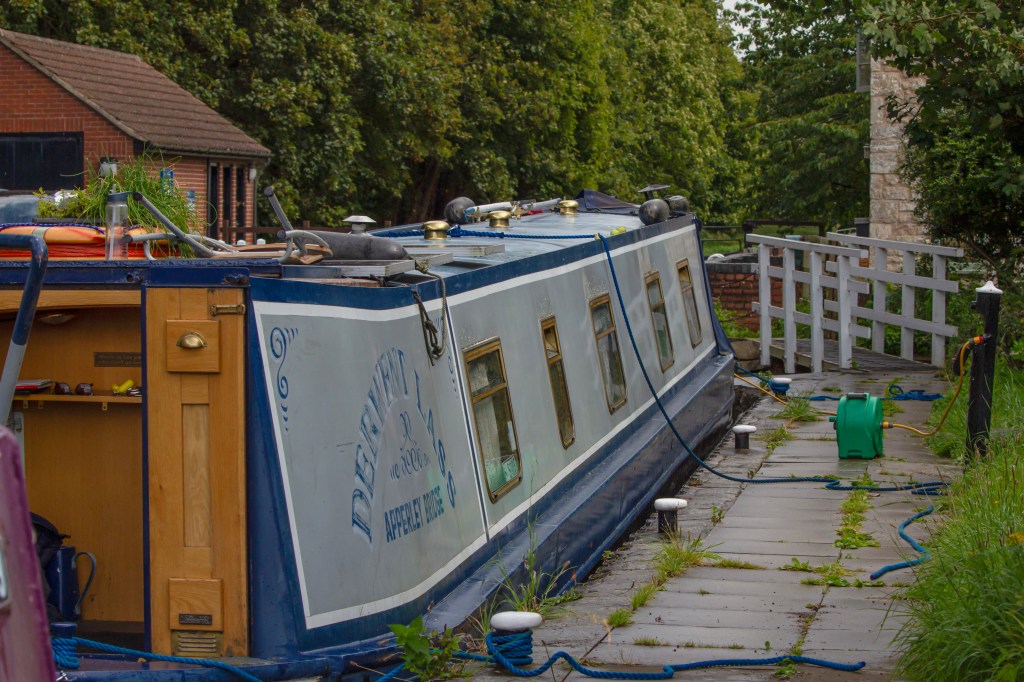

Sunday August 27th
Retford to Clarborough
We had booked to leave the boat for 3 weeks at Clayworth, and had plenty of time to get there, so spent the morning looking round Retford.
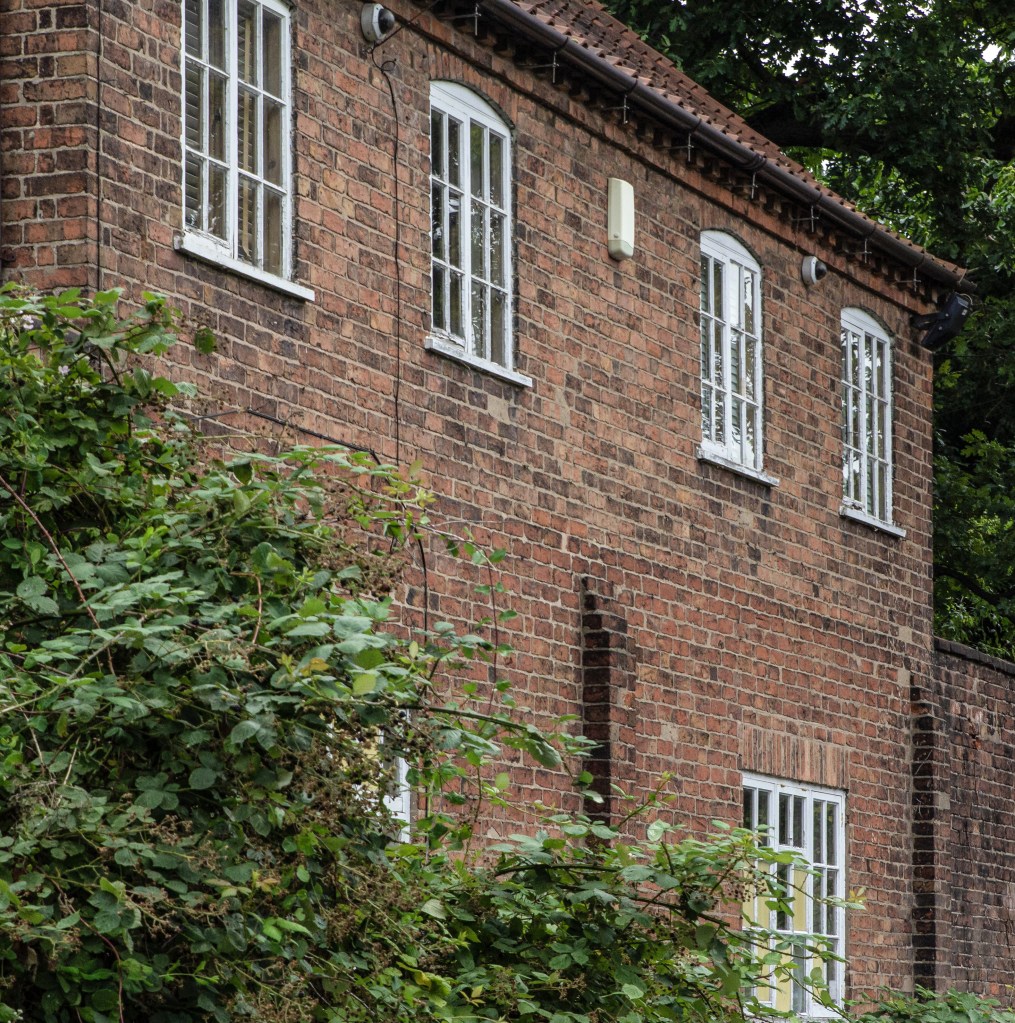

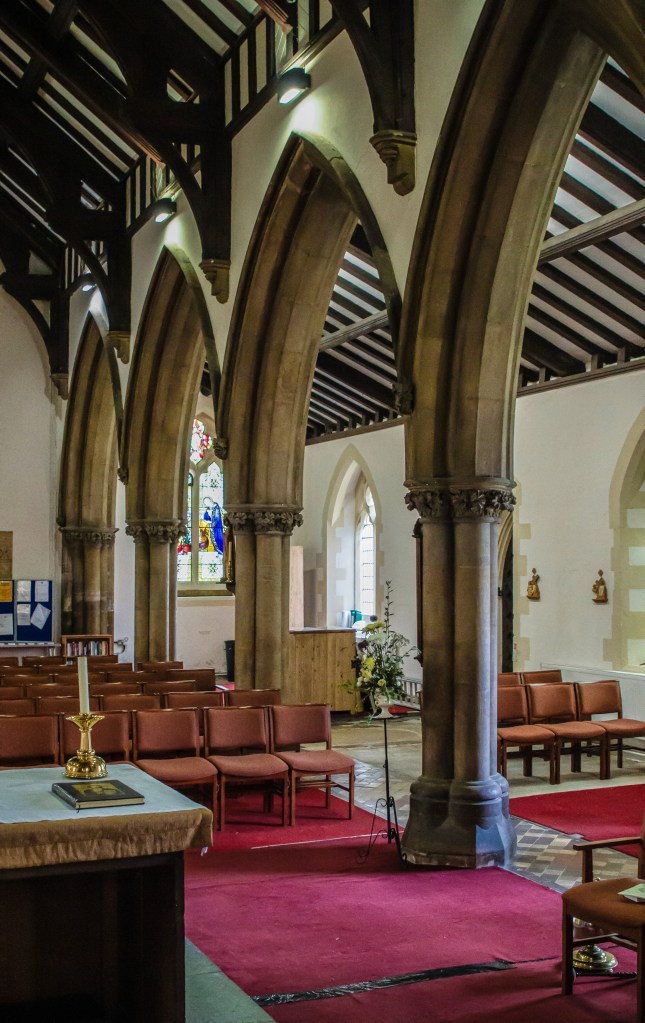
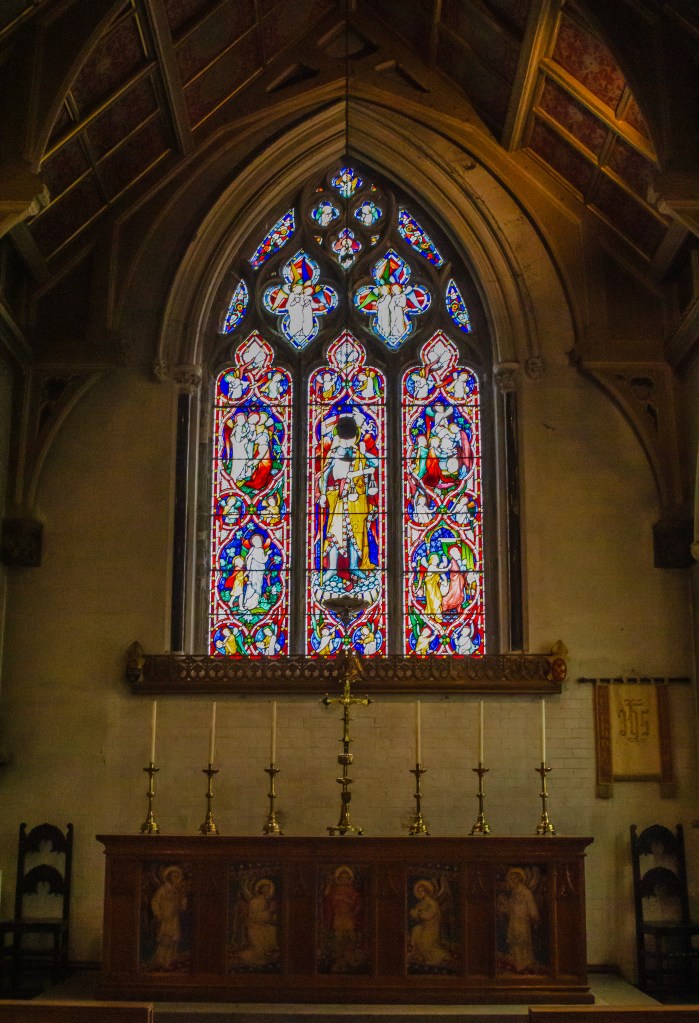
We walked through King’s Park to the Church of St Michael the Archangel, which dates back to the 13C and was described by Pugin as ‘a poem in stone’. It had just closed as we arrived, but a woman who seemed to be in charge very kindly opened it for us.

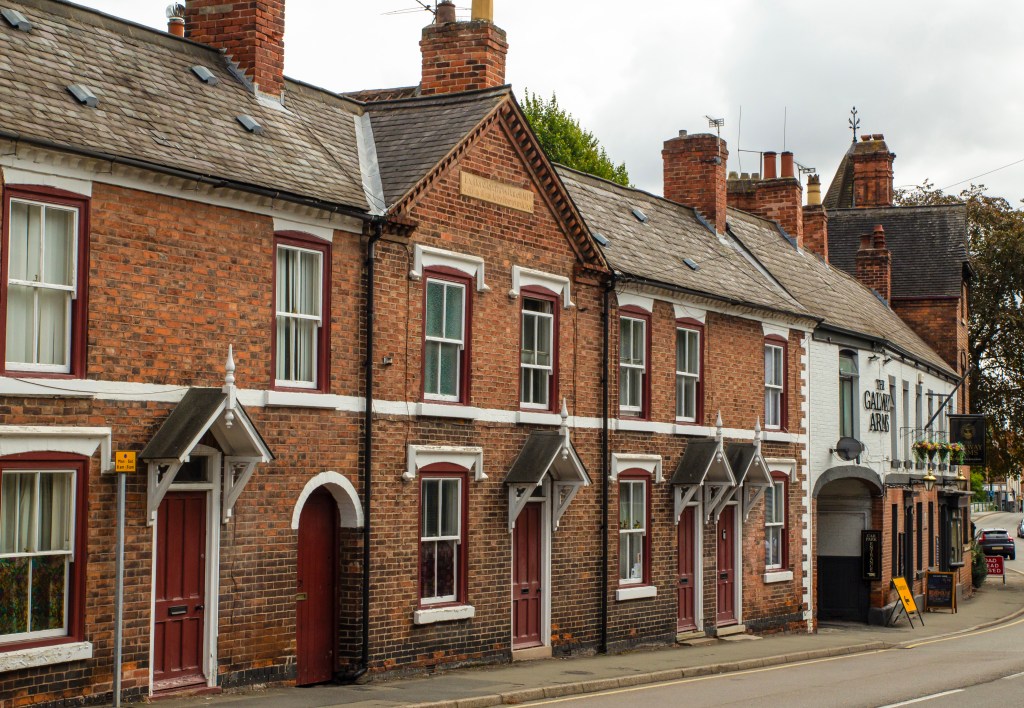
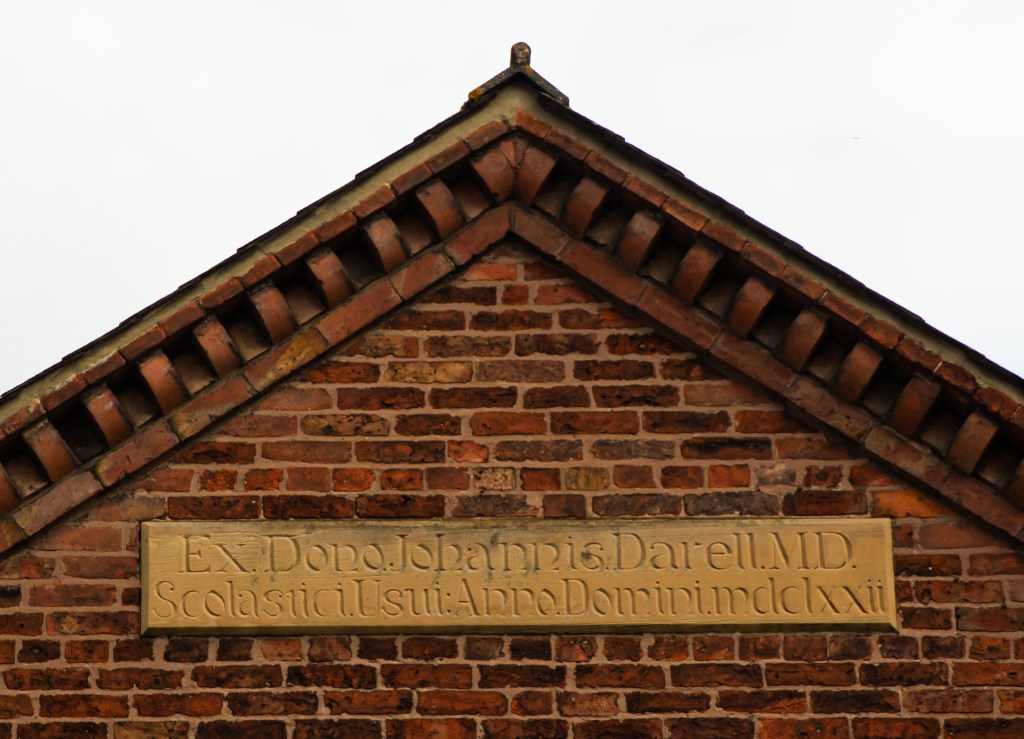
This terrace was built by the Trinity Hospitals Estates Trust, a charity founded in 1671 by Dr John Darrel. He became seriously ill, but miraculously recovered and decided to bequeath his property, Retford Hall, to provide accommodation for 15 “poor bachelors or widowers of good character, who are not less than 50 years of age”. More information about the Trust here: https://www.facilitatemagazine.com/features/feature-articles/2016/03/21/call-alms
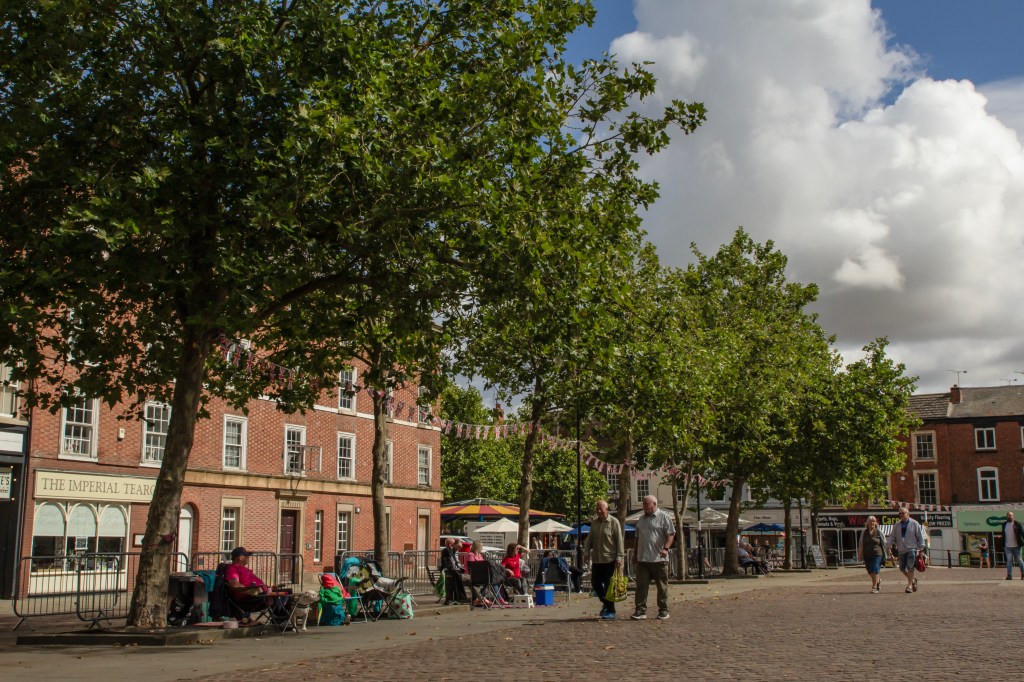
The town was quite charming, with an almost Mediterranean feel, with tree-lined streets and outdoor cafés. We sat in the sun and enjoyed coffee at Rondo in the Market Square, but the sun didn’t last long and we got slightly wet walking back along the towpath in the rain.
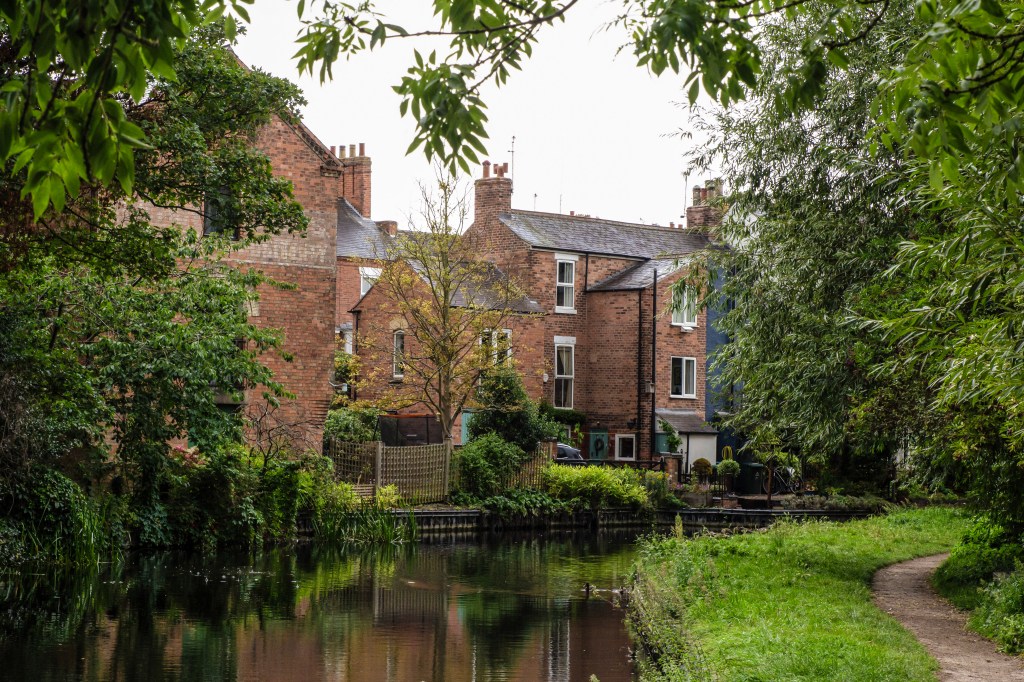
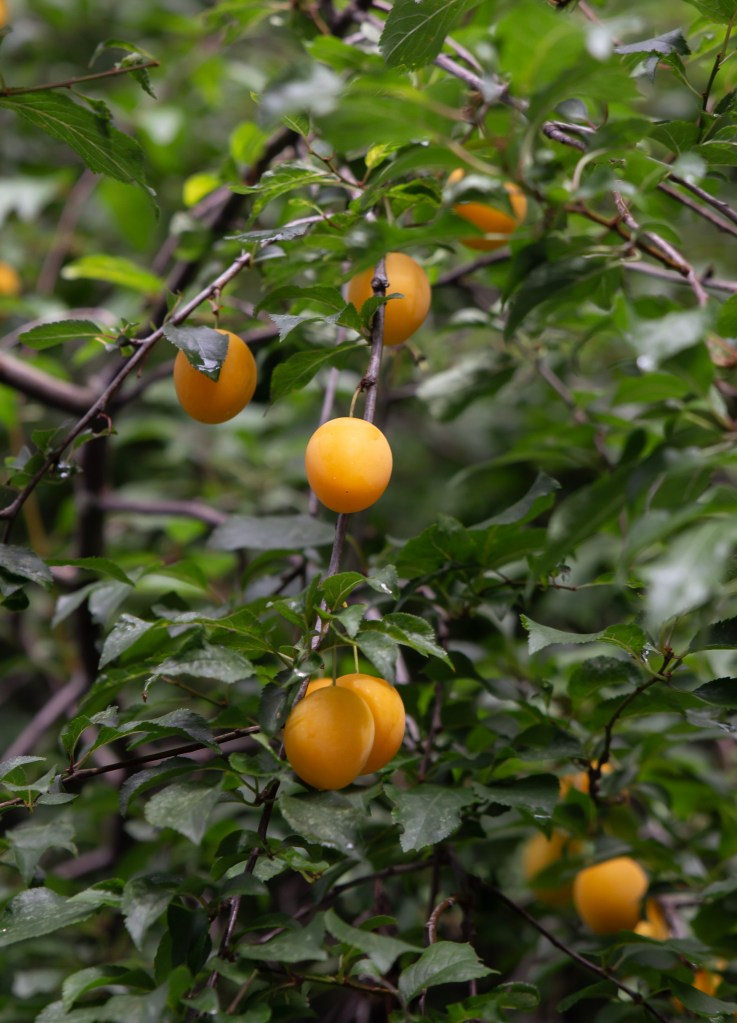
It had stopped raining by about 3 o’clock so we headed off towards the moorings at Clarborough. Ian spotted a plum-laden tree overhanging the canal and was able to stop the boat close enough to it to gather a small boxful.

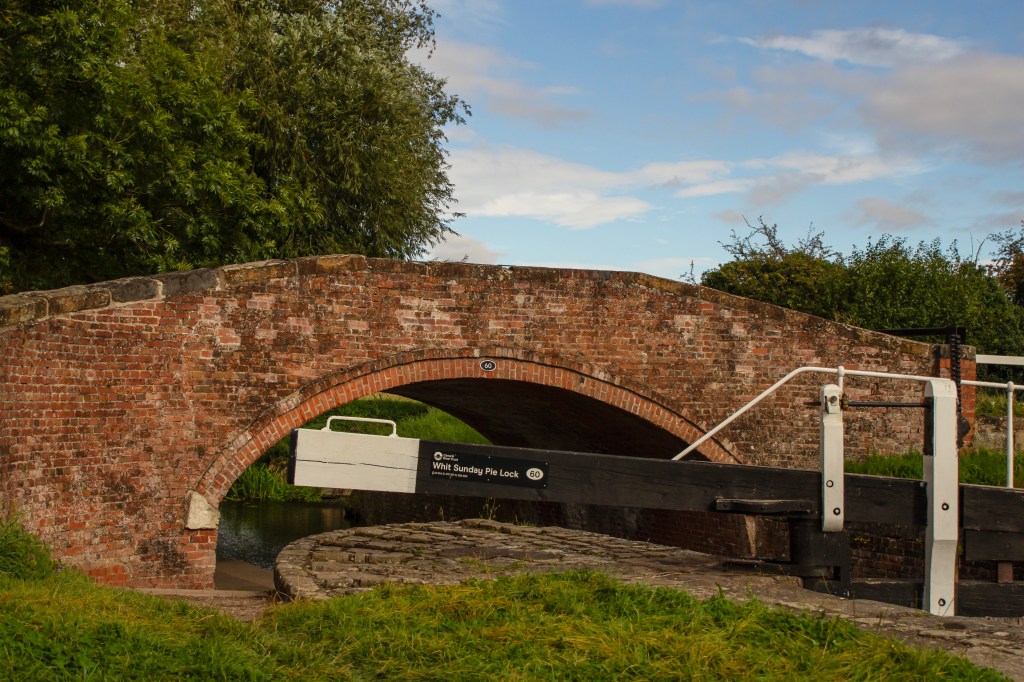
Later on, we went through the oddly named Whitsunday Pie Bridge. The Nicholson’s Guide, unusually, has nothing to say about this gem of a place-name, but it seems that when the canal was being built, a woman in a nearby cottage felt sorry for the men who had to work on Whit Sunday and baked them a pie. This is now apparently a tradition in the Retford and Worksop Boat Club.
Monday August 28th 2023
Clarborough to Clayworth
We had arranged to leave Derwent Lass at Retford & Worksop Boat Club while we went home for 3 weeks.
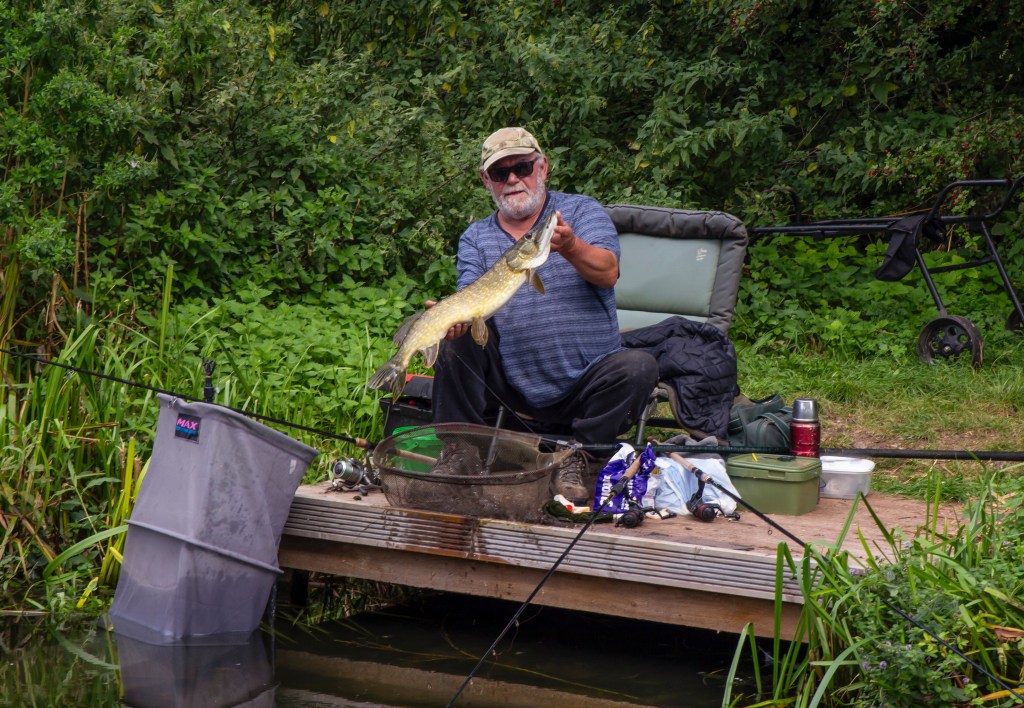
Opposite our mooring was an angler who had just land a large pike, and he obligingly let me take his photo. He shared the interesting information that after being released from the keep net and put back in the water, the fish go and sulk in the shallows by the canal bank for a while before resuming their usual activities.
In the evening, there was lots of piscine activity. They leaped out of the water and splashed around in the fading light.
 Narrowboating in Yorkshire